
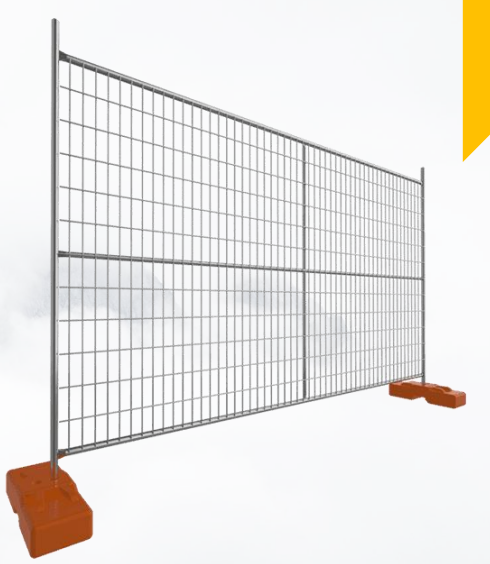
The Strategic Benefits of Employing Temporary Fencing Solutions
1. Enhanced Security:
One of the foremost advantages of opting for temporary fencing is the immediate and enhanced security it provides. Whether securing a construction site, managing crowds at events, or cordoning off restricted areas, temporary fencing acts as a robust deterrent against unauthorized access. Typically constructed from durable materials such as galvanized steel, these fences create a formidable barrier, safeguarding valuable assets, equipment, and ensuring a controlled environment.
2. Flexibility and Adaptability:
Temporary fencing stands out for its inherent flexibility and adaptability. The modular design of these fences allows for quick and easy installation, ensuring they can be customized to suit specific project requirements. This adaptability is particularly beneficial in dynamic environments, such as construction sites where layouts may change or events that demand varying configurations. The ability to modify the fencing layout efficiently ensures that it can seamlessly align with evolving project needs without compromising on security.
3. Rapid Deployment and Removal:
Time is often a critical factor in many projects and events. Temporary fencing distinguishes itself by its rapid deployment and removal capabilities. Unlike permanent fencing structures that demand substantial time and resources for installation and dismantling, temporary fencing can be swiftly put in place and removed as needed. This feature is invaluable in emergency response situations, short-term construction projects, and events with tight timelines, minimizing disruptions and allowing for agile responsiveness.
4. Cost-Effectiveness:
From a financial standpoint, temporary fencing offers a cost-effective solution compared to permanent fencing structures. The lower upfront costs associated with temporary fencing, combined with the ability to reuse components for multiple projects, contribute to overall cost savings. Additionally, the reduced labor requirements for installation and removal further enhance its cost-effectiveness. This makes temporary fencing an attractive option for businesses and organizations seeking to optimize their budgets without compromising on the essential element of security.
5. Compliance and Safety Assurance:
Temporary fencing plays a pivotal role in ensuring regulatory compliance and maintaining safety standards. Construction sites often operate under strict regulations regarding site boundaries and safety measures. Temporary fencing provides a visible and effective means of meeting these requirements, preventing accidents and potential legal issues. In the realm of events, it aids in crowd control, guiding attendee flow, controlling access points, and enhancing overall safety measures.
6. Customization for Diverse Needs:
The versatility of temporary fencing is a significant advantage, offering a range of options to cater to diverse needs. Available in various heights, styles, and configurations, temporary fencing can be tailored to suit specific project or event requirements. Whether it's managing crowd flow at a concert, securing a construction site, or creating designated areas for outdoor events, temporary fencing proves to be a versatile solution adaptable to a wide range of applications.
7. Temporary Access Points and Controlled Entry:
Temporary fencing solutions can be equipped with gates and controlled access points, enhancing their functionality for specific project requirements. This is particularly beneficial for construction sites where controlled entry for workers, deliveries, and equipment is essential. The inclusion of gates ensures that authorized personnel can move in and out efficiently, maintaining the security of the site while facilitating necessary operations.
8. Environmental Considerations:
Temporary fencing, in many cases, is designed with environmental considerations in mind. Manufacturers often use recyclable materials, minimizing the environmental impact associated with their production. Additionally, the temporary nature of these structures allows for efficient dismantling and recycling at the end of their lifespan, contributing to sustainable practices in the construction and event management industries.
9. Ease of Transportation and Storage:
Temporary fencing components are typically designed for ease of transportation and storage. The lightweight nature of the materials used, combined with the modular design, makes it convenient to transport fencing materials to different sites. Furthermore, when not in use, temporary fencing can be disassembled and stored compactly, saving space and facilitating efficient organization of resources.
Conclusion:
The advantages of employing temporary fencing are both diverse and compelling, making it a preferred choice for a wide array of applications. Enhanced security, flexibility, rapid deployment, cost-effectiveness, compliance with regulations, customization options, controlled access points, and environmental considerations collectively position temporary fencing as a strategic asset for construction projects, events, and various temporary needs. While it's essential to acknowledge the specific requirements of each project and weigh potential challenges, the numerous benefits offered by temporary fencing make it a versatile and invaluable solution in today's dynamic and ever-changing environments.
A Comprehensive Guide to Installing Anti-Climb Fencing for Enhanced Security
Installation and Usage Guide for Temporary Fencing
Related Article