
Methods of Manufacturing Wire Mesh Panels
Wire mesh panels are versatile components used in a wide array of applications, from fencing to industrial filtration. The manufacturing process involves several techniques that determine the characteristics and quality of the final product. In this article, we'll explore the various methods used to produce wire mesh panels.
1. Welded Wire Mesh Panels:
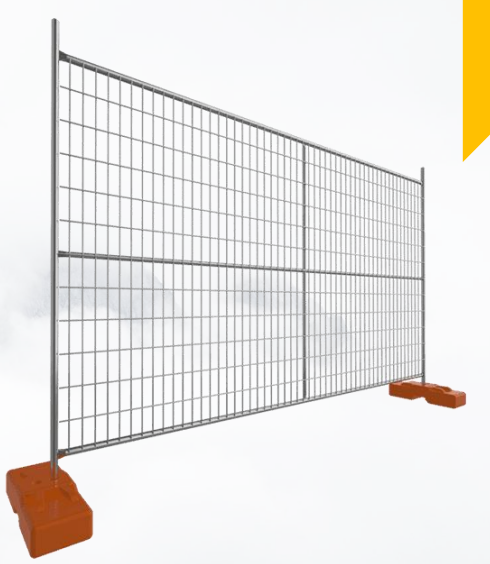
Welded wire mesh panels are created by welding intersecting wires together at their points of contact. The process begins with the selection of high-quality wire rods, typically made of stainless steel, galvanized steel, or PVC-coated steel. These wire rods are then fed into a welding machine, where they are welded together to form a grid pattern.
The welding process can be performed using different techniques, including spot welding, resistance welding, or electric arc welding, depending on the type of wire and the desired specifications of the mesh panel. Once welded, the panels may undergo additional processes such as galvanization or powder coating to enhance their corrosion resistance and appearance.
2. Expanded Metal Mesh Panels:
Expanded metal mesh panels are manufactured by cutting and stretching a sheet of metal to create a pattern of diamond-shaped openings. The process begins with the selection of a flat metal sheet, typically made of steel, aluminum, or stainless steel. This sheet is then fed into an expanding machine, where multiple blades simultaneously cut and stretch the metal in a controlled manner.
As the metal is stretched, it forms a mesh-like pattern with diamond-shaped openings of various sizes and dimensions. The degree of expansion determines the thickness of the strands and the size of the openings in the final product. After expansion, the panels may undergo additional processes such as flattening or surface treatment to achieve the desired specifications.
3. Woven Wire Mesh Panels:
Woven wire mesh panels are created by weaving individual wires together in a variety of patterns, including plain weave, twill weave, and Dutch weave. The process begins with the selection of high-quality wire materials, such as stainless steel, brass, or copper, in various diameters and gauges.
The wires are then fed into a weaving loom, where they are interlaced with each other to form a mesh pattern. The weaving process can be performed manually or using automated machinery, depending on the complexity of the design and the desired precision of the weave.
Once woven, the panels may undergo additional processes such as heat treatment or surface coating to improve their durability, corrosion resistance, and appearance.
4. Perforated Metal Panels:
Perforated metal panels are manufactured by punching or stamping a sheet of metal to create a pattern of holes or perforations. The process begins with the selection of a flat metal sheet, typically made of steel, aluminum, or stainless steel.
The sheet is then placed on a perforating machine, where a series of punches or dies are used to cut out the desired pattern of holes. The size, shape, and spacing of the perforations can be customized according to specific requirements.
Once perforated, the panels may undergo additional processes such as deburring or surface treatment to remove sharp edges and improve their aesthetics and functionality.
Conclusion:
The manufacturing methods employed for wire mesh panels vary depending on the desired specifications, materials, and applications. Whether it's welding, expanding, weaving, or perforating, each technique has its advantages and limitations in terms of cost, efficiency, and quality. By understanding the different methods of manufacturing wire mesh panels, stakeholders can make informed decisions to meet their specific requirements and achieve optimal results in their projects.
Installation Guidelines for Various Types of Wire Mesh Panels
Exploring the Diverse Applications of Wire Mesh Panels
Related Article