
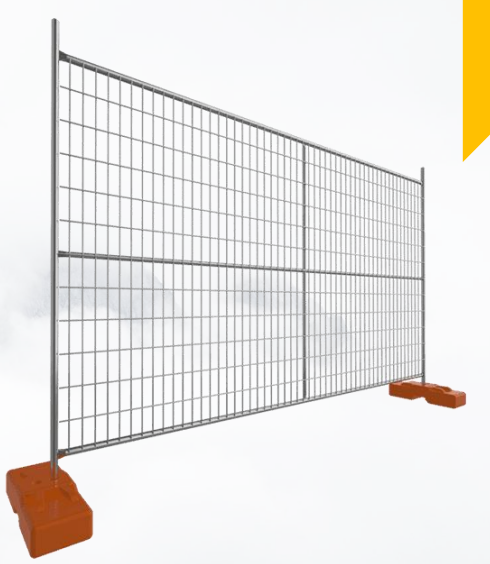
Installation Guidelines for Various Types of Wire Mesh Panels
Wire mesh panels are versatile and widely used in numerous applications, from fencing to industrial filtration. Proper installation is crucial to ensure their effectiveness, durability, and safety. In this guide, we'll outline the essential considerations and guidelines for installing different types of wire mesh panels.
1. Preparation:
Before installing wire mesh panels, it's important to assess the site and make necessary preparations:
- Measure the area accurately to determine the required quantity of panels.
- Clear the installation site of any debris, obstructions, or vegetation.
- Ensure proper alignment and layout of panels according to the desired configuration and dimensions.
- Prepare necessary tools and equipment, including drills, screws, fasteners, and safety gear.
2. Welded Wire Mesh Panels:
Installation of welded wire mesh panels involves the following steps:
- Position the panels in the desired location and ensure proper alignment and spacing between panels.
- Secure the panels to supporting structures such as posts, poles, or frames using appropriate fasteners.
- Use a level to ensure that the panels are installed horizontally and evenly.
- Weld or bolt adjacent panels together at their intersections for added stability and strength.
- Inspect the installation for any gaps, defects, or loose connections, and make adjustments as needed.
3. Expanded Metal Mesh Panels:
Installing expanded metal mesh panels requires careful handling and precision:
- Position the panels in the designated area, ensuring proper orientation and alignment.
- Secure the panels to supporting structures using suitable fasteners such as screws, bolts, or clips.
- Use spacers or shims to maintain consistent spacing between panels and prevent buckling or distortion.
- Trim or cut panels as necessary to fit irregular or non-standard shapes.
- Inspect the installation for any sharp edges, protrusions, or irregularities, and address them to ensure safety and functionality.
4. Woven Wire Mesh Panels:
Installation of woven wire mesh panels involves similar steps to other types of wire mesh:
- Align the panels according to the desired configuration and dimensions, ensuring proper orientation.
- Attach the panels to supporting structures using appropriate fasteners or mounting hardware.
- Stretch the panels taut to minimize sagging or slackness, especially in applications requiring tension.
- Secure overlapping edges or seams with wire ties, clamps, or binding materials to prevent unraveling or separation.
- Inspect the installation for any defects, gaps, or loose connections, and rectify them promptly.
5. Perforated Metal Panels:
Installing perforated metal panels requires attention to detail and precision:
- Position the panels in the designated area, ensuring proper alignment and spacing.
- Secure the panels to supporting structures using screws, bolts, or clips, ensuring sufficient fastening points for stability.
- Use rubber or plastic washers to prevent metal-to-metal contact and minimize corrosion.
- Seal joints or seams with appropriate sealants or adhesives to prevent water infiltration or debris accumulation.
- Inspect the installation for any misalignment, distortion, or damage, and address any issues before completion.
Conclusion:
Proper installation of wire mesh panels is essential to ensure their effectiveness, durability, and safety in various applications. By following these guidelines and considerations, stakeholders can achieve successful installations that meet their specific requirements and provide long-lasting performance. Whether it's welded, expanded, woven, or perforated, each type of wire mesh panel requires careful planning, execution, and inspection to ensure optimal results.
Exploring the Characteristics and Applications of Various Wire Mesh Panels
Methods of Manufacturing Wire Mesh Panels
Related Article