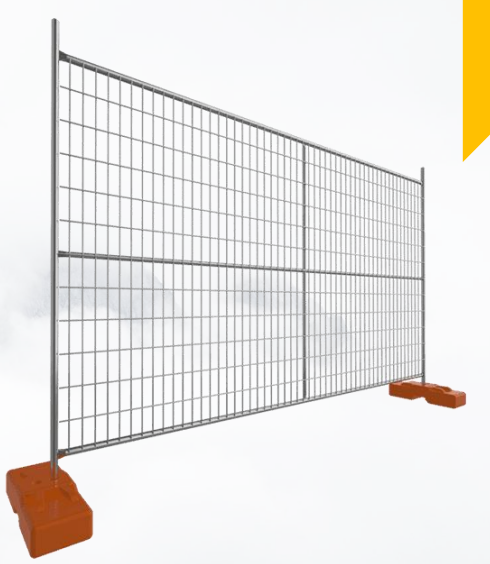
Installation and Usage Guide for Temporary Fencing
I. Before Installation:
-
Assessment of Site: Before installing temporary fencing, conduct a thorough assessment of the site to determine the perimeter dimensions, potential hazards, and any specific requirements for the fence.
-
Permitting: Check local regulations and obtain any necessary permits for installing temporary fencing. Compliance with local laws is essential to ensure a smooth installation process.
II. Temporary Fence Components:
-
Panels: Temporary fence panels are the main components. They are typically made of galvanized steel and come in standard sizes. Ensure you have an adequate number of panels to enclose the desired area.
-
Base and Connectors: Sturdy bases provide stability to the fence panels. Connectors are used to join panels securely. Make sure to have the correct number of bases and connectors for the chosen configuration.
-
Clamps: Use clamps to secure adjacent panels and maintain a stable fence line. Ensure that clamps are tightened sufficiently to prevent panels from shifting.
III. Installation Steps:
-
Layout Planning: Determine the layout of the fence, considering access points and any specific requirements. Mark the locations for corner posts, gate openings, and intervals for panels.
-
Corner and Gate Post Installation: Install corner and gate posts at designated locations. Ensure they are firmly anchored into the ground for stability. Use a level to ensure posts are straight and vertical.
-
Panel Installation: Connect panels to the posts using connectors. Start at one corner and work your way around the perimeter. Ensure panels are level and securely attached to the posts.
-
Stabilization: Place bases at the bottom of each panel to provide stability. Ensure that bases are evenly spaced and firmly in contact with the ground.
-
Securing Panels: Use clamps to secure adjacent panels at the top and bottom. Tighten clamps securely to prevent any movement or gaps between panels.
-
Gate Installation: Install gates at designated openings. Ensure gates are securely attached to gate posts and have proper latching mechanisms for security.
IV. Safety Measures:
-
Visibility: Consider adding brightly colored flags or tape to increase the visibility of the fence, especially in areas with low lighting conditions.
-
Signage: Install warning signs indicating the presence of the temporary fence. Include contact information for the responsible party in case of emergencies.
V. Maintenance:
-
Regular Inspections: Conduct regular inspections to check for any damage or signs of wear. Replace damaged panels, posts, or connectors promptly.
-
Adjustments: Periodically check and adjust the tension of clamps to maintain a secure fence line. Ensure that bases remain in contact with the ground.
-
Gate Maintenance: Lubricate gate hinges and latches regularly to ensure smooth operation. Check for any signs of wear or damage and make necessary repairs.
Conclusion:
Proper installation and maintenance of temporary fencing are crucial for ensuring the safety and security of construction sites, events, and other temporary applications. By following these guidelines, you can create a robust and effective temporary fencing solution.
The Strategic Benefits of Employing Temporary Fencing Solutions
Advantages of Using an Incubator
Related Article