
How to Design a Chicken Farm
author: Laura
2022-08-09
Infrastructure is very important when raising chickens in our yard. To raise healthy, strong chickens and produce quality eggs every day, we need a clean, fully insulated, well-ventilated, well-lit house. We strongly recommend that you design, build, or buy a chicken coop well before you welcome the flock to your backyard. Prices start as low as $80 for a two-hen house, and can exceed $5,000 for a dozen chickens (12). On average, each chicken needs about 6 square feet (0.5 square meters), which is just the size of a chicken coop. Also, you need a field. This way, your chickens are free to roam in search of their natural food (grass, insects, worms, etc.). Finally, it's even better if you also have a fence.
As far as the coop is concerned, the fence will act as a shelter and protect the flock from cold, extreme heat, sunburn and various predators. If you have a large field with rich and varied pastures in a year-round mild climate, then the coop is only for sleeping and laying eggs. If you have chickens that cannot graze freely in the fields, we will need a larger coop to accommodate most of their active time of day. In any case, it is beneficial to have a large fan and at least two heat lamps for every four birds in the house. The reason is that egg production generally slows when temperatures are high or low. With fan and heat lamp regulation, we can help maintain a normal temperature inside the house. Placing a light inside the coop is also quite beneficial. Lights are thought to boost egg production and greatly help the average chicken farmer. However, many experienced farmers still keep collecting hundreds of eggs a day without using any artificial lighting. Many chicken farmers claim that they collect more eggs by systematically keeping the lights on at 5am and off at 8pm. Other farmers also claim that artificial lighting in the coop can quiet the flocks, preventing them from being aggressive and preventing flocks from attacking each other.
We also need to place straw, hay, sand and/or wood chips as bedding within the coop. Litter is necessary for a number of reasons (like protecting the drumsticks from damage), and it will make it easier to clean up manure from the coop. Many farmers also place nesting boxes inside their coops to provide their chickens a safe and protected place to lay eggs.
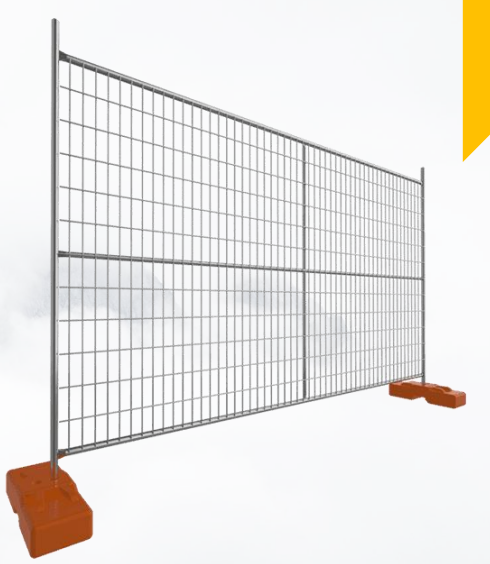
Finally, an important element when raising chickens in the backyard is a fence. Predators may be closer than you think. For example, a neighbor's dog is likely to try to attack the flock. In this case, only reinforced tall wire fences can protect the flock from intrusion. Animals such as foxes, raccoons, wolves, coyotes are also notorious chicken hunters. In addition to standard wired fencing, there are electric fencing designed specifically for poultry predators.
As far as the coop is concerned, the fence will act as a shelter and protect the flock from cold, extreme heat, sunburn and various predators. If you have a large field with rich and varied pastures in a year-round mild climate, then the coop is only for sleeping and laying eggs. If you have chickens that cannot graze freely in the fields, we will need a larger coop to accommodate most of their active time of day. In any case, it is beneficial to have a large fan and at least two heat lamps for every four birds in the house. The reason is that egg production generally slows when temperatures are high or low. With fan and heat lamp regulation, we can help maintain a normal temperature inside the house. Placing a light inside the coop is also quite beneficial. Lights are thought to boost egg production and greatly help the average chicken farmer. However, many experienced farmers still keep collecting hundreds of eggs a day without using any artificial lighting. Many chicken farmers claim that they collect more eggs by systematically keeping the lights on at 5am and off at 8pm. Other farmers also claim that artificial lighting in the coop can quiet the flocks, preventing them from being aggressive and preventing flocks from attacking each other.
We also need to place straw, hay, sand and/or wood chips as bedding within the coop. Litter is necessary for a number of reasons (like protecting the drumsticks from damage), and it will make it easier to clean up manure from the coop. Many farmers also place nesting boxes inside their coops to provide their chickens a safe and protected place to lay eggs.
Finally, an important element when raising chickens in the backyard is a fence. Predators may be closer than you think. For example, a neighbor's dog is likely to try to attack the flock. In this case, only reinforced tall wire fences can protect the flock from intrusion. Animals such as foxes, raccoons, wolves, coyotes are also notorious chicken hunters. In addition to standard wired fencing, there are electric fencing designed specifically for poultry predators.
how to choice the best rabbit cage ?
how to raise chicken ?
Related Article
Discover the key benefits of installing a farm fence, including enhanced security, livestock management, and property protection. Learn how a farm fence can improve efficiency and safety on your farm.
The Advantages of Farm Fence: Protecting Your Land and Livestock
Discover how a poultry plucker can transform your poultry processing with efficiency and ease. Learn about its benefits, types, and key features to find the perfect poultry plucker for your needs.
The Ultimate Guide to Choosing the Best Poultry Plucker for Your Farm