
How do you install cattel fence
author: Andy
2023-02-14
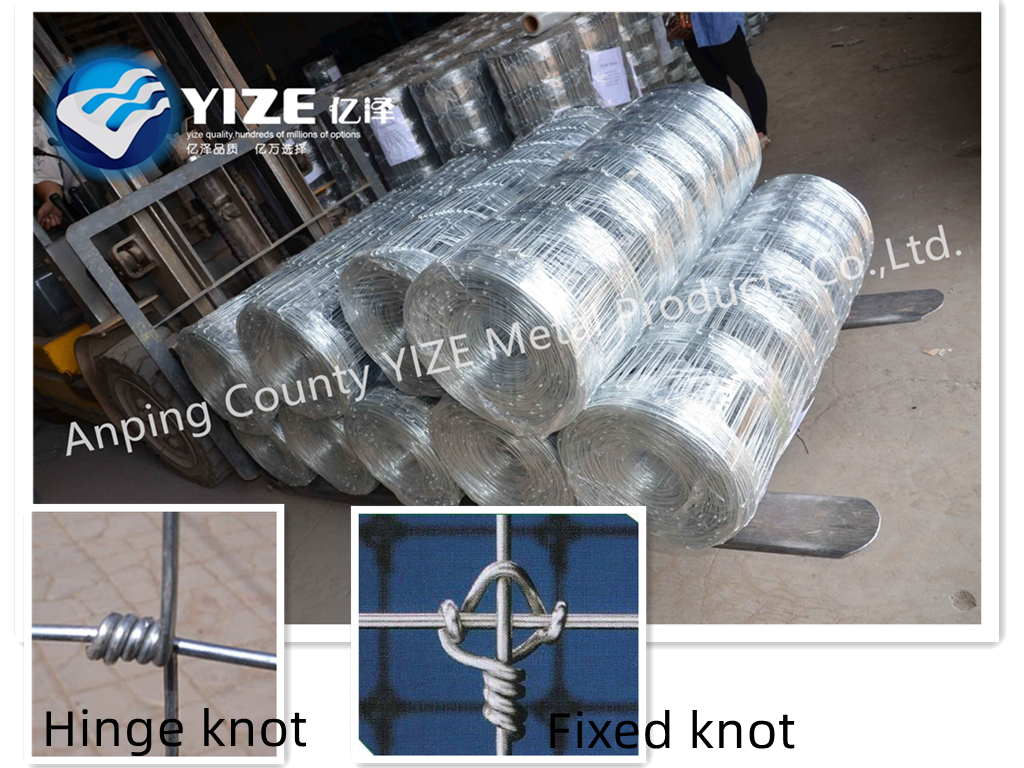
Installing a cattle fence involves several steps, including selecting the appropriate materials, planning the layout, preparing the ground, setting the posts, attaching the wire or panels, and finishing with gates and other hardware. Here are the general steps for installing a cattle fence:
Materials needed:
- Fence posts (wooden or metal)
- Fence wire or panels
- T-posts (optional)
- Braces (optional)
- Gate(s)
- Fence staples or clips
- Post hole digger or auger
- Level
- Fence stretcher (optional)
- Pliers or wire cutters
Steps:
- Plan the layout: Determine the perimeter of the area to be fenced and the placement of gates. Measure the distance between posts and calculate the amount of wire or panels needed. Choose a location for corner posts, end posts, and gate posts.
- Prepare the ground: Clear any debris or obstructions from the area. Use a level to ensure the ground is level and remove any rocks or roots that may interfere with post placement.
- Set the corner posts: Dig a hole for the corner post deep enough to provide stability (usually 2-3 feet deep). Place the post in the hole and fill with concrete or gravel. Use a level to ensure the post is plumb and adjust as needed.
- Set the end posts: Dig a hole for the end post and follow the same procedure as for the corner post. Ensure the post is level and adjust as needed.
- Set the line posts: Measure the distance between corner and end posts and evenly space the line posts. Use a post hole digger or auger to dig a hole for each line post. Set the post in the hole and fill with concrete or gravel. Ensure the post is level and adjust as needed.
- Attach the wire or panels: Unroll the wire or panels and attach to the posts using fence staples or clips. Use pliers or wire cutters to tighten and adjust the wire as needed. Use a fence stretcher to tension the wire, if necessary.
- Install gates: Attach the gate hardware to the gate posts and hang the gate(s). Adjust the hardware to ensure the gate is level and opens and closes smoothly.
- Install braces (optional): If using T-posts, install braces between the T-posts and the corner and end posts to provide additional stability.
Note: It's important to follow any local regulations and obtain any necessary permits before installing a cattle fence. Additionally, consider the type of cattle you are containing and the height and strength of the fence needed to ensure their safety and prevent escape.
How do you install chicken cage
what are perforated metal mesh used for and what advantages of it
Related Article
Discover the key benefits of installing a farm fence, including enhanced security, livestock management, and property protection. Learn how a farm fence can improve efficiency and safety on your farm.
The Advantages of Farm Fence: Protecting Your Land and Livestock

Discover how a poultry plucker can transform your poultry processing with efficiency and ease. Learn about its benefits, types, and key features to find the perfect poultry plucker for your needs.
The Ultimate Guide to Choosing the Best Poultry Plucker for Your Farm

