
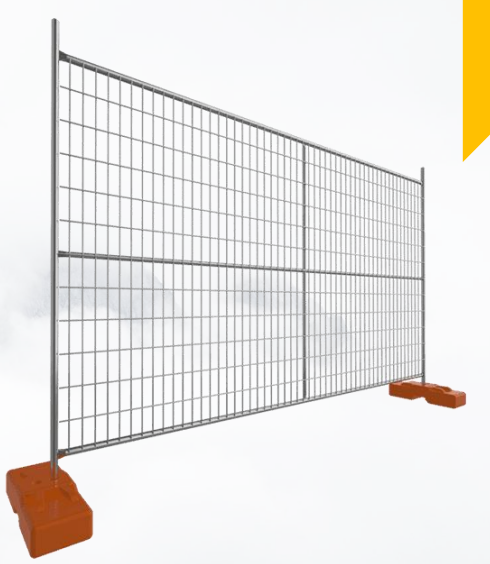
Exploring Various Types of Wire Mesh Panels
Wire mesh panels are versatile and widely used in numerous industries for a multitude of applications. From construction to agriculture, these panels offer strength, durability, and flexibility in various settings. In this comprehensive guide, we'll explore the different types of wire mesh panels, their characteristics, and their diverse applications.
1. Welded Wire Mesh Panels:
Welded wire mesh panels are constructed by welding individual wires together at their intersections, creating a strong and rigid grid pattern. These panels are commonly used in fencing, partitions, and reinforcement applications due to their stability and resistance to deformation. Welded wire mesh panels are available in various wire gauges, mesh sizes, and materials such as stainless steel, galvanized steel, and PVC-coated steel.
2. Expanded Metal Mesh Panels:
Expanded metal mesh panels are produced by cutting and stretching a sheet of metal to form a pattern of diamond-shaped openings. These panels offer excellent strength-to-weight ratio, ventilation, and visibility, making them suitable for applications such as security screens, machine guards, and architectural facades. Expanded metal mesh panels are available in different materials including steel, aluminum, and stainless steel, with options for various opening sizes and strand widths.
3. Woven Wire Mesh Panels:
Woven wire mesh panels are manufactured by weaving individual wires together in a variety of patterns such as plain weave, twill weave, and Dutch weave. These panels are renowned for their flexibility, uniformity, and aesthetic appeal, making them ideal for architectural, filtration, and screening applications. Woven wire mesh panels are available in different materials such as stainless steel, brass, copper, and bronze, with options for various wire diameters and mesh counts.
4. Perforated Metal Panels:
Perforated metal panels are produced by punching or stamping a sheet of metal to create a pattern of holes or perforations. These panels offer excellent airflow, light transmission, and sound absorption properties, making them suitable for applications such as acoustic panels, ventilation grilles, and decorative screens. Perforated metal panels are available in various materials including steel, aluminum, and stainless steel, with options for different hole sizes, shapes, and patterns.
5. Wire Grid Panels:
Wire grid panels, also known as wire mesh grids or gridwall panels, are modular panels consisting of welded wire grids framed with metal or plastic. These panels are widely used in retail displays, storage systems, and organization solutions due to their versatility, durability, and ease of customization. Wire grid panels are available in various sizes, grid patterns, and finishes, allowing for endless possibilities in merchandising and organization.
6. Gabion Mesh Panels:
Gabion mesh panels are composed of wire mesh baskets filled with stones or other aggregates, used primarily in civil engineering and landscaping projects for erosion control, retaining walls, and decorative features. These panels offer excellent stability, permeability, and aesthetic appeal, making them a popular choice for environmentally friendly solutions in outdoor environments. Gabion mesh panels are available in different wire diameters, mesh sizes, and basket dimensions to suit specific project requirements.
Conclusion:
Wire mesh panels are indispensable components in a wide range of industries and applications, offering strength, durability, and versatility. Whether it's providing security, ventilation, or aesthetic enhancement, there's a wire mesh panel suitable for every need. By understanding the various types of wire mesh panels and their respective characteristics, stakeholders can make informed decisions to meet their specific requirements and achieve optimal results in their projects.
Exploring the Diverse Applications of Wire Mesh Panels
Comprehensive Report on the Properties of Prison Fencing Systems
Related Article