
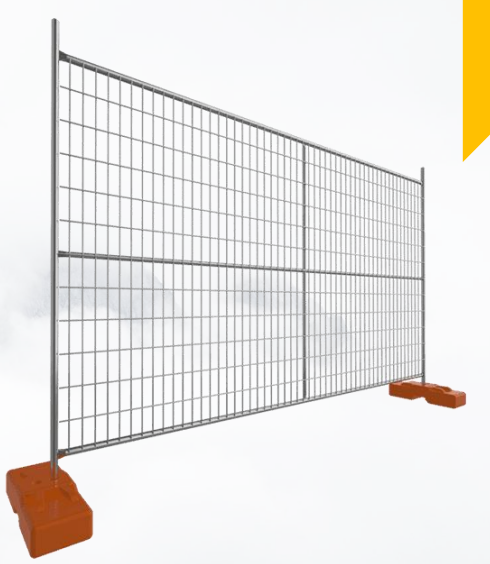
Exploring the Characteristics and Applications of Various Wire Mesh Panels
Wire mesh panels are versatile solutions widely employed across a multitude of industries due to their unique characteristics and adaptability. From providing security to facilitating filtration, these panels offer a wide range of benefits in diverse applications. In this article, we'll delve into the characteristics and applications of various types of wire mesh panels.
1. Welded Wire Mesh Panels:
Characteristics:
- Rigid and durable construction due to welded intersections.
- Available in various wire gauges, mesh sizes, and materials.
- Resistant to corrosion, rust, and degradation.
- Suitable for heavy-duty applications requiring strength and stability.
Applications:
- Security fencing for residential, commercial, and industrial properties.
- Reinforcement for concrete structures in construction projects.
- Partitioning and containment in warehouses and storage facilities.
- Animal enclosures and cages in agricultural and zoological settings.
2. Expanded Metal Mesh Panels:
Characteristics:
- Lightweight yet sturdy construction with diamond-shaped openings.
- Offers excellent ventilation, visibility, and light transmission.
- Highly customizable in terms of material, thickness, and pattern.
- Provides enhanced security with minimal maintenance requirements.
Applications:
- Security screens and barriers for doors, windows, and storefronts.
- Machine guards and safety partitions in industrial environments.
- Architectural facades and decorative panels in building exteriors.
- Filters and grilles for HVAC systems and ventilation ducts.
3. Woven Wire Mesh Panels:
Characteristics:
- Flexible and versatile with interwoven wire strands.
- Provides uniform filtration, screening, and separation.
- Available in different weave patterns, wire diameters, and materials.
- Offers high tensile strength and resistance to abrasion and corrosion.
Applications:
- Filtration screens and sieves in pharmaceutical, food processing, and chemical industries.
- Insect screens and mesh nets for pest control and agricultural applications.
- Architectural mesh for interior and exterior design elements.
- Safety barriers and partitions in commercial and recreational spaces.
4. Perforated Metal Panels:
Characteristics:
- Precision-cut perforations for controlled airflow and visibility.
- Durable and corrosion-resistant with smooth edges and surfaces.
- Offers excellent sound absorption and acoustic performance.
- Customizable in terms of hole size, shape, and spacing.
Applications:
- Acoustic panels and soundproofing solutions in auditoriums, theaters, and recording studios.
- Ventilation grilles and air diffusers in HVAC systems and building exteriors.
- Decorative screens and signage for architectural and interior design projects.
- Machine guards and protective covers in industrial machinery and equipment.
Conclusion:
Wire mesh panels offer a wide range of characteristics and applications, making them indispensable in various industries and settings. Whether it's welded, expanded, woven, or perforated, each type of wire mesh panel brings its unique set of features and benefits to different applications. By understanding their characteristics and applications, stakeholders can make informed decisions to select the most suitable wire mesh panels for their specific needs and achieve optimal results in their projects.
Exploring Characteristics and Applications of Various Factory Fencing and Barriers
Installation Guidelines for Various Types of Wire Mesh Panels
Related Article