
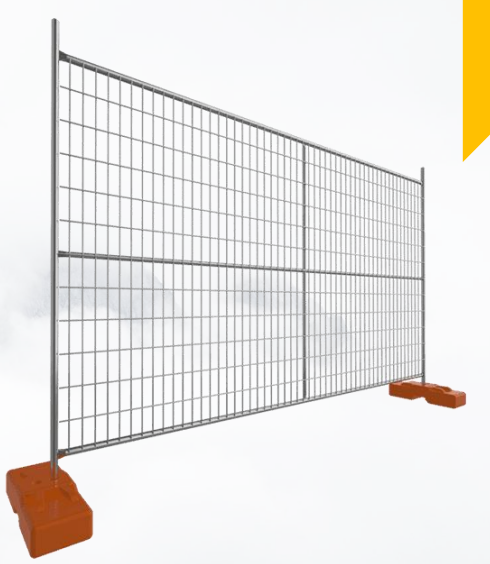
Exploring the Characteristics and Applications of Anti-Climb Fences
Anti-climb fences are specialized security barriers designed to prevent unauthorized access by deterring climbing and scaling attempts. These fences offer unique features and benefits tailored to high-security applications in various industries and settings. In this article, we'll delve into the characteristics and applications of different types of anti-climb fences.
1. Welded Mesh Anti-Climb Fences:
Characteristics:
- Rigid and robust construction with welded wire mesh panels.
- Small mesh openings to prevent footholds and handholds.
- High-strength materials such as steel for durability and security.
- Galvanized or powder-coated finishes for corrosion resistance.
Applications:
- Perimeter security fencing for prisons, correctional facilities, and detention centers.
- Boundary demarcation in high-security areas such as military bases and government installations.
- Protection of critical infrastructure such as power plants, water treatment facilities, and telecommunications sites.
- Safety barriers around airports, seaports, and transportation hubs to prevent unauthorized access to restricted areas.
2. Razor Wire Anti-Climb Fences:
Characteristics:
- Sharp, pointed barbs or blades attached to the top of fencing panels.
- Acts as a physical deterrent against climbing and scaling attempts.
- Available in various configurations including concertina and flat wrap.
- Suitable for retrofitting onto existing fences for enhanced security.
Applications:
- Perimeter security fencing for prisons, correctional facilities, and military installations.
- Protection of sensitive areas such as government buildings, embassies, and diplomatic missions.
- Boundary demarcation in high-risk environments such as industrial facilities and chemical plants.
- Temporary security fencing for construction sites, events, and emergency situations requiring rapid deployment.
3. Spiked Anti-Climb Fences:
Characteristics:
- Sharp, pointed spikes or studs protruding from the top of fencing panels.
- Acts as a physical barrier to deter climbing and scaling attempts.
- Available in various designs and configurations for different security requirements.
- Can be combined with other security measures such as CCTV cameras and motion sensors.
Applications:
- Perimeter security fencing for commercial and industrial properties, including warehouses, distribution centers, and manufacturing facilities.
- Boundary demarcation in urban environments to protect private property and deter trespassing.
- Protection of high-value assets such as data centers, server farms, and research facilities.
- Safety barriers around outdoor storage yards, equipment compounds, and loading docks.
4. Electric Anti-Climb Fences:
Characteristics:
- Electrified wires or conductors integrated into fencing panels.
- Delivers a non-lethal electric shock upon contact to deter climbers.
- Can be configured with multiple voltage levels and pulse settings.
- Equipped with alarms and warning signs for enhanced security and safety.
Applications:
- Perimeter security fencing for high-security installations such as nuclear power plants, government research facilities, and data centers.
- Boundary demarcation in remote or isolated areas where physical patrols are limited.
- Protection of critical infrastructure such as water reservoirs, substations, and telecommunications towers.
- Safety barriers around hazardous areas, restricted access zones, and sensitive equipment.
Conclusion:
Anti-climb fences offer effective solutions for enhancing security and preventing unauthorized access in various environments. Whether it's welded mesh, razor wire, spiked, or electric fencing, each type of anti-climb fence provides unique features tailored to specific security requirements. By understanding their characteristics and applications, stakeholders can implement appropriate measures to protect assets, personnel, and sensitive areas from intruders and security threats.
The Production Process of Chain Link Fences
Exploring Characteristics and Applications of Various Factory Fencing and Barriers
Related Article