
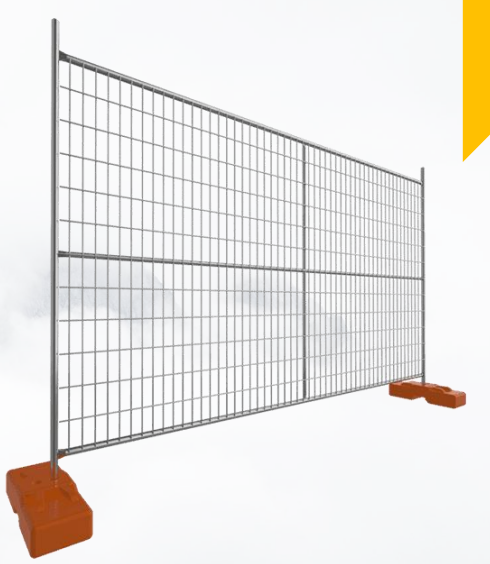
Comprehensive Report on the Properties of Prison Fencing Systems
Structural Characteristics:
Prison fences are characterized by their formidable structural design, typically featuring high fences topped with security enhancements to discourage and prevent escape attempts. The fence structure is often modular, allowing for seamless integration with other security measures such as surveillance cameras, motion detectors, and access control systems. The height and design of the fence are critical considerations, with taller fences and anti-climbing features being common to deter escape attempts.
Materials:
The materials used in the construction of prison fences are selected for their strength, durability, and resistance to tampering. Steel is a predominant choice due to its robustness, and the material is often galvanized to enhance corrosion resistance. Additionally, some prison fences incorporate materials like reinforced concrete or composite materials to further strengthen their integrity and resistance to external forces.
Security Features:
Prison fences are equipped with a range of security features to augment their effectiveness in preventing escapes and unauthorized access. These features may include razor wire or barbed wire along the top of the fence, anti-climbing barriers, and sensors that trigger alarms in response to any attempts at breaching the perimeter. The integration of electronic surveillance systems with the fence enhances overall security, providing real-time monitoring and rapid response capabilities.
Durability:
Durability is a paramount consideration for prison fences, given the constant exposure to environmental elements and potential attempts at sabotage. The use of corrosion-resistant materials, such as galvanized steel, ensures that the fence remains structurally sound even in adverse weather conditions. Additionally, robust construction techniques and materials contribute to the fence's ability to withstand physical impacts and attempts at tampering.
Electronic Integration:
Modern prison fences often incorporate electronic systems for enhanced security. These systems may include perimeter intrusion detection sensors, surveillance cameras, and access control devices. The integration of these technologies allows for real-time monitoring of the perimeter and immediate response to any security breaches. Furthermore, electronic integration facilitates the coordination of various security measures, creating a comprehensive and efficient security system.
Height and Anti-Climbing Features:
The height of prison fences is a critical factor in deterring escape attempts. Taller fences are more challenging to scale, adding an extra layer of security. Anti-climbing features, such as angled or curved tops, rotating spikes, or other deterrents, are commonly integrated to make it difficult for individuals to climb or scale the fence. These features contribute significantly to the effectiveness of the prison fencing system in maintaining secure perimeters.
Applications:
Prison fences find primary application in correctional facilities, where they serve as the first line of defense against unauthorized access and escape attempts. They are used to define the boundaries of the prison complex, securing not only the main facility but also areas such as exercise yards, administrative buildings, and inmate housing units. Additionally, prison fences play a crucial role in segregating different security levels within a facility.
Legal and Human Rights Considerations:
While the primary purpose of prison fences is security, their design and use are subject to legal and human rights considerations. Fences must strike a balance between maintaining security and respecting the rights and dignity of inmates. Transparent materials or features may be incorporated to allow for observation and natural light, and the design should avoid unnecessary cruelty or potential harm to inmates.
Conclusion:
In conclusion, the properties of prison fencing systems are multifaceted, encompassing structural strength, durability, security features, and electronic integration. The evolution of these systems reflects a commitment to ensuring the safety and security of correctional facilities while considering legal and human rights aspects. As technology continues to advance, prison fences are likely to incorporate innovative features to enhance their effectiveness in preventing escapes and safeguarding the well-being of both inmates and staff within correctional institutions.
Exploring Various Types of Wire Mesh Panels
Comprehensive Report on the Properties of Chain Link Fence
Related Article