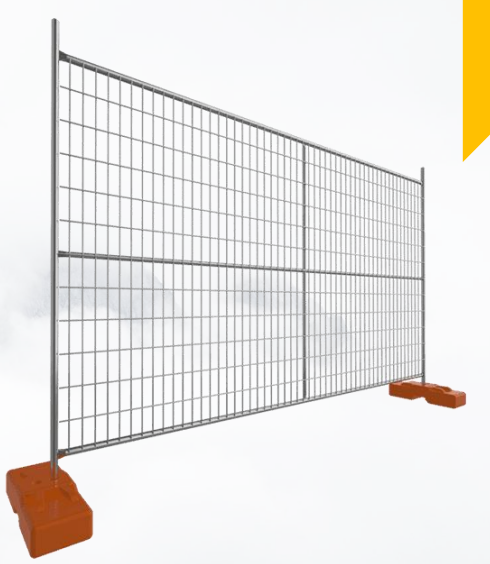
Research Report on Anti-Climb Metal Mesh: Types, Manufacturing Processes, Applications, and Advantages
Research Report on 3D Fencing: Types, Manufacturing Processes, Applications, and Advantages
1. Introduction
3D fencing, also known as three-dimensional fencing, is an innovative security solution that combines aesthetic appeal with high functionality. Unlike traditional flat panel fencing, 3D fencing features a modular design with vertical and horizontal reinforcements, creating a rigid three-dimensional structure. This report examines the types of 3D fencing, their manufacturing processes, key applications, and advantages over conventional fencing systems.
2. Types of 3D Fencing
2.1 Standard 3D Panel Fencing
-
Description: Consists of welded steel wire panels with vertical and horizontal supports.
-
Characteristics:
-
Modular design for easy installation.
-
Typically hot-dip galvanized or powder-coated for corrosion resistance.
-
-
Common Uses: Residential properties, commercial complexes, and public infrastructure.
2.2 Decorative 3D Fencing
-
Description: Features ornamental designs (e.g., curved tops, lattice patterns).
-
Characteristics:
-
Enhances visual appeal while maintaining security.
-
Often powder-coated in different colors.
-
-
Common Uses: Luxury homes, hotels, and historical sites.
2.3 Heavy-Duty 3D Security Fencing
-
Description: Reinforced with thicker wires and additional crossbars.
-
Characteristics:
-
Higher resistance to cutting and climbing.
-
Used in high-security zones.
-
-
Common Uses: Prisons, military bases, and industrial facilities.
2.4 PVC-Coated 3D Fencing
-
Description: Galvanized steel mesh coated with PVC for extra durability.
-
Characteristics:
-
Weather-resistant and available in green, black, or other colors.
-
Ideal for coastal areas with high humidity.
-
-
Common Uses: Schools, parks, and swimming pool enclosures.
2.5 Modular 3D Fence Systems
-
Description: Prefabricated panels that interlock for quick assembly.
-
Characteristics:
-
Adjustable height and width.
-
Minimal maintenance required.
-
-
Common Uses: Temporary fencing for events and construction sites.
3. Manufacturing Process of 3D Fencing
3.1 Wire Drawing & Straightening
-
High-quality steel wire is drawn to the required diameter.
-
Wires are straightened to ensure uniformity.
3.2 Welding Process
-
Automated Resistance Welding:
-
Wires are welded at intersections to form a rigid grid.
-
Ensures consistent strength across panels.
-
3.3 Galvanization & Coating
-
Hot-Dip Galvanizing:
-
Panels are submerged in molten zinc for rust prevention.
-
-
Powder Coating (Optional):
-
Electrostatic spray application for color and extra protection.
-
3.4 Panel Formation & Framing
-
Welded mesh is cut into panels of standard sizes (e.g., 2m × 2.5m).
-
Frames are added for structural reinforcement.
3.5 Assembly & Packaging
-
Panels are bundled with posts, clamps, and fittings.
-
Ready for shipment and on-site installation.
4. Applications of 3D Fencing
4.1 Residential Security
-
Provides robust perimeter protection without obstructing views.
-
Enhances property aesthetics with sleek designs.
4.2 Commercial & Industrial Use
-
Used in factories, warehouses, and logistics centers for theft prevention.
-
Can be combined with barbed wire or anti-climb features.
4.3 Public Infrastructure
-
Installed in highways, railways, and airports for crowd control.
-
Meets safety standards for impact resistance.
4.4 Recreational Areas
-
Ideal for sports complexes, playgrounds, and zoos.
-
PVC-coated variants prevent rust in humid environments.
4.5 Government & High-Security Zones
-
Deployed in military installations, prisons, and border control.
-
Difficult to breach due to rigid construction.
5. Advantages of 3D Fencing Over Traditional Fencing
| Feature | 3D Fencing | Chain Link Fencing | Wrought Iron Fencing |
|---|---|---|---|
| Strength | High (rigid 3D structure) | Moderate (flexible) | High (but brittle) |
| Installation | Quick (modular panels) | Time-consuming | Labor-intensive |
| Maintenance | Low (galvanized/PVC) | Moderate (rust-prone) | High (needs repainting) |
| Security | Anti-climb design | Easily cut or scaled | Ornamental, less secure |
| Aesthetics | Modern, sleek appearance | Industrial look | Classic but outdated |
Key Benefits of 3D Fencing:
✔ Enhanced Security – Difficult to climb or cut due to rigid construction.
✔ Quick Installation – Prefabricated panels reduce labor costs.
✔ Durability – Galvanized or PVC-coated for long-term use.
✔ Customizable – Available in various heights, colors, and designs.
✔ Low Maintenance – Resistant to rust, corrosion, and weathering.
6. Conclusion
3D fencing is a superior alternative to traditional fencing systems due to its strength, modularity, and low maintenance requirements. Its applications span residential, commercial, industrial, and high-security sectors, making it a versatile choice for modern perimeter protection. With advancements in galvanization and powder coating, 3D fencing offers long-term durability and aesthetic flexibility, ensuring it remains a preferred solution in the fencing industry.
7. References
(Include relevant industry standards such as ASTM, ISO, or manufacturer guidelines.)
This report provides a comprehensive analysis of 3D fencing, covering its types, manufacturing, applications, and advantages. Let me know if you need any modifications or additional details!
Research Report on Anti-Climb Metal Mesh: Types, Manufacturing Processes, Applications, and Advantages
1. Introduction
Anti-climb metal mesh is a specialized security fencing solution designed to prevent unauthorized access by making climbing extremely difficult. Widely used in high-security areas such as prisons, military installations, and critical infrastructure, these meshes combine durability with effective intrusion prevention. This report explores the different types of anti-climb metal mesh, their manufacturing processes, key applications, and advantages over conventional fencing systems.
2. Types of Anti-Climb Metal Mesh
2.1 Rigid Anti-Climb Mesh Panels
-
Description: Made from welded steel wires forming a rigid 3D structure.
-
Characteristics:
-
Features small apertures (typically ≤50mm) to prevent footholds.
-
Hot-dip galvanized or powder-coated for corrosion resistance.
-
-
Common Uses: Prisons, government buildings, and high-security perimeters.
2.2 Concertina Razor Wire Mesh
-
Description: Combines traditional mesh with coiled razor wire for enhanced deterrence.
-
Characteristics:
-
Extremely difficult to climb due to sharp edges.
-
Often used as a top barrier on existing fences.
-
-
Common Uses: Border security, military zones, and detention centers.
2.3 Vertical Bar Grilles
-
Description: Features closely spaced vertical steel bars (≤100mm apart).
-
Characteristics:
-
Smooth surface offers no grip for climbing.
-
Can be welded or mechanically fixed for added strength.
-
-
Common Uses: High-security windows, substations, and industrial sites.
2.4 Diamond-Mesh Anti-Climb Fencing
-
Description: Heavy-duty steel mesh with small diamond-shaped openings.
-
Characteristics:
-
Flexible yet resistant to cutting tools.
-
Often PVC-coated for weather resistance.
-
-
Common Uses: Schools, parks, and utility enclosures.
2.5 Perforated Metal Anti-Climb Sheets
-
Description: Solid metal sheets with small punched holes (≤10mm diameter).
-
Characteristics:
-
Provides complete visual screening while preventing grip.
-
Used where both security and privacy are required.
-
-
Common Uses: Sensitive equipment enclosures, embassy perimeters.
3. Manufacturing Process of Anti-Climb Metal Mesh
3.1 Material Selection
-
High-tensile low-carbon steel (most common)
-
Stainless steel (for marine/coastal applications)
-
Aluminum (lightweight alternatives)
3.2 Mesh Formation
-
Welded Mesh: Automated resistance welding creates rigid panels
-
Woven Mesh: Interlocked wires for flexible diamond patterns
-
Expanded Metal: Sheet metal slit and stretched to form apertures
3.3 Anti-Climb Feature Integration
-
Aperture Control: Maximum 50mm openings (prevents toeholds)
-
Surface Treatments:
-
Smooth powder coating (reduces grip)
-
Micro-serrations (deters bare-hand climbing)
-
3.4 Corrosion Protection
-
Hot-dip galvanizing (50-80µm zinc coating)
-
PVC coating (dual-layer protection)
-
Stainless steel construction (marine-grade 316)
3.5 Structural Reinforcement
-
Perimeter framing with heavy-duty steel channels
-
Anti-ramming foundations for vehicle impact resistance
4. Applications of Anti-Climb Metal Mesh
4.1 Correctional Facilities
-
Perimeter fencing for prisons and detention centers
-
Cell window protection
4.2 Critical Infrastructure
-
Power plants and electrical substations
-
Transportation hubs (airports, train stations)
4.3 Military & Government
-
Border security installations
-
Sensitive government buildings
4.4 Commercial Security
-
Data center perimeters
-
High-value storage facilities
4.5 Public Spaces
-
School and hospital security upgrades
-
Public transit system protections
5. Advantages of Anti-Climb Mesh Over Conventional Fencing
| Feature | Anti-Climb Mesh | Chain Link Fence | Ornamental Iron |
|---|---|---|---|
| Climb Prevention | Excellent (engineered gaps) | Poor (easy footholds) | Moderate (decorative gaps) |
| Cut Resistance | High (thick gauge wires) | Low (easily cut) | Medium (depends on design) |
| Visibility | Adjustable (30-90% open) | High (90%+) | Low (often solid panels) |
| Maintenance | Low (galvanized options) | Moderate (rust issues) | High (frequent painting) |
| Installation | Modular systems available | Standard but time-consuming | Custom fabrication needed |
Key Advantages:
✔ Superior Security – Engineered to resist climbing and cutting
✔ Deterrent Design – Psychological barrier against intruders
✔ Weather Resistance – Long-lasting in harsh environments
✔ Customizable – Various aperture sizes and surface treatments
✔ Low Maintenance – Galvanized/PVC options reduce upkeep
6. Conclusion
Anti-climb metal mesh represents the forefront of perimeter security technology, offering unparalleled protection against unauthorized access. Its specialized designs - from rigid welded panels to razor wire integrations - address diverse security needs across correctional, military, and commercial sectors. With advanced manufacturing techniques producing durable, low-maintenance solutions, anti-climb mesh continues to displace traditional fencing in high-risk applications. Future developments may incorporate smart sensors and anti-tamper technologies to further enhance protective capabilities.
7. References
-
ASTM F2453 - Standard Specification for Welded Wire Mesh Fence Fabric
-
ISO 1461 - Hot Dip Galvanized Coatings on Iron and Steel Articles
-
NIJ Standard-0601.02 - Perimeter Security Barriers
-
CPNI Guidelines for Physical Perimeter Security
Chicken cage
Research Report on 3D Fencing: Types, Manufacturing Processes, Applications, and Advantages
Related Article