
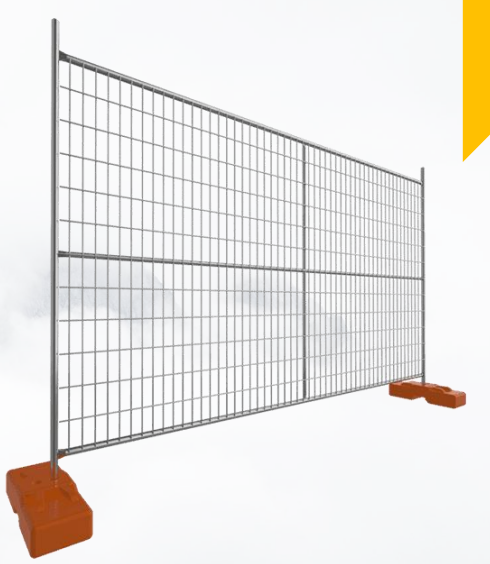
Research Report on 3D Fencing: Types, Manufacturing Processes, Applications, and Advantages
1. Introduction
3D fencing, also known as three-dimensional fencing, is an innovative security solution that combines aesthetic appeal with high functionality. Unlike traditional flat panel fencing, 3D fencing features a modular design with vertical and horizontal reinforcements, creating a rigid three-dimensional structure. This report examines the types of 3D fencing, their manufacturing processes, key applications, and advantages over conventional fencing systems.
2. Types of 3D Fencing
2.1 Standard 3D Panel Fencing
-
Description: Consists of welded steel wire panels with vertical and horizontal supports.
-
Characteristics:
-
Modular design for easy installation.
-
Typically hot-dip galvanized or powder-coated for corrosion resistance.
-
-
Common Uses: Residential properties, commercial complexes, and public infrastructure.
2.2 Decorative 3D Fencing
-
Description: Features ornamental designs (e.g., curved tops, lattice patterns).
-
Characteristics:
-
Enhances visual appeal while maintaining security.
-
Often powder-coated in different colors.
-
-
Common Uses: Luxury homes, hotels, and historical sites.
2.3 Heavy-Duty 3D Security Fencing
-
Description: Reinforced with thicker wires and additional crossbars.
-
Characteristics:
-
Higher resistance to cutting and climbing.
-
Used in high-security zones.
-
-
Common Uses: Prisons, military bases, and industrial facilities.
2.4 PVC-Coated 3D Fencing
-
Description: Galvanized steel mesh coated with PVC for extra durability.
-
Characteristics:
-
Weather-resistant and available in green, black, or other colors.
-
Ideal for coastal areas with high humidity.
-
-
Common Uses: Schools, parks, and swimming pool enclosures.
2.5 Modular 3D Fence Systems
-
Description: Prefabricated panels that interlock for quick assembly.
-
Characteristics:
-
Adjustable height and width.
-
Minimal maintenance required.
-
-
Common Uses: Temporary fencing for events and construction sites.
3. Manufacturing Process of 3D Fencing
3.1 Wire Drawing & Straightening
-
High-quality steel wire is drawn to the required diameter.
-
Wires are straightened to ensure uniformity.
3.2 Welding Process
-
Automated Resistance Welding:
-
Wires are welded at intersections to form a rigid grid.
-
Ensures consistent strength across panels.
-
3.3 Galvanization & Coating
-
Hot-Dip Galvanizing:
-
Panels are submerged in molten zinc for rust prevention.
-
-
Powder Coating (Optional):
-
Electrostatic spray application for color and extra protection.
-
3.4 Panel Formation & Framing
-
Welded mesh is cut into panels of standard sizes (e.g., 2m × 2.5m).
-
Frames are added for structural reinforcement.
3.5 Assembly & Packaging
-
Panels are bundled with posts, clamps, and fittings.
-
Ready for shipment and on-site installation.
4. Applications of 3D Fencing
4.1 Residential Security
-
Provides robust perimeter protection without obstructing views.
-
Enhances property aesthetics with sleek designs.
4.2 Commercial & Industrial Use
-
Used in factories, warehouses, and logistics centers for theft prevention.
-
Can be combined with barbed wire or anti-climb features.
4.3 Public Infrastructure
-
Installed in highways, railways, and airports for crowd control.
-
Meets safety standards for impact resistance.
4.4 Recreational Areas
-
Ideal for sports complexes, playgrounds, and zoos.
-
PVC-coated variants prevent rust in humid environments.
4.5 Government & High-Security Zones
-
Deployed in military installations, prisons, and border control.
-
Difficult to breach due to rigid construction.
5. Advantages of 3D Fencing Over Traditional Fencing
| Feature | 3D Fencing | Chain Link Fencing | Wrought Iron Fencing |
|---|---|---|---|
| Strength | High (rigid 3D structure) | Moderate (flexible) | High (but brittle) |
| Installation | Quick (modular panels) | Time-consuming | Labor-intensive |
| Maintenance | Low (galvanized/PVC) | Moderate (rust-prone) | High (needs repainting) |
| Security | Anti-climb design | Easily cut or scaled | Ornamental, less secure |
| Aesthetics | Modern, sleek appearance | Industrial look | Classic but outdated |
Key Benefits of 3D Fencing:
✔ Enhanced Security – Difficult to climb or cut due to rigid construction.
✔ Quick Installation – Prefabricated panels reduce labor costs.
✔ Durability – Galvanized or PVC-coated for long-term use.
✔ Customizable – Available in various heights, colors, and designs.
✔ Low Maintenance – Resistant to rust, corrosion, and weathering.
6. Conclusion
3D fencing is a superior alternative to traditional fencing systems due to its strength, modularity, and low maintenance requirements. Its applications span residential, commercial, industrial, and high-security sectors, making it a versatile choice for modern perimeter protection. With advancements in galvanization and powder coating, 3D fencing offers long-term durability and aesthetic flexibility, ensuring it remains a preferred solution in the fencing industry.
7. References
(Include relevant industry standards such as ASTM, ISO, or manufacturer guidelines.)
Research Report on Anti-Climb Metal Mesh: Types, Manufacturing Processes, Applications, and Advantages
Research Report on Welded Wire Mesh: Types, Manufacturing Processes, Applications, and Advantages
Related Article