
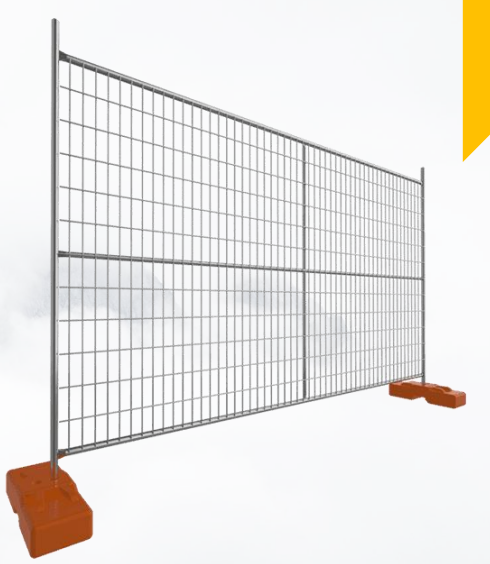
Research Report on Welded Wire Mesh: Types, Manufacturing Processes, Applications, and Advantages
1. Introduction
Welded wire mesh is a versatile and widely used construction and industrial material composed of intersecting steel wires welded together to form a grid pattern. Due to its strength, durability, and adaptability, it is employed in various industries, including construction, agriculture, security, and transportation. This report examines the different types of welded wire mesh, their manufacturing processes, applications, and advantages over alternative materials.
2. Types of Welded Wire Mesh
2.1 Based on Material
(a) Carbon Steel Welded Wire Mesh
-
Description: Made from low or high-carbon steel wires.
-
Characteristics: High tensile strength, cost-effective, but prone to rust without coating.
-
Common Coatings: Galvanized, PVC-coated, or powder-coated.
(b) Stainless Steel Welded Wire Mesh
-
Description: Manufactured from 304 or 316 stainless steel.
-
Characteristics: Corrosion-resistant, durable, and suitable for harsh environments.
-
Common Uses: Food processing, chemical industries, marine applications.
(c) Galvanized Welded Wire Mesh
-
Description: Carbon steel mesh coated with zinc (electro-galvanized or hot-dip galvanized).
-
Characteristics: Rust-resistant, long lifespan, widely used outdoors.
(d) PVC-Coated Welded Wire Mesh
-
Description: Galvanized mesh with an additional PVC layer.
-
Characteristics: Enhanced corrosion resistance, available in different colors.
2.2 Based on Wire Diameter & Mesh Size
(a) Fine Welded Wire Mesh
-
Wire Diameter: 0.5mm – 2mm.
-
Mesh Size: Small openings (e.g., 6mm × 6mm).
-
Applications: Window screens, insect enclosures, filtration.
(b) Medium Welded Wire Mesh
-
Wire Diameter: 2mm – 4mm.
-
Mesh Size: Medium openings (e.g., 25mm × 25mm).
-
Applications: Fencing, partitions, animal cages.
(c) Heavy-Duty Welded Wire Mesh
-
Wire Diameter: 4mm – 8mm.
-
Mesh Size: Large openings (e.g., 100mm × 100mm).
-
Applications: Industrial flooring, reinforcement in construction.
2.3 Based on Structure & Design
(a) Standard Square Mesh
-
Description: Uniform square openings.
-
Applications: General fencing, concrete reinforcement.
(b) Reinforced Welded Mesh (WWF – Welded Wire Fabric)
-
Description: Thicker longitudinal wires for added strength.
-
Applications: Slab reinforcement in construction.
(c) Crimped Welded Wire Mesh
-
Description: Wires are pre-crimped before welding for extra rigidity.
-
Applications: Mining screens, vibrating sieves.
3. Manufacturing Process of Welded Wire Mesh
3.1 Wire Drawing
-
Raw steel rods are drawn through dies to reduce diameter.
-
Achieves precise wire thickness for welding.
3.2 Welding Process
-
Resistance Welding:
-
Wires are fed into a welding machine where electric current fuses intersections.
-
Automated for high-speed production.
-
3.3 Surface Treatment
-
Galvanization:
-
Hot-Dip Galvanizing: Mesh is dipped in molten zinc for maximum rust resistance.
-
Electro-Galvanizing: Zinc coating applied via electrolysis (thinner but cheaper).
-
-
PVC Coating:
-
Galvanized mesh is coated with PVC for extra protection and aesthetics.
-
3.4 Cutting & Shaping
-
Mesh is cut into rolls, panels, or custom shapes.
-
Edges can be reinforced with frames for structural applications.
4. Applications of Welded Wire Mesh
4.1 Construction Industry
-
Concrete Reinforcement (WWF): Prevents cracking in slabs and walls.
-
Gabion Boxes: Used in erosion control and retaining walls.
4.2 Agriculture & Animal Husbandry
-
Poultry & Livestock Enclosures: Provides ventilation and security.
-
Greenhouse Structures: Supports climbing plants.
4.3 Security & Fencing
-
Perimeter Fencing: Used in prisons, military zones, and residential areas.
-
Machine Guards: Protects workers from moving parts.
4.4 Industrial & Filtration Uses
-
Vibrating Screens: Separates materials in mining and aggregate industries.
-
Filters & Sieves: Used in food processing and chemical industries.
4.5 Transportation Infrastructure
-
Highway Barriers: Reinforces crash barriers.
-
Bridge Decking: Provides structural support.
5. Advantages of Welded Wire Mesh Over Alternative Materials
| Feature | Welded Wire Mesh | Woven Wire Mesh | Expanded Metal Mesh |
|---|---|---|---|
| Strength | High (rigid structure) | Moderate (flexible) | High (but less uniform) |
| Cost | Affordable | More expensive | Moderate |
| Production Speed | Fast (automated welding) | Slower (weaving) | Moderate (cutting/stretching) |
| Rust Resistance | Excellent (if galvanized) | Good (depends on coating) | Moderate |
| Customization | Easy (varying wire thickness & spacing) | Limited by weaving process | Limited by metal sheet size |
Key Benefits:
✔ High Durability: Resists impact and deformation.
✔ Easy Installation: Prefabricated panels save labor costs.
✔ Versatility: Adaptable to multiple industries.
✔ Low Maintenance: Galvanized/PVC-coated varieties require minimal upkeep.
6. Conclusion
Welded wire mesh is a critical material in modern construction, agriculture, security, and industrial applications due to its strength, cost-efficiency, and adaptability. Different types—such as carbon steel, stainless steel, galvanized, and PVC-coated—offer varying benefits depending on environmental and structural requirements. Its automated production ensures consistency, while surface treatments enhance longevity. Compared to woven or expanded metal mesh, welded wire mesh provides superior rigidity and ease of use, making it a preferred choice across industries.
7. References
(Include industry standards like ASTM, ISO, or manufacturer specifications if needed.)
Research Report on 3D Fencing: Types, Manufacturing Processes, Applications, and Advantages
Research Report on Types of Metal Fencing: Processes, Production Methods, Applications, and Maintenance Guidelines
Related Article