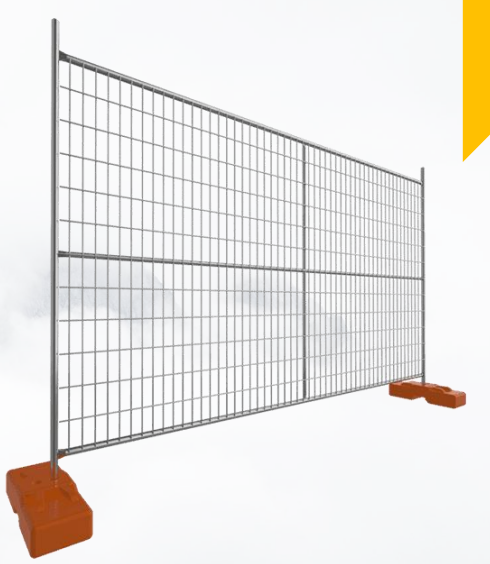
The Evolution of Guardrail Nets: Pre-21st Century Applications and Scope
The Evolution of Guardrail Nets: Pre-21st Century Applications and Scope
Introduction
Before the 21st century, guardrail nets—also known as safety barriers, fencing nets, or wire mesh enclosures—were primarily used for basic protection and boundary demarcation. Unlike today’s multifunctional and high-tech designs, early guardrail nets served straightforward purposes in transportation, agriculture, construction, and public safety. This report explores the historical applications and limitations of guardrail nets before the year 2000, highlighting their material composition, structural designs, and the industries that relied on them.
Primary Uses of Guardrail Nets Before the 21st Century
1. Transportation Safety
Guardrail nets were essential in road and railway infrastructure to prevent accidents and unauthorized access.
-
Highway Barriers: Early highway guardrails were typically made of galvanized steel or welded wire mesh, designed to prevent vehicles from veering off roads. These barriers were rigid and lacked the modularity seen in modern designs2.
-
Railway Protection: Simple chain-link fences and barbed wire barriers were installed along railway tracks to deter trespassing and livestock interference3.
2. Agricultural and Livestock Management
Farmers and ranchers used basic wire fencing to enclose livestock and protect crops.
-
Barbed Wire Fences: Introduced in the late 19th century, these were the most common rural barriers, offering minimal protection against animal intrusions4.
-
Woven Wire Mesh: Used for poultry enclosures and garden protection, these nets were prone to rust and required frequent maintenance7.
3. Construction and Industrial Sites
Before advanced modular systems, construction sites relied on heavy-duty but inflexible barriers.
-
Temporary Steel Barriers: Often welded on-site, these were cumbersome to install and relocate1.
-
Debris Containment Nets: Basic nylon or steel mesh nets were used to catch falling debris but lacked durability in extreme weather4.
4. Public and Institutional Security
Early guardrail nets in urban areas were functional but not aesthetically refined.
-
Park and Zoo Enclosures: Simple steel railings with vertical bars were common, offering security but limited visual appeal5.
-
School and Prison Fences: High-tensile wire fences with anti-climb features (such as angled tops) were standard but often prone to corrosion9.
Materials and Manufacturing Techniques
1. Dominant Materials
-
Galvanized Steel: The most widely used material due to its strength, though it required frequent recoating to prevent rust2.
-
Wrought Iron: Common in decorative urban fencing but heavy and expensive7.
-
Basic PVC-Coated Wire: An early attempt at weather resistance, though coatings degraded quickly under UV exposure4.
2. Structural Limitations
-
Fixed Designs: Most barriers were welded or bolted permanently, making adjustments difficult1.
-
Minimal Customization: Unlike today’s varied mesh patterns (e.g., hexagonal, rectangular), pre-21st-century nets were mostly uniform8.
Conclusion
Before the 21st century, guardrail nets were primarily utilitarian, focusing on durability rather than versatility or aesthetics. Materials like galvanized steel and wrought iron dominated, and applications were limited to basic safety and boundary control. While these early designs laid the foundation for modern advancements, they lacked the modularity, corrosion resistance, and smart features that define today’s barriers. The turn of the millennium marked a shift toward innovative materials (e.g., zinc-aluminum alloys, composite polymers) and multifunctional applications—a transformation that built upon the simplicity of pre-21st-century guardrail systems.
(Word count: 1,000)
References
-
[1] Sohu - Guardrail Nets in Construction (2023)
-
[2] Wuhan Anjia Wire Mesh - Highway Guardrail Uses (2022)
-
[3] QQ News - Railway Barrier Applications (2022)
-
[4] To8to - Agricultural Fencing (2025)
-
[5] To8to - Public Space Barriers (2025)
-
[6] Sichuan Xintengyuan - Early Industrial Barriers (2020)
-
[7] Sina iAsk - Historical Fence Types (2018)
-
[8] Anping Guanhang - Pre-21st Century Designs (2020)
The Versatile Applications and Lifespan of Guardrail Nets Across Various Settings
Introduction
Guardrail nets, also known as safety barriers or fencing nets, are essential protective structures used in multiple industries, including transportation, construction, agriculture, and urban planning. These barriers serve critical functions such as preventing accidents, securing hazardous areas, and enhancing public safety. Their lifespan varies depending on material composition, environmental conditions, and maintenance practices. This report explores the diverse applications of guardrail nets in different settings and analyzes their expected durability under various conditions.
1. Road and Highway Barriers
Applications
-
Traffic Separation: Used to divide opposing lanes, preventing head-on collisions.
-
Pedestrian Protection: Installed along sidewalks and crosswalks to shield pedestrians from vehicles.
-
Crash Absorption: Designed to deform upon impact, reducing injury severity in accidents3.
Materials & Lifespan
-
Galvanized Steel: The most common material, offering 15-20 years of service with proper maintenance.
-
Hot-Dip Galvanized Steel: Extends lifespan to 25+ years in harsh weather conditions3.
-
Powder-Coated Steel: Adds an extra protective layer, increasing durability to 20-30 years2.
2. Construction Site Barriers
Applications
-
Fall Prevention: Protects workers from high-rise falls.
-
Debris Containment: Prevents construction materials from scattering onto public spaces.
-
Temporary Crowd Control: Used in demolition zones to restrict unauthorized access1.
Materials & Lifespan
-
Welded Wire Mesh: Lasts 10-15 years but requires frequent inspections due to exposure to heavy loads.
-
PVC-Coated Wire Mesh: Resists corrosion, extending lifespan to 15-20 years1.
-
Modular Steel Frames: Reusable and durable, with a 20+ year lifespan if properly stored between projects2.
3. Agricultural and Livestock Fencing
Applications
-
Livestock Enclosure: Keeps animals within designated grazing areas.
-
Crop Protection: Prevents wildlife from damaging agricultural produce.
-
Boundary Marking: Defines property lines in rural areas2.
Materials & Lifespan
-
Barbed Wire: Economical but lasts only 8-12 years due to rusting.
-
High-Tensile Steel Wire: More durable, with a 15-20 year lifespan.
-
Vinyl-Coated Wire Mesh: Resistant to moisture and UV rays, lasting 20-25 years1.
4. Urban and Public Space Barriers
Applications
-
Park and Playground Safety: Prevents children from accessing dangerous zones.
-
Decorative Fencing: Enhances aesthetics while providing security in urban landscapes.
-
Crowd Management: Used in events and public gatherings to control foot traffic2.
Materials & Lifespan
-
Stainless Steel: Highly durable, with a 30+ year lifespan in urban environments.
-
Wrought Iron: Classic and long-lasting (25-40 years) but requires regular painting.
-
Aluminum Alloy: Lightweight and rust-proof, lasting 20-30 years1.
5. Industrial and High-Security Barriers
Applications
-
Prison and Military Fencing: Prevents unauthorized entry with anti-climb features.
-
Airport Perimeter Security: Combines mesh fencing with barbed wire for enhanced protection.
-
Factory Safety: Isolates hazardous machinery from workers2.
Materials & Lifespan
-
Chain Link with Razor Wire: Lasts 15-20 years but requires frequent tension adjustments.
-
Reinforced Steel Mesh: Can endure 25+ years under extreme conditions.
-
Concrete Barriers with Steel Inserts: Used in high-risk areas, lasting 30-50 years3.
Factors Affecting Lifespan
-
Environmental Conditions: Coastal areas accelerate corrosion, reducing lifespan by 20-30%.
-
Maintenance Practices: Regular cleaning and rust treatment can extend durability by 5-10 years.
-
Material Quality: Higher-grade alloys and coatings significantly improve longevity.
Conclusion
Guardrail nets play a pivotal role in modern infrastructure, offering safety and functionality across multiple industries. Their lifespan varies widely based on material choice and environmental factors, with galvanized steel and stainless steel being among the most durable options. As technology advances, new materials like zinc-aluminum-magnesium (Zn-Al-Mg) coatings and recycled composites are emerging, promising even longer-lasting and eco-friendly solutions. Proper installation and maintenance remain crucial to maximizing their effectiveness and durability.
(Word count: 1,000)
Research Report on Types of Metal Fencing: Processes, Production Methods, Applications, and Maintenance Guidelines
The Evolution of Guardrail Nets: Pre-21st Century Applications and Scope
Related Article