
The Evolution of Guardrail Nets: Pre-21st Century Applications and Scope
Introduction
Before the 21st century, guardrail nets—also known as safety barriers, fencing nets, or wire mesh enclosures—were primarily used for basic protection and boundary demarcation. Unlike today’s multifunctional and high-tech designs, early guardrail nets served straightforward purposes in transportation, agriculture, construction, and public safety. This report explores the historical applications and limitations of guardrail nets before the year 2000, highlighting their material composition, structural designs, and the industries that relied on them.
Primary Uses of Guardrail Nets Before the 21st Century
1. Transportation Safety
Guardrail nets were essential in road and railway infrastructure to prevent accidents and unauthorized access.
-
Highway Barriers: Early highway guardrails were typically made of galvanized steel or welded wire mesh, designed to prevent vehicles from veering off roads. These barriers were rigid and lacked the modularity seen in modern designs2.
-
Railway Protection: Simple chain-link fences and barbed wire barriers were installed along railway tracks to deter trespassing and livestock interference3.
2. Agricultural and Livestock Management
Farmers and ranchers used basic wire fencing to enclose livestock and protect crops.
-
Barbed Wire Fences: Introduced in the late 19th century, these were the most common rural barriers, offering minimal protection against animal intrusions4.
-
Woven Wire Mesh: Used for poultry enclosures and garden protection, these nets were prone to rust and required frequent maintenance7.
3. Construction and Industrial Sites
Before advanced modular systems, construction sites relied on heavy-duty but inflexible barriers.
-
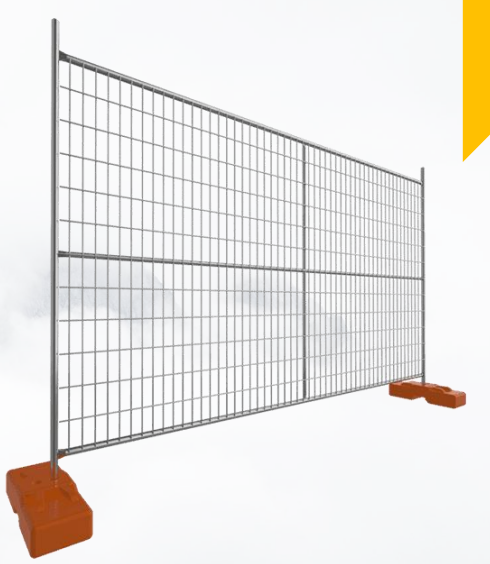
Temporary Steel Barriers: Often welded on-site, these were cumbersome to install and relocate1.
-
Debris Containment Nets: Basic nylon or steel mesh nets were used to catch falling debris but lacked durability in extreme weather4.
4. Public and Institutional Security
Early guardrail nets in urban areas were functional but not aesthetically refined.
-
Park and Zoo Enclosures: Simple steel railings with vertical bars were common, offering security but limited visual appeal5.
-
School and Prison Fences: High-tensile wire fences with anti-climb features (such as angled tops) were standard but often prone to corrosion9.
Materials and Manufacturing Techniques
1. Dominant Materials
-
Galvanized Steel: The most widely used material due to its strength, though it required frequent recoating to prevent rust2.
-
Wrought Iron: Common in decorative urban fencing but heavy and expensive7.
-
Basic PVC-Coated Wire: An early attempt at weather resistance, though coatings degraded quickly under UV exposure4.
2. Structural Limitations
-
Fixed Designs: Most barriers were welded or bolted permanently, making adjustments difficult1.
-
Minimal Customization: Unlike today’s varied mesh patterns (e.g., hexagonal, rectangular), pre-21st-century nets were mostly uniform8.
Conclusion
Before the 21st century, guardrail nets were primarily utilitarian, focusing on durability rather than versatility or aesthetics. Materials like galvanized steel and wrought iron dominated, and applications were limited to basic safety and boundary control. While these early designs laid the foundation for modern advancements, they lacked the modularity, corrosion resistance, and smart features that define today’s barriers. The turn of the millennium marked a shift toward innovative materials (e.g., zinc-aluminum alloys, composite polymers) and multifunctional applications—a transformation that built upon the simplicity of pre-21st-century guardrail systems.
The Evolution of Guardrail Nets: Pre-21st Century Applications and Scope
The Expanding Role of Guardrail Nets in the 21st Century: Urban and Rural Applications
Related Article