
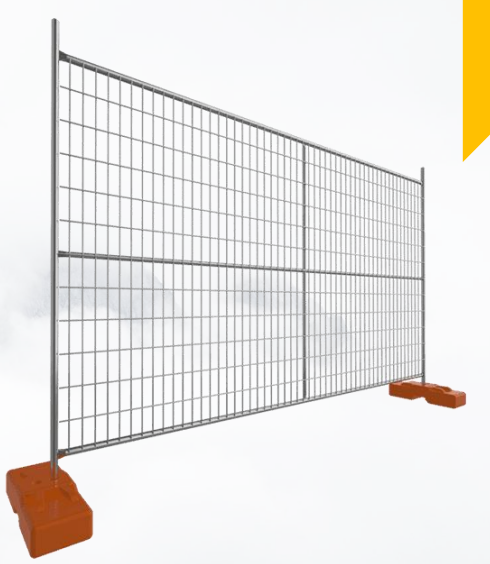
The Expanding Role of Guardrail Nets in the 21st Century: Urban and Rural Applications
Introduction
Since the beginning of the 21st century, guardrail nets (also known as fence netting or safety barriers) have evolved into essential infrastructure components, serving critical roles in both urban and rural environments. Their applications range from ensuring public safety in cities to protecting livestock and agricultural land in rural areas. This report explores the diverse uses of guardrail nets in modern society, highlighting their significance in transportation, construction, agriculture, and urban beautification. Additionally, we examine emerging trends in materials and design that enhance their functionality and sustainability.
Urban Applications of Guardrail Nets
1. Traffic Safety and Road Infrastructure
Guardrail nets are fundamental in urban traffic management, preventing vehicles from veering off roads and protecting pedestrians from accidents. Highways, bridges, and tunnels increasingly use powder-coated steel barriers for durability and corrosion resistance1. Modern designs incorporate modular systems that allow quick installation and adjustments to accommodate changing traffic patterns3.
2. Public Spaces and Municipal Projects
Cities deploy guardrail nets in parks, plazas, and sidewalks to enhance safety while maintaining aesthetic appeal. Decorative stainless steel fences with anti-climb features are common in urban landscapes, blending functionality with design6. Additionally, PVC-coated wire mesh is used for temporary crowd control during events due to its lightweight and easy assembly4.
3. Construction and Building Safety
Construction sites in urban areas rely on welded mesh barriers to prevent falls and contain debris. Innovations such as quick-assembly frames reduce installation time, improving efficiency on high-rise projects1. Some systems now integrate shock-absorbing mechanisms to enhance worker safety further.
4. Airport and High-Security Zones
Airports use Y-shaped guardrail nets with barbed wire to deter unauthorized access. These barriers feature hot-dip galvanized steel for long-term durability and are often combined with motion sensors for enhanced security28.
Rural and Suburban Applications
1. Agricultural and Livestock Protection
Farmers use PVC-coated wire fences to enclose livestock and protect crops from wildlife. These barriers are weather-resistant and require minimal maintenance, making them ideal for rural settings4. Electric fencing systems have also gained popularity for deterring predators while ensuring animal safety.
2. Railway and Highway Perimeter Security
In rural areas, galvanized steel barriers prevent animals and trespassers from entering railway tracks and highways. These fences often include anti-climb designs to enhance security in remote locations2.
3. Environmental and Wildlife Conservation
Guardrail nets are used in ecological projects such as erosion control and wildlife corridors. Gabion mesh barriers, filled with rocks, stabilize slopes in mountainous regions, while wildlife-friendly fencing allows animal movement without habitat fragmentation7.
Emerging Trends and Sustainable Materials
1. Advanced Coatings for Longevity
New zinc-aluminum-magnesium (Zn-Al-Mg) coatings offer superior corrosion resistance, extending the lifespan of barriers in coastal and industrial areas1.
2. Recycled and Eco-Friendly Materials
Manufacturers are increasingly using recycled plastics and bio-composites to reduce environmental impact. PVC-free alternatives are being tested for agricultural fencing to minimize plastic waste4.
3. Smart Barrier Systems
Some urban projects now integrate solar-powered LED barriers for nighttime visibility, while sensor-equipped fences alert authorities to breaches in high-security zones8.
Conclusion
Guardrail nets have become indispensable in the 21st century, serving diverse roles from urban traffic management to rural agricultural protection. Innovations in materials—such as Zn-Al-Mg coatings and recycled composites—are making these barriers more durable and sustainable. As cities expand and environmental concerns grow, guardrail nets will continue evolving, integrating smart technologies and eco-friendly designs to meet future challenges.
The Evolution of Guardrail Nets: Pre-21st Century Applications and Scope
The Evolution and Expansion of Guardrail Nets in the 21st Century: Applications and Emerging Materials
Related Article