
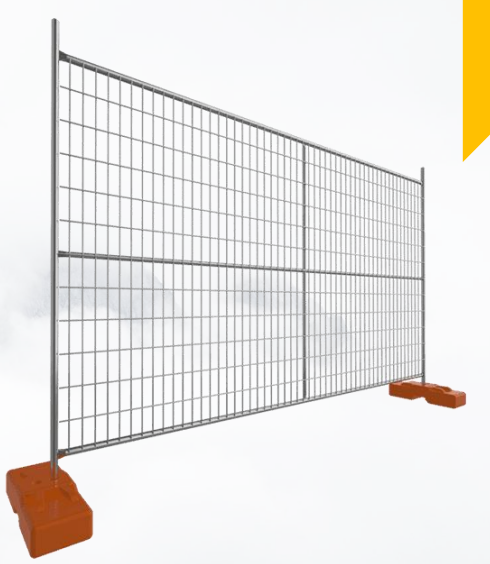
The Evolution and Expansion of Guardrail Nets in the 21st Century: Applications and Emerging Materials
Expanding Applications of Guardrail Nets
1. Construction and Building Safety
Guardrail nets are essential in modern construction to prevent falls and contain debris. Traditional scaffolding nets have been replaced by modular systems like the CN206681396U design, which features threaded support rods and quick-assembly mechanisms for rapid installation and disassembly1. These nets are now integrated with shock-absorbing springs and stainless steel meshes to enhance worker safety.
2. Transportation Infrastructure
Highways, railways, and airports increasingly rely on guardrail nets for crowd control and accident prevention. The CN214740125U patent introduces adjustable barrier systems with telescopic poles and magnetic locking mechanisms, allowing flexible deployment in different traffic conditions2. Additionally, Y-type safety defense nets with reinforced welded mesh and anti-climb features are now standard in airport security4.
3. Residential and Urban Safety
In residential areas, zinc steel balcony railings have replaced traditional iron bars due to their corrosion resistance and sleek design. These barriers use hot-dip galvanized steel with multiple protective layers, ensuring a lifespan of over 20 years without rusting6. Meanwhile, smart invisible safety nets with 5cm-spaced steel wires provide child safety while maintaining aesthetic appeal7.
4. Environmental and Landscape Use
Guardrail nets are now employed in ecological projects such as slope stabilization and wildlife protection. Welded gabion nets, filled with stones, prevent soil erosion in mountainous regions3. Decorative bamboo-pattern stainless steel fences blend functionality with natural aesthetics in parks and urban landscapes9.
Emerging Materials in Guardrail Manufacturing
1. Zinc-Aluminum-Magnesium (Zn-Al-Mg) Alloy Coatings
A breakthrough in corrosion resistance, Zn-Al-Mg coatings provide three times the lifespan of conventional galvanized steel. These are now widely used in highway barriers and coastal installations where saltwater exposure is a concern6.
2. Glass Fiber Reinforced Concrete (GRC)
GRC combines cement with alkali-resistant glass fibers, creating lightweight yet durable barriers ideal for architectural facades and artistic installations. Its moldability allows intricate designs, making it popular in urban beautification projects12.
3. PVC-Coated and Polyethylene (PE) Wires
These materials offer enhanced weather resistance and vibrant color options. PVC-coated welded mesh is now a standard in garden fencing and sports enclosures due to its UV stability and low maintenance37.
4. High-Strength Nylon Composites
Used in modular guardrail systems, nylon-based connectors provide flexibility and impact resistance. The CN214740125U design incorporates such materials to allow quick adjustments without welding2.
5. Stainless Steel with Nano-Coatings
Advanced PVD (Physical Vapor Deposition) coatings on stainless steel nets provide self-cleaning properties, reducing maintenance costs in urban and industrial settings7.
Future Trends and Sustainability
The guardrail industry is shifting toward eco-friendly materials like recycled plastics and bio-composites. Innovations such as solar-integrated barriers (equipped with photovoltaic panels) are being tested for smart highways12. Additionally, 3D-printed GRC panels could revolutionize custom barrier production, reducing waste and lead times.
Conclusion
The 21st century has transformed guardrail nets from basic safety tools into versatile, high-tech systems with applications in construction, transportation, and environmental management. With materials like GRC, Zn-Al-Mg alloys, and nano-coated steels, the industry is moving toward longer-lasting, sustainable, and visually appealing solutions. As urbanization and safety regulations advance, guardrail nets will continue to evolve, integrating smart technologies and greener materials to meet future demands.
The Expanding Role of Guardrail Nets in the 21st Century: Urban and Rural Applications
Global Production, Trade, and Market Trends of Fencing Mesh in the 21st Century
Related Article