
Global Production, Trade, and Market Trends of Fencing Mesh in the 21st Century
Production Methods of Different Types of Fencing Mesh
Fencing mesh is manufactured using various materials and techniques, depending on its intended application. The major types of fencing mesh include:
-
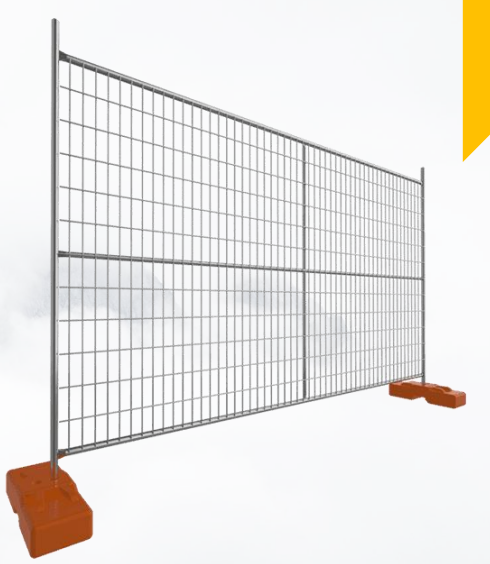
Welded Wire Mesh Fence
-
Produced by welding intersecting steel wires at right angles.
-
Can be galvanized or coated with PVC for increased corrosion resistance.
-
Commonly used in residential and industrial settings due to its strength and durability.
-
-
Chain Link Fence
-
Made by weaving steel wires in a diamond pattern.
-
Typically galvanized or PVC-coated to resist rust and corrosion.
-
Popular in sports facilities, schools, and security perimeters.
-
-
Expanded Metal Fence
-
Created by cutting and stretching metal sheets into a mesh pattern.
-
Offers high security and is resistant to cutting and penetration.
-
Used in military bases, prisons, and infrastructure protection.
-
-
Barbed Wire and Razor Wire Fencing
-
Manufactured by twisting steel wires with sharp barbs or edges.
-
Designed for high-security applications, including border protection and agricultural fencing.
-
-
Plastic Fence Mesh
-
Made from PVC or polyethylene materials through extrusion processes.
-
Lightweight, corrosion-free, and used in temporary fencing or agricultural applications.
-
Global Import and Export Ratios of Fencing Mesh
The fencing mesh industry is an integral part of international trade, with key players including China, the United States, Germany, India, and Brazil.
-
China: The Leading Exporter
-
China dominates the global fencing mesh market, accounting for over 40% of total exports.
-
Offers cost-effective production due to lower labor costs and advanced manufacturing techniques.
-
Main export destinations include the United States, Europe, Africa, and Southeast Asia.
-
-
Europe: A Significant Importer and Manufacturer
-
Countries like Germany, Italy, and the UK have strong fencing mesh industries but still rely on imports from China for cost-efficiency.
-
The European market demands higher-quality, eco-friendly materials with strict environmental regulations.
-
-
United States: A Major Consumer and Producer
-
Imports fencing mesh from China and Mexico while maintaining domestic production for premium-grade fencing.
-
The demand for fencing mesh in the US is driven by infrastructure projects, agricultural needs, and residential security.
-
-
Developing Markets: Africa and South America
-
Emerging markets in Africa and South America have growing demand for fencing mesh, especially for agricultural and security purposes.
-
These regions import a significant portion of their fencing materials from China and India due to cost advantages.
-
Usage Proportions in Different Sectors
The use of fencing mesh varies by industry and region:
-
Security and Infrastructure: Approximately 40% of fencing mesh is used for security applications, including prisons, military bases, and border control.
-
Agriculture: Around 30% is used in farming, ranching, and crop protection.
-
Residential and Commercial Properties: Roughly 20% is installed in private properties, parks, and business facilities.
-
Industrial Applications: About 10% is utilized in factories, warehouses, and logistics centers.
Market Differences and Consumer Preferences
Market demand for fencing mesh differs by region due to economic conditions, regulations, and cultural preferences.
-
North America and Europe
-
Preference for high-quality, durable fencing with advanced coatings and rust-proofing.
-
Stricter environmental policies encourage the use of eco-friendly and recyclable materials.
-
Higher demand for smart fencing with integrated security features like sensors and alarms.
-
-
Asia and the Middle East
-
Focus on cost-effective solutions for large-scale projects.
-
Growing investments in infrastructure and urban expansion drive demand.
-
Increased use of fencing for security in commercial and industrial sectors.
-
-
Africa and Latin America
-
Increasing demand for affordable fencing mesh, mainly for agriculture and rural development.
-
Governments and NGOs invest in fencing for land management and conservation efforts.
-
Future Trends in the Fencing Mesh Market
As the industry evolves, several key trends are shaping the future of fencing mesh:
-
Sustainable and Eco-Friendly Materials
-
Development of fencing made from recycled steel and biodegradable plastics.
-
Regulations pushing for lower environmental impact in production and disposal.
-
-
Smart and Automated Fencing
-
Integration of sensors, alarms, and AI-driven monitoring systems.
-
Growing interest in remote-controlled fencing for industrial and security applications.
-
-
Customization and Aesthetic Appeal
-
Rising demand for decorative fencing designs that blend security with style.
-
Personalized solutions for residential and commercial clients.
-
Conclusion
The fencing mesh industry has undergone significant transformations in the 21st century, with advances in production techniques, increasing global trade, and changing market preferences. China remains the dominant exporter, while developed regions prioritize quality and sustainability. The demand for fencing mesh continues to rise across security, agricultural, and industrial sectors, shaping future innovations in materials and technology. As global needs evolve, fencing mesh will remain a crucial element in infrastructure, security, and environmental management.
The Evolution and Expansion of Guardrail Nets in the 21st Century: Applications and Emerging Materials
The Role and Impact of Fencing Mesh in the 21st Century
Related Article