
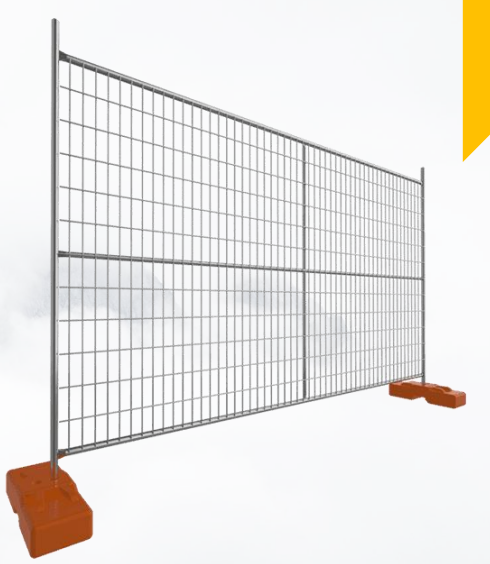
Outdoor Fence Mesh
Types of Outdoor Fence Mesh
-
Welded Wire Mesh Fence
-
Made from steel wires welded at intersections.
-
Provides high strength and durability.
-
Commonly used for residential, industrial, and agricultural fencing.
-
-
Chain Link Fence
-
Made from woven steel wires in a diamond pattern.
-
Cost-effective and easy to install.
-
Used for sports fields, residential properties, and security barriers.
-
-
Expanded Metal Fence
-
Made by cutting and stretching metal sheets.
-
Offers high security and resistance to cutting.
-
Used in high-security areas such as prisons and military facilities.
-
-
Barbed Wire Fence
-
Made from twisted wire with sharp barbs at intervals.
-
Provides strong security and deterrence.
-
Used in agricultural and military applications.
-
-
Razor Wire Fence
-
Consists of sharp-edged metal strips.
-
Highly effective in security-sensitive areas.
-
Used for prison perimeters and border protection.
-
-
Plastic Fence Mesh
-
Made from PVC or polyethylene.
-
Lightweight and resistant to corrosion.
-
Used in gardens, animal enclosures, and temporary fencing.
-
Applications of Outdoor Fence Mesh
Outdoor fence mesh serves various purposes across multiple industries:
-
Residential Use: Homeowners use welded wire and chain link fences to enclose properties and enhance security.
-
Agriculture: Barbed wire and welded mesh fences help in containing livestock and protecting crops.
-
Industrial Security: Factories and warehouses use expanded metal and razor wire fences to prevent unauthorized access.
-
Public Infrastructure: Schools, parks, and highways use chain link and welded wire fences for demarcation and safety.
-
Military and Prisons: High-security areas use razor wire and barbed wire fences for strict control and surveillance.
-
Construction Sites: Temporary fences made of plastic or welded wire mesh are used to secure construction areas.
Manufacturing Process
-
Material Selection: High-quality steel, aluminum, or plastic is selected based on application needs.
-
Wire Drawing: Metal is processed into wires of specific diameters.
-
Welding or Weaving: Wires are either welded at intersections or woven into patterns.
-
Galvanization or Coating: To prevent rust, metal fences are galvanized or coated with PVC.
-
Cutting and Shaping: The mesh is cut into desired sizes and framed for strength.
-
Inspection and Packaging: Final products are tested for durability and then packaged for distribution.
Advantages of Outdoor Fence Mesh
-
Durability: Metal fences, especially galvanized ones, resist corrosion and weather conditions.
-
Security: Razor wire, barbed wire, and welded mesh provide effective protection.
-
Versatility: Available in different sizes, styles, and materials for varied applications.
-
Easy Installation: Many types, such as chain link fences, are quick to install and require minimal maintenance.
-
Cost-Effective: Plastic and chain link fences offer affordable solutions for various fencing needs.
Disadvantages of Outdoor Fence Mesh
-
Aesthetic Limitations: Some types, such as barbed wire and chain link fences, may not be visually appealing.
-
Maintenance Needs: Rusting and wear require occasional maintenance for metal fences.
-
Security Concerns: Lower-grade fences can be cut or climbed, reducing their effectiveness in high-security areas.
-
Cost Variability: High-security options like razor wire fences can be expensive.
Conclusion
Outdoor fence mesh plays a crucial role in security, agriculture, and infrastructure. With a variety of types available, each serving different purposes, it is essential to choose the right material and design based on specific needs. While outdoor fence mesh offers durability, security, and affordability, factors like maintenance and aesthetic appeal should also be considered before installation.
Advantages, and Disadvantages of Outdoor Fence Mesh
Applications of Various Fencing Panels in Indoor Environments: Installation and Maintenance Considerations
Related Article