Applications of Various Fencing Panels in Indoor Environments: Installation and Maintenance Considerations
Applications of Fencing Panels in Indoor Environments
Indoor fencing can serve multiple purposes, from creating physical boundaries to enhancing aesthetic appeal or ensuring safety. Depending on the type of space and intended use, different types of fencing panels are employed indoors.
1. Security and Safety Fencing
In indoor environments, security is one of the primary reasons for using fencing panels. These fences are commonly used in sensitive areas such as offices, warehouses, and commercial properties to control access, secure valuable equipment, or prevent unauthorized access to restricted zones.
-
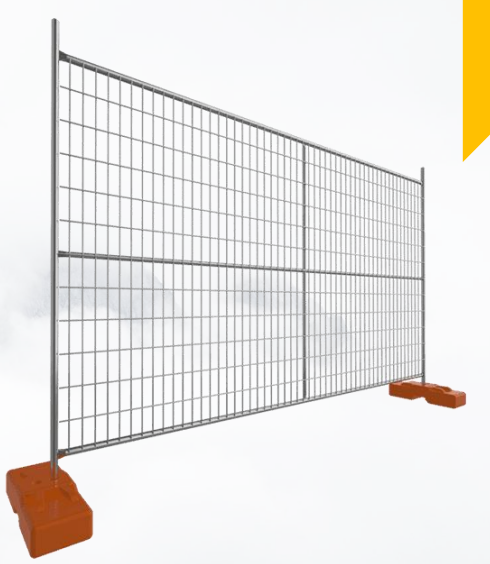
Welded Wire Fences: Welded wire fences are strong and versatile, making them ideal for securing specific areas within buildings such as storage rooms, warehouses, or server rooms. The small gaps between the wires provide visibility, making it easy to monitor the area while ensuring security.
-
Mesh Panel Fences: Mesh fences, often made from galvanized steel or coated wire, are used to enclose sensitive areas such as laboratories, data centers, or factory floors. These fences are durable, easy to maintain, and can be used to create invisible boundaries while maintaining airflow and visibility.
-
Palisade Fences: In commercial and industrial environments where security is critical, palisade fences (with vertical metal bars and pointed tops) are used to create secure zones. Although more common outdoors, they can also be used indoors for high-security areas like government buildings or server rooms.
2. Pet and Animal Enclosures
Indoor fencing is often used to create enclosures for pets and animals, offering a safe and controlled space. Fencing panels are ideal for defining play areas or creating barriers to prevent animals from accessing certain areas of the house or office.
-
Pet Fencing: For households with pets, such as dogs or cats, pet-friendly fences like mesh wire fences or plastic fencing panels are often used to enclose specific areas like playpens or rooms. These fences allow for the safe containment of pets while ensuring easy monitoring and interaction.
-
Small Animal Cages: Indoor fencing panels are also used to build cages for smaller animals like rabbits, guinea pigs, or birds. These fences are typically made of wire mesh and are designed to provide a safe and comfortable environment for small pets while allowing visibility for monitoring their activity.
3. Interior Partitioning and Space Division
Fencing panels are increasingly being used as interior partitions or space dividers in commercial spaces, offices, and open-plan environments. These fences help create designated areas within a larger room, improving organization, privacy, and functionality without the need for permanent walls.
-
Room Dividers: Wire mesh fences, PVC partitions, and acrylic panel fences are used in offices or retail spaces to divide open-plan areas. These temporary or semi-permanent barriers can be rearranged to suit changing office needs, such as dividing workstations or creating private meeting rooms.
-
Privacy Screens: Fencing panels made from materials like wood, fabric, or PVC can be used as privacy screens in offices, healthcare environments, or retail stores. These screens offer visual separation between different sections while contributing to the overall design and atmosphere of the space.
4. Decorative and Aesthetic Fencing
Indoor fencing panels also serve purely aesthetic purposes, contributing to the overall style and decor of a room or building. These decorative fences can be used to add texture, structure, or a visual focal point to both residential and commercial interiors.
-
Ornamental Fences: Decorative fencing made from wrought iron, aluminum, or wooden panels is used indoors to create a vintage or rustic aesthetic. These fences can be used around staircases, gardens, or as part of a room’s design, creating elegant boundaries or adding an artistic element to a space.
-
Gallery Fencing: Indoor fencing panels can be used in art galleries or museums to separate exhibits or create a controlled viewing area. These panels are often sleek and unobtrusive, allowing for clear sightlines while ensuring the protection of valuable works of art.
Installation Considerations for Indoor Fencing Panels
Installing fencing panels indoors involves different considerations compared to outdoor installations. While outdoor fencing needs to withstand weather conditions, indoor fences are generally exposed to fewer environmental stressors, but they still require proper installation to ensure functionality, safety, and durability.
1. Floor and Wall Compatibility
Before installing fencing panels indoors, it is important to assess the type of flooring or wall the fence will be anchored to. For instance, if the fence is being installed on a concrete floor, you will need anchors and screws that can securely attach to the hard surface. For wooden or drywall installations, it’s essential to use appropriate fasteners to avoid damaging the walls or floors.
-
Anchoring to the Floor: Ensure that the posts or panels are securely anchored to the floor. Concrete or tiled floors may require drill holes and the use of anchors, whereas carpeted or wooden floors may need alternative fastening methods like screws with wall anchors.
-
Wall Mounting: If the fence panels are to be attached to a wall, make sure that the wall material can support the weight of the fencing. For drywall, use wall anchors; for concrete or brick walls, use masonry anchors.
2. Height and Visibility
When installing fencing panels indoors, consider the height of the fence relative to the space. For security or animal enclosures, the height should be sufficient to prevent animals from escaping or unauthorized access to restricted areas. For decorative fences or space dividers, the height should be proportional to the room size, providing the desired visual effect without overwhelming the space.
-
Security Fences: For areas requiring privacy or safety, ensure that the fence is high enough to deter entry. A typical security fence indoors might range from 4 to 8 feet, depending on the purpose.
-
Room Dividers: For partitions or space dividers, the fence height should be low to medium (3-6 feet), ensuring it serves its function without obstructing sightlines or airflow.
3. Material Choice for Indoor Use
Indoor fencing materials need to be chosen based on the specific environment and usage. Factors such as weight, design, and finish are important to ensure the fence complements the space while offering durability and ease of maintenance.
-
Lightweight Materials: For indoor applications, lighter materials such as PVC, aluminum, and thin steel mesh panels are ideal. These materials are easy to install and move, especially for space partitions or temporary enclosures.
-
Aesthetic Design: If the fence serves a decorative purpose, choose materials that align with the interior design, such as wrought iron, wood, or fabric. These materials can provide both function and style in spaces like art galleries or retail stores.
4. Electrical Considerations
If installing electric fences (used for pet containment or security), ensure that the wiring is discreetly integrated into the design of the fence and safely connected to a power source. Proper insulation is key to avoid accidents, and it’s essential to follow electrical codes for indoor installations.
Maintenance Considerations for Indoor Fencing Panels
Indoor fences are generally easier to maintain than outdoor fences, but they still require regular care to ensure they remain in good condition and continue to function as intended.
1. Cleaning and Dusting
Depending on the material of the fence, regular cleaning and dusting are important to maintain its appearance and prevent dirt buildup. Fencing panels made from metal, PVC, or wood should be wiped down periodically with a damp cloth or a suitable cleaning product.
-
Metal Fences: Clean metal fences with a soft cloth and a mild detergent to remove dust and grime. For rust prevention, ensure that any exposed metal is coated or treated with rust-resistant paint.
-
Wooden Fences: Wooden fences should be dusted regularly and treated with a wood-safe cleaner to preserve their finish. Wood can dry out over time, so periodic re-staining or sealing may be necessary to maintain its integrity and appearance.
2. Repairs and Replacements
Inspect the fencing panels periodically for damage or wear, particularly in areas with frequent foot traffic or potential physical impact. For example, mesh fences may become bent or torn over time, requiring sections to be replaced.
-
Mesh Panels: If a section of the mesh becomes damaged, it can be patched or replaced with a new panel.
-
Wooden Fences: Wooden fences may require repair or re-coating over time, especially if exposed to moisture or physical damage.
3. Ensuring Stability
Check that all posts or mounting hardware are secure to prevent instability. Over time, screws may loosen, or panels may shift, especially in high-traffic areas. Tighten any loose fasteners and ensure that the panels are standing firm.
Conclusion
Fencing panels play a vital role in indoor environments, offering benefits ranging from security and safety to aesthetic appeal and space organization. Whether used in offices, homes, or commercial spaces, indoor fences provide practical and functional solutions. The key to their long-term success lies in careful installation, material selection, and regular maintenance. By understanding the specific needs of the space and choosing the right type of fencing, users can enjoy a durable, efficient, and visually pleasing result that enhances the indoor environment.
Outdoor Fence Mesh
Applications of Various Fencing Panels in Outdoor Environments: Installation and Maintenance Considerations
Related Article