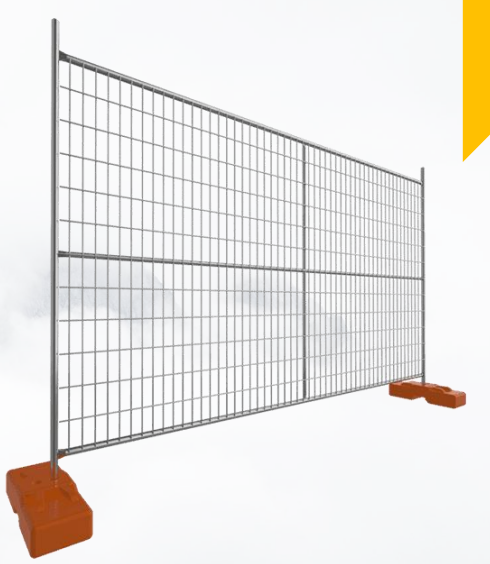
Applications of Various Fencing Panels in Outdoor Environments: Installation and Maintenance Considerations
Applications of Fencing Panels in Outdoor Environments
Fencing is critical in rural, agricultural, and wilderness areas for securing property, animals, and sensitive ecosystems. The specific type of fence to be used depends on the particular application, the terrain, and the environmental conditions. Below are some common fencing applications in the wild and outdoor environments:
1. Agricultural Fencing
Agriculture is one of the primary areas where fencing is used outdoors, as fences are crucial for protecting crops, marking boundaries, and keeping livestock contained. The types of fencing used in agricultural applications vary depending on the size and type of livestock or crops being protected.
-
Livestock Fencing: For cattle, horses, sheep, and other livestock, sturdy fences like woven wire fences, barbed wire fences, and electric fences are commonly used. Woven wire fences consist of a series of horizontal and vertical wires that are tightly woven together, forming a strong barrier against animals. Barbed wire fences are often employed to deter animals from trying to break through, while electric fences provide an additional deterrent through a mild shock to keep animals within a specific area.
-
Crop Protection Fences: Wire fences, including mesh wire fences and deer fencing, are used around agricultural fields to prevent animals such as deer, rabbits, and other wildlife from damaging crops. These fences are typically tall and robust enough to keep larger animals out while still allowing airflow and sunlight to reach the crops.
2. Wildlife Protection and Habitat Fencing
In certain regions, fencing is used to protect wildlife or fragile ecosystems. Wildlife fencing helps prevent animals from straying into human settlements or hazardous areas such as highways. It is also used to conserve natural habitats and prevent the encroachment of invasive species.
-
Wildlife Corridor Fencing: These fences are designed to guide animals safely across roads, reducing the risk of accidents. They are typically lower fences made from welded wire or mesh, allowing animals to pass underneath or through them safely.
-
Environmental Fencing: Environmental fences are used around natural reserves, wildlife sanctuaries, and protected areas. They help prevent human interference with fragile ecosystems while promoting biodiversity and maintaining natural wildlife corridors.
3. Security Fencing for Remote Areas
In remote areas or private properties located far from urban centers, security fencing plays an essential role in preventing trespassing and protecting against illegal activities. Strong, durable fencing is necessary to secure large land areas and deter unauthorized entry.
-
Razor Wire Fences: For high-security areas, such as military bases, power plants, or mining operations, razor wire fences are often used. The sharp blades of the wire make it difficult for intruders to breach the fence, and the presence of such fencing often serves as a strong deterrent.
-
Chain Link Fences: For less sensitive areas, chain link fences are widely used in the wild for their strength and ease of installation. With proper galvanization, chain link fences can withstand harsh outdoor conditions such as heavy winds and extreme temperatures.
4. Perimeter Fencing for Recreational Areas
Outdoor recreational areas, such as parks, campsites, hiking trails, and nature reserves, often require fencing to demarcate boundaries and ensure safety. These fences not only help to prevent people from wandering into restricted areas but also protect wildlife and plants from human interference.
-
Wooden Fences: In nature reserves or recreational parks, wooden fences may be used to provide a rustic, natural look while serving functional purposes. They help define areas for visitors to enjoy without disturbing the surrounding environment.
-
Mesh Wire Fences: Mesh wire fences are used in areas where a more open view is preferred, such as around hiking trails, to minimize visibility disruptions while still providing security and boundary definition.
Installation Considerations for Fencing Panels in Outdoor Environments
The installation process for outdoor fencing panels differs from urban installations due to the unique environmental factors and the size of the areas to be fenced. Here are several key installation considerations to keep in mind when installing fences in the wild or rural areas.
1. Site Assessment and Planning
Before starting the installation, a thorough site assessment is necessary to determine the most suitable type of fencing. This includes evaluating the terrain, soil conditions, vegetation, and any potential environmental hazards such as flooding or erosion. It’s important to check the layout of the property and any surrounding natural elements like trees, bushes, or rocks that may interfere with the fence’s stability.
- Surveying Boundaries: If the fence is intended to demarcate property lines, the boundaries must be clearly defined to avoid encroachment and legal disputes.
2. Choosing the Right Fencing Material
The choice of fencing material should be based on the specific needs of the outdoor area. For example, in agricultural settings, barbed wire or electric fences may be necessary to keep livestock contained. For wildlife protection, mesh wire or wooden fences may be more appropriate. Some key considerations when selecting materials include:
-
Durability: The material must be able to withstand outdoor conditions, including moisture, UV exposure, and extreme weather. Galvanized steel, PVC-coated wire, and treated wood are common choices for outdoor fencing due to their weather resistance.
-
Height: The height of the fence should be appropriate for the specific application. For livestock, the fence must be tall enough to prevent animals from jumping over, while for wildlife, the fence may need to be higher or have a different design to ensure effectiveness.
3. Post Installation and Foundation
For outdoor fences, post installation is a critical step to ensure long-term stability. Posts should be set deep enough into the ground to provide support and withstand environmental stresses like wind or heavy rain. Concrete is often used as a foundation, especially in areas with softer soil or where high security is needed.
- Spacing: Posts should be spaced according to the type of fence being installed. For example, barbed wire fences may require posts to be spaced further apart compared to mesh wire fences.
4. Consideration for Wildlife and Environmental Impact
When installing fencing in natural environments, special care must be taken to minimize the impact on local wildlife and the ecosystem. For example, fences around wildlife habitats or protected areas should allow for the movement of smaller animals or insects and should not obstruct natural migration routes.
Maintenance of Fencing Panels in Outdoor Environments
Fences installed in outdoor environments are exposed to a variety of harsh conditions, which means regular maintenance is essential to ensure their longevity and effectiveness. Here are key maintenance practices for fences in rural or wild areas.
1. Rust and Corrosion Prevention
Metal fences, such as welded wire, chain link, and barbed wire, are prone to rust and corrosion, especially when exposed to moisture or saltwater in coastal areas. To prevent this, fences should be galvanized or coated with rust-resistant materials like PVC. Regular inspections should be conducted to spot any signs of rust or corrosion, which should be addressed immediately by cleaning the affected areas and applying protective coatings.
2. Fence Tightening and Replacements
Wire fences, particularly those made from woven wire or barbed wire, may loosen over time due to weather conditions or animal pressure. It is important to regularly inspect the tension of the wires and tighten them as necessary. Similarly, damaged or worn-out wire sections should be replaced to maintain the fence’s effectiveness.
3. Wooden Fence Care
Wooden fences need more frequent maintenance due to their susceptibility to rot, insect infestation, and weathering. To keep wooden fences in good condition, they should be treated with preservatives every few years, and any damaged or rotting sections should be replaced immediately. Additionally, wooden fences may need to be repainted or re-stained to protect against UV damage.
4. Vegetation Control
Vegetation growing near or on fences can weaken the structure, obstruct visibility, or create access points for animals to breach the fence. Regular trimming and clearing of vegetation around fences is essential, particularly in agricultural and wildlife protection settings.
Conclusion
Fencing in outdoor environments is essential for a variety of purposes, from securing livestock and crops to protecting natural habitats and wildlife. The choice of fencing material, installation methods, and ongoing maintenance are crucial factors in ensuring that the fence performs effectively and lasts for years. Whether used for agricultural, security, or recreational purposes, outdoor fences must be designed and maintained with care to withstand the challenges posed by nature. By taking into account the terrain, environmental conditions, and specific needs of the area, property owners can install a fence that not only serves its intended purpose but also enhances the safety and sustainability of outdoor spaces.
Applications of Various Fencing Panels in Indoor Environments: Installation and Maintenance Considerations
Applications of Various Fencing Panels in Urban Areas: Installation and Maintenance Considerations
Related Article