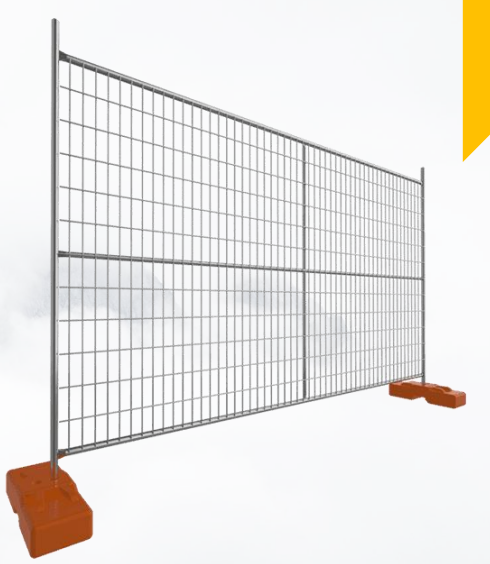
Applications of Various Fencing Panels in Urban Areas: Installation and Maintenance Considerations
Applications of Fencing Panels in Urban Areas
Urban areas present unique challenges when it comes to fencing needs. High population density, varied infrastructure, and diverse security requirements all demand specialized fencing solutions. The most common types of fencing used in cities are chain link fences, welded wire fences, palisade fences, and decorative fences. Each has its own advantages depending on the application.
1. Security Fencing
Security is one of the most critical applications for fences in urban environments. High-security fences, such as welded wire fences and palisade fences, are commonly used in settings where protection from intruders is a top priority.
-
Welded Wire Fences: These fences are strong and durable, with welded joints providing a robust barrier. They are commonly used around commercial properties, industrial complexes, and government buildings.
-
Palisade Fences: With their pointed tops and vertical bars, palisade fences are a popular choice for high-security installations, including prisons, military facilities, and sensitive government buildings. Their intimidating appearance also acts as a deterrent to potential intruders.
2. Perimeter Fencing for Residential Areas
In urban residential areas, fencing panels are often used to demarcate property boundaries, provide privacy, and improve security. PVC-coated or wooden fences are commonly used here, as they offer a balance of privacy and aesthetic appeal.
-
PVC Fences: These fences are popular in residential areas due to their low maintenance and long lifespan. They are available in various colors and designs, providing privacy while blending well with the urban landscape.
-
Wooden Fences: Wooden fences offer a natural, rustic look and are often used in suburban neighborhoods. While requiring more maintenance than PVC, wooden fences provide a high degree of privacy and contribute to the overall aesthetic of residential areas.
3. Traffic Barriers and Roadside Fencing
Fencing is also essential for managing traffic flow and enhancing road safety in urban environments. Chain link fences and other robust fencing systems are commonly used along highways, busy roads, and pedestrian zones to prevent accidents and direct traffic.
-
Chain Link Fences: These are frequently used in cities as roadside barriers or around construction zones. Their transparent mesh structure allows for visibility, making them an effective option for preventing pedestrians or vehicles from straying into hazardous areas.
-
Guardrail Fences: These fences are specifically designed to prevent vehicles from veering off roads and into dangerous areas, such as cliffs or construction zones. Typically made from steel, guardrails are robust and highly durable.
4. Public Space Enclosures
Urban parks, playgrounds, and other public spaces require fencing systems to ensure safety, privacy, and clear boundaries. In such spaces, fences are typically designed to provide protection while blending seamlessly into the environment.
-
Decorative Fences: Ornamental fences made from wrought iron, aluminum, or steel are commonly used around parks, gardens, and sports fields. These fences often feature decorative elements, contributing to the aesthetics of public spaces while providing safety and security.
-
Mesh Fences for Parks: Welded wire or chain link fences with a PVC coating are often used around playgrounds or sports courts. These fences provide adequate security for children and prevent unauthorized access to certain areas.
Installation Considerations for Fencing Panels
Proper installation of fencing panels is crucial to ensuring their effectiveness, durability, and longevity. Several factors must be considered when installing fences in urban environments.
1. Site Survey and Planning
Before installation, a thorough site survey is essential. This includes measuring the area, considering terrain, and identifying any obstacles that could affect the installation process. In urban settings, it is also important to check for underground utilities, such as water pipes, electrical cables, or sewage lines, to avoid any accidental damage during installation.
2. Choosing the Right Fencing Type
The choice of fence type will depend on the intended application. For high-security areas, welded wire or palisade fences are ideal, while PVC or wooden fences are better suited for residential areas. For public spaces or parks, decorative fences or mesh fences are more appropriate.
3. Posts and Foundations
Fence posts play a crucial role in maintaining the structural integrity of the fence. In urban areas, where soil conditions may vary, it's important to choose the appropriate foundation type for fence posts. Concrete foundations are commonly used to secure posts, ensuring that the fence remains stable even in harsh weather conditions or high-traffic areas.
-
Post Installation: Posts should be installed at regular intervals (usually 2 to 3 meters apart) and set deep enough into the ground to ensure stability. In areas with soft soil or high winds, deeper foundations may be necessary to prevent the fence from leaning or collapsing.
-
Leveling: It's important to ensure that the fence is level during installation. Uneven ground can result in gaps, which may affect the fence's functionality, especially for security or privacy fences.
4. Material Selection and Coating
The material chosen for the fence should be compatible with the local climate and environmental conditions. For urban areas, weather-resistant materials such as galvanized steel, PVC-coated steel, or powder-coated aluminum are preferred. Additionally, fences should be treated with coatings that protect against rust, UV rays, and other weather-related damage.
5. Compliance with Local Regulations
In urban areas, fencing installations are often subject to local building codes, zoning laws, and safety regulations. It's essential to ensure that the fence complies with these rules. This may involve obtaining permits, adhering to height restrictions, or ensuring that the fence does not obstruct views or traffic lines.
Maintenance of Fencing Panels in Urban Areas
Regular maintenance of fence panels is necessary to extend their lifespan and preserve their appearance and functionality. The type of maintenance required will vary depending on the material of the fence.
1. Steel Fences (Welded Wire, Chain Link, Palisade)
-
Rust Prevention: Steel fences, especially those that are galvanized, need to be inspected for signs of rust. If any rust is noticed, it should be treated immediately by scraping the affected areas and applying a rust-resistant primer and paint.
-
Cleaning: Steel fences should be cleaned regularly to remove dirt, debris, and pollutants. This can be done using a power washer or a hose with mild detergent.
2. PVC Fences
-
Cleaning: PVC fences are low-maintenance but should still be cleaned periodically to remove dirt, stains, or mold. A soft cloth or sponge with warm soapy water is sufficient to clean most PVC fences.
-
Damage Repair: In case of cracks or chips, PVC fences can be repaired using a plastic repair kit or by replacing the damaged sections of the panel.
3. Wooden Fences
-
Sealing and Staining: Wooden fences should be sealed or stained every few years to protect them from moisture, insects, and UV damage. This also helps maintain the fence's aesthetic appeal.
-
Inspection: Regularly inspect wooden fences for signs of rot, warping, or insect infestation. Damaged sections should be replaced promptly to maintain the fence’s structural integrity.
4. Decorative Fences
- Inspection for Wear and Tear: Wrought iron, aluminum, or ornamental fences should be checked periodically for rust or paint chipping. Any damaged areas should be cleaned and repainted to maintain the fence's appearance.
5. General Maintenance Tips
-
Lubricating Moving Parts: Gates and locks should be lubricated regularly to ensure smooth operation.
-
Tree and Plant Growth: Keep vegetation away from the fence to prevent roots from damaging the panels and to avoid interference with the fence’s structural stability.
Conclusion
Fencing panels are integral to urban infrastructure, providing security, privacy, and aesthetic value to a wide range of environments. Whether for residential properties, commercial complexes, or public spaces, there is a fence type suitable for each need. Proper installation, regular maintenance, and adherence to local regulations are essential for ensuring that urban fences remain functional and visually appealing over time. By understanding the applications, installation guidelines, and maintenance requirements, city planners and property owners can make informed decisions to enhance both the safety and appearance of their urban spaces.
Applications of Various Fencing Panels in Outdoor Environments: Installation and Maintenance Considerations
Understanding Fence Panels: Materials, Manufacturing Processes, and Weight Calculation Methods
Related Article