Understanding Fence Panels: Materials, Manufacturing Processes, and Weight Calculation Methods
Materials Used in Fencing Panels
The materials used to make fences greatly affect their durability, strength, cost, and aesthetic appeal. Here are the most common materials used in fencing panels:
1. Steel
Steel is one of the most commonly used materials for making fence panels due to its strength, durability, and versatility. Steel fences are ideal for both security and aesthetic purposes. They can be galvanized, powder-coated, or PVC-coated to improve their resistance to corrosion and extend their lifespan.
- Galvanized Steel: Steel that has been coated with zinc to prevent rust and corrosion. It is commonly used for industrial, commercial, and residential fences.
- Stainless Steel: Known for its superior resistance to rust and corrosion, stainless steel is used in high-end fences and those exposed to harsh environments, like coastal areas.
2. Aluminum
Aluminum is lightweight, rust-resistant, and offers a more aesthetically pleasing look compared to steel. While it may not be as strong as steel, it is often chosen for decorative fences and areas where weight is a concern.
- Powder-Coated Aluminum: Aluminum can be powder-coated in a variety of colors to enhance its appearance and durability. It is typically used for residential fences, ornamental gates, and garden fencing.
3. Wrought Iron
Wrought iron is a classic fencing material known for its strength and ornamental appeal. It is heavier and more rigid than aluminum but also more prone to rust unless properly treated.
- Powder-Coated or Painted Wrought Iron: This treatment is applied to prevent rust and improve aesthetics, especially in more decorative fence designs.
4. PVC (Polyvinyl Chloride)
PVC is a synthetic material often used for privacy fences or decorative fences in residential settings. It is lightweight, low-maintenance, and available in various colors and styles. Unlike metal fences, PVC fences do not require painting and are resistant to rotting and fading.
5. Wood
Wooden fences are still a popular choice for both aesthetic and practical purposes. Common wood types include cedar, pine, and redwood. Wood is often used in residential settings and provides a natural, rustic appearance.
- Pressure-Treated Wood: Wood that has been treated with preservatives to prevent rot and insect damage, making it more suitable for outdoor use.
6. Mesh Wire (Welded and Chain Link)
Wire mesh fences are commonly used in both residential and commercial applications. They are made by weaving or welding steel wire into a mesh pattern. These fences are often galvanized or coated with PVC to prevent rust.
- Chain Link Fences: Made by weaving steel wire into a diamond pattern, chain link fences are commonly used for perimeter security, particularly in industrial and public spaces.
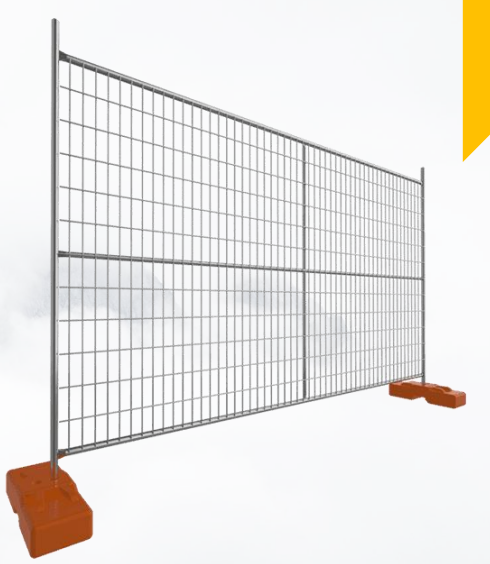
- Welded Wire Fences: These are made by welding steel wires at their intersections to form a rigid, durable panel. This type of fence is stronger than chain link fences and is often used for high-security applications.
Manufacturing Processes of Fencing Panels
Each type of fence panel requires a different production process to achieve its intended design and functionality. Below are the general steps involved in the manufacturing process for common fence materials:
1. Chain Link Fences
- Wire Drawing: Steel wire is drawn through progressively smaller dies to achieve the desired diameter. This wire is then coated with zinc for galvanization.
- Weaving: The galvanized wire is woven into a diamond-shaped mesh using mechanical looms or weaving machines.
- Coating: For additional protection against corrosion, the fence may be coated with a layer of PVC or polymer.
- Cutting and Packaging: The finished mesh is cut into the required panel size, folded, and packaged for shipment.
2. Welded Wire Fences
- Wire Preparation: Steel wire is straightened and cut to length.
- Welding: The wires are welded at their intersections using an automatic welding machine, creating a rigid mesh grid.
- Galvanization: The welded wire panels are either hot-dip galvanized or electro-galvanized for rust resistance.
- Coating: PVC or powder coatings may be applied to further enhance durability and provide an aesthetic finish.
- Panel Cutting and Framing: The panels are cut to the required size and may be framed with steel tubes to provide extra support.
3. Palisade Fences
- Material Cutting: Steel or other materials are cut into vertical pales (vertical bars).
- Punching and Drilling: The vertical pales are punched or drilled for fixing them to horizontal rails.
- Welding and Assembly: The vertical pales are welded or bolted into horizontal rails, forming panels.
- Galvanization: The assembled panels are often galvanized or powder-coated for corrosion protection.
- Assembly and Packaging: After the finishing touches, the panels are assembled, inspected, and prepared for dispatch.
4. Wooden Fences
- Wood Cutting and Shaping: Wood panels are cut to the desired size and shape, and sometimes treated with preservatives.
- Assembly: The wood is then assembled into fence panels, either using nails, screws, or wooden dowels for securing.
- Treatment: Wood is treated with chemical preservatives to extend its lifespan by protecting it from rot and insect damage.
- Finishing: After assembly, wood may be stained or painted to add color and improve weather resistance.
Weight Calculation Methods for Fence Panels
The weight of a fence panel is crucial for estimating material costs, transportation, and installation. The weight calculation varies depending on the type of material, panel size, and construction method.
1. Chain Link Fence Weight Calculation
For chain link fences, the weight can be calculated based on the wire gauge (thickness), mesh size, and panel dimensions. A typical formula for chain link fence weight is:
Where:
- Length is the horizontal length of the panel.
- Height is the vertical height of the panel.
- Weight per unit area is the weight of the material (usually given in kilograms per square meter).
2. Welded Wire Fence Weight Calculation
To calculate the weight of welded wire fence panels, the following factors need to be considered: wire gauge, panel size, and the number of welds. A general formula for welded wire fences is:
Weight=Length×Height×Wire Weight per meter\text{Weight} = \text{Length} \times \text{Height} \times \text{Wire Weight per meter}Weight=Length×Height×Wire Weight per meterThe wire weight per meter is determined by the wire gauge and the material used (usually steel).
3. Palisade Fence Weight Calculation
Palisade fences are heavier due to the thicker gauge of the material. The weight calculation can be done by multiplying the number of pales, rail thickness, and panel length by their respective material densities:
Weight=(Number of Pales×Weight per Pale)+(Number of Rails×Weight per Rail)\text{Weight} = \left(\text{Number of Pales} \times \text{Weight per Pale} \right) + \left(\text{Number of Rails} \times \text{Weight per Rail}\right)Weight=(Number of Pales×Weight per Pale)+(Number of Rails×Weight per Rail)4. Wooden Fence Weight Calculation
For wooden fences, the weight depends on the type of wood used, the thickness of the boards, and the length and height of the fence. A typical formula might look like this:
Weight=Length×Height×Wood Density per Cubic Meter\text{Weight} = \text{Length} \times \text{Height} \times \text{Wood Density per Cubic Meter}Weight=Length×Height×Wood Density per Cubic MeterDifferent wood types have varying densities (e.g., cedar vs. pine), and this will impact the final weight.
Conclusion
Fencing panels come in a variety of materials, each with its own set of benefits and applications. Understanding the manufacturing processes and weight calculation methods for each type of fence is crucial when making decisions about purchasing and installing fences. By considering the material type, manufacturing process, and weight, you can ensure that the fence chosen is appropriate for your needs in terms of security, durability, and cost-effectiveness.
Applications of Various Fencing Panels in Urban Areas: Installation and Maintenance Considerations
Understanding Fence Panels: Manufacturing Processes, Raw Materials, and Purchasing Specifications
Related Article