Understanding Fence Panels: Manufacturing Processes, Raw Materials, and Purchasing Specifications
Understanding Fence Panels: Manufacturing Processes, Raw Materials, and Purchasing Specifications
Fences have been an integral part of human settlements for centuries, serving as boundaries, security barriers, and aesthetic enhancements for properties. Today, the variety of fence panels available in the market caters to different needs, ranging from residential properties to industrial complexes and agricultural lands. Understanding the intricate details of fence manufacturing, raw materials used, and key specifications can guide buyers in making informed decisions. This article delves into the manufacturing processes of various fence panels, explores the raw materials involved, and outlines the essential specifications to consider during procurement.
Manufacturing Processes of Fence Panels
The manufacturing process of fence panels can vary significantly depending on the type of fence and its intended application. Below, we explore the processes for some of the most common types of fences:
1. Chain Link Fence Manufacturing
Chain link fences are a staple in both residential and industrial applications due to their durability, cost-effectiveness, and ease of installation. The manufacturing process involves several steps:
-
Wire Drawing: The process begins with the drawing of steel wire from metal rods. The wire is pulled through dies to achieve the desired diameter, typically ranging from 2 mm to 5 mm.
-
Galvanization: To enhance the wire's resistance to corrosion, it undergoes a galvanization process. This involves coating the wire with a layer of zinc, providing protection against rust and extending its lifespan.
-
Weaving: The galvanized wire is then woven into a diamond-shaped mesh using specialized machinery. This step is crucial as it determines the mesh's aperture size, which can be customized according to the application, typically ranging from 25 mm to 100 mm.
-
Cutting and Bending: The woven mesh is cut into panels of desired lengths and widths. The edges are bent or knuckled to enhance safety and structural integrity.
-
Coating: For added protection and aesthetics, the fence panels may be coated with PVC or powder paint, available in various colors such as green, black, and white.
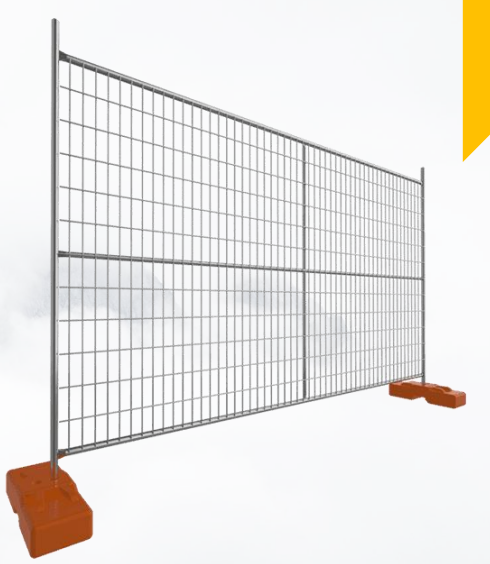
2. Welded Wire Fence Manufacturing
Welded wire fences offer superior strength and security compared to chain link fences. The manufacturing process involves:
-
Wire Selection: High-tensile steel wire is selected, ensuring robustness and durability.
-
Wire Straightening and Cutting: The wire is straightened and cut to precise lengths required for vertical and horizontal wires.
-
Welding: The wires are welded at intersections to form a rigid grid pattern. This welding is performed by automated machines that ensure uniformity and strength.
-
Galvanization: Post-welding, the panels are typically galvanized to prevent rusting and enhance longevity.
-
Coating: Similar to chain link fences, welded wire fences can also receive an additional PVC or powder coating for improved aesthetics and weather resistance.
-
Panel Framing: Depending on the design, the welded mesh panels may be framed with steel tubes to provide added stability and support.
3. Palisade Fence Manufacturing
Palisade fences are favored for their high-security features and imposing appearance. The manufacturing process includes:
-
Material Cutting: Steel sheets are cut into vertical pales using precision cutting tools. The pales are then shaped into profiles such as "D" or "W" to enhance strength.
-
Punching and Drilling: Holes are punched or drilled into the pales for easy assembly with horizontal rails.
-
Surface Treatment: To protect against corrosion, the pales undergo surface treatments such as hot-dip galvanization or electroplating.
-
Assembly: The pales are attached to horizontal rails using bolts or rivets, forming robust panels. These panels are then mounted onto posts for installation.
-
Coating: A final layer of powder coating or paint is applied for additional protection and visual appeal.
4. Expanded Metal Fence Manufacturing
Expanded metal fences are known for their unique mesh pattern and strength. The manufacturing process involves:
-
Metal Sheet Selection: Steel or aluminum sheets are selected based on the required thickness and strength.
-
Expanding: The sheets are fed into an expanding machine, where they are simultaneously cut and stretched to form diamond-shaped openings. This process increases the sheet's overall strength.
-
Flattening (Optional): For certain applications, the expanded metal may be flattened to achieve a smoother surface.
-
Cutting and Finishing: The expanded metal is cut into panels of specified dimensions, and any sharp edges are smoothed out for safety.
-
Surface Treatment: Galvanization or powder coating is applied to enhance durability and corrosion resistance.
Raw Materials Used in Fence Manufacturing
The selection of raw materials plays a critical role in determining the quality, durability, and performance of fence panels. Here are some common materials used:
1. Steel
Steel is the most widely used material in fence manufacturing due to its strength, versatility, and recyclability. It is commonly used for chain link fences, welded wire fences, palisade fences, and expanded metal fences. Galvanized steel, in particular, offers excellent corrosion resistance, making it ideal for outdoor applications.
2. Aluminum
Aluminum is a lightweight and corrosion-resistant alternative to steel. It is often used in decorative fences, gates, and railing systems. While not as strong as steel, aluminum's resistance to rust makes it suitable for environments with high humidity or salt exposure.
3. PVC (Polyvinyl Chloride)
PVC is used as a coating material to enhance the durability and aesthetics of metal fences. It provides a layer of protection against rust and UV damage, while also offering a wide range of color options. PVC-coated fences are popular in residential and commercial settings for their low maintenance requirements.
4. Wood
Although less common in industrial settings, wood is still used in certain fence applications for its natural appearance and versatility. Pressure-treated wood and hardwoods like cedar and redwood are chosen for their resistance to decay and insects.
5. Concrete
Concrete is often used for fence posts and foundations, providing stability and strength to the overall structure. Precast concrete panels are also used in security fences for their robustness and noise-reducing properties.
Specifications to Consider When Purchasing Fence Panels
When procuring fence panels, several key specifications must be considered to ensure they meet the intended application's requirements. Here are essential factors to evaluate:
1. Material Grade and Quality
-
Steel Grade: Ensure the steel used in the fence panels meets industry standards for strength and durability. Common grades include ASTM A36 for structural steel and ASTM A392 for chain link fences.
-
Galvanization Standard: Check the galvanization process's thickness and quality. Hot-dip galvanization provides superior corrosion resistance compared to electro-galvanization.
-
Coating Quality: If the fence panels are coated with PVC or powder paint, verify the coating's thickness and adhesion quality. The coating should withstand UV exposure, weather conditions, and mechanical wear.
2. Mesh Size and Wire Diameter
-
Chain Link Fences: Specify the mesh aperture size and wire diameter based on security needs. Smaller apertures and thicker wires offer higher security levels.
-
Welded Wire Fences: Determine the mesh spacing and wire gauge, ensuring they align with the site's security and visibility requirements.
3. Panel Dimensions
-
Height and Width: Choose panel dimensions that suit the site's specific requirements. Higher panels offer greater security, while wider panels reduce the number of posts needed.
-
Panel Thickness: For added strength, consider panels with thicker materials, especially for high-security applications.
4. Security Features
-
Anti-Climb Designs: For enhanced security, select fence panels with anti-climb features such as sharp edges, pointed tops, or tightly spaced mesh.
-
Barbed or Razor Wire: Consider adding barbed wire or razor wire to the top of the fence for increased deterrence.
5. Installation and Maintenance Requirements
-
Installation Ease: Evaluate the fence panels' installation complexity, ensuring they align with the available labor and equipment.
-
Maintenance Needs: Consider the maintenance requirements of the chosen fence type. Some materials, like PVC-coated steel, require minimal upkeep compared to untreated wood or metal.
6. Cost and Budget Considerations
-
Material and Manufacturing Costs: Compare the cost of different fence materials and manufacturing processes, considering the long-term benefits and potential savings.
-
Total Ownership Cost: Factor in installation, maintenance, and replacement costs to determine the fence's total cost of ownership over its lifespan.
7. Regulatory Compliance
-
Local Regulations: Ensure the selected fence panels comply with local building codes, zoning regulations, and safety standards.
-
Industry Standards: Verify that the fence panels meet relevant industry standards, such as ASTM, ISO, or CE certifications.
Conclusion
Fence panels are an essential component of various applications, offering security, privacy, and aesthetic appeal. Understanding the manufacturing processes, raw materials, and key specifications is crucial for selecting the right fence solution for specific needs. By considering these factors, buyers can make informed decisions that ensure the chosen fence panels meet the required performance standards and deliver long-term value. As technology and materials continue to evolve, the future of fence manufacturing promises innovative solutions that cater to the diverse needs of residential, commercial, and industrial markets.
Understanding Fence Panels: Materials, Manufacturing Processes, and Weight Calculation Methods
Industrial Fences: Applications, Introduction, and History
Related Article