Industrial Fences: Applications, Introduction, and History
Industrial Fences: Applications, Introduction, and History
Industrial fences are a cornerstone of modern industrial facilities, providing essential security, privacy, and boundary demarcation. From ancient times to the present day, fences have evolved significantly, adapting to the growing needs of industries around the world. This article delves into the applications of various industrial fences, explores their introduction, and traces their historical development. Industrial fences are not only critical for safeguarding assets but also play a pivotal role in ensuring the safety and compliance of industrial operations.
Introduction to Industrial Fences
Industrial fences are specialized barriers designed to protect industrial sites, such as factories, warehouses, chemical plants, and energy facilities, from unauthorized access, theft, and vandalism. Unlike residential fences, industrial fences are built to withstand harsh environments, offer higher security levels, and comply with specific regulatory standards.
These fences are constructed using durable materials such as steel, aluminum, and PVC, tailored to meet the diverse needs of industrial applications. They come in various types, each serving a unique purpose and offering distinct benefits.
Applications of Industrial Fences
1. Security and Protection
One of the primary applications of industrial fences is security. Industrial sites often house valuable equipment, raw materials, and sensitive information that require protection from theft, trespassing, and sabotage. Industrial fences serve as a formidable barrier, deterring unauthorized access and ensuring that only authorized personnel can enter the premises.
2. Safety and Compliance
Industrial facilities must adhere to strict safety regulations to protect employees, visitors, and the surrounding community. Fences play a critical role in maintaining safety by clearly delineating hazardous areas, preventing accidental entry, and minimizing potential exposure to dangerous substances or processes. Regulatory compliance with occupational safety standards is crucial, and industrial fences help achieve these objectives.
3. Perimeter Control
Fences define the boundaries of industrial properties, preventing encroachments and disputes with neighboring lands. Perimeter control is vital for logistics, traffic management, and operational efficiency. Industrial fences enable efficient movement of goods and personnel, contributing to the smooth functioning of the facility.
4. Noise and Visual Screening
Industrial operations often generate noise and unsightly views that can affect nearby communities. Fences equipped with sound-absorbing materials and visual barriers help mitigate noise pollution and provide an aesthetically pleasing appearance. This application enhances community relations and ensures compliance with local regulations.
5. Asset Protection
Industrial sites frequently store valuable assets such as machinery, vehicles, and raw materials. Fences safeguard these assets from environmental factors, theft, and vandalism. Robust fencing solutions are essential for protecting equipment and inventory, minimizing losses, and maintaining operational continuity.
6. Wildlife and Environmental Management
In regions where wildlife poses a risk to industrial operations, fences act as a barrier to prevent animals from entering the premises. This application is particularly important in remote areas where wildlife encounters can lead to safety hazards and operational disruptions. Additionally, fences help contain hazardous materials, preventing environmental contamination.
Types of Industrial Fences
1. Chain Link Fences
Chain link fences are widely used in industrial applications due to their affordability, versatility, and ease of installation. Composed of galvanized or coated steel wire, these fences provide a balance between security and visibility. They are commonly used for perimeter security, equipment enclosures, and temporary site protection.
2. Welded Wire Fences
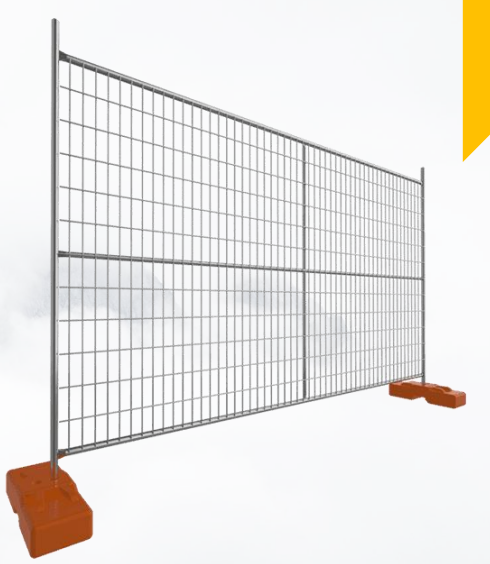
Welded wire fences offer enhanced security compared to chain link fences. Constructed with welded steel mesh panels, these fences are more rigid and resistant to cutting and tampering. They are suitable for high-security areas such as power plants, research facilities, and storage yards.
3. Palisade Fences
Palisade fences are known for their formidable appearance and high-security features. Made from vertical steel pales, these fences are designed to deter climbing and intrusion. They are often used in critical infrastructure sites, military installations, and areas requiring maximum security.
4. Expanded Metal Fences
Expanded metal fences are constructed from sheets of metal that are cut and stretched to form a mesh pattern. This design provides superior strength and resistance to cutting and impact. Expanded metal fences are used in high-security applications, including prisons, airports, and chemical plants.
5. Electric Fences
Electric fences are a popular choice for industrial sites seeking a heightened level of security. These fences deliver a non-lethal electric shock upon contact, deterring potential intruders. Electric fences are commonly used in combination with other fencing solutions to provide comprehensive security coverage.
History of Industrial Fences
The history of industrial fences dates back to ancient civilizations, where barriers were used to protect valuable resources and settlements. The concept of fencing has evolved over time, reflecting advancements in materials, technology, and security needs.
Ancient and Medieval Periods
In ancient times, natural materials such as wood and stone were used to construct fences around settlements and agricultural lands. These early fences served as basic deterrents against wildlife and intruders. During the medieval period, fortifications and walls became more elaborate, incorporating moats, battlements, and gates to enhance defense.
Industrial Revolution
The Industrial Revolution marked a turning point in the history of fencing. The rapid growth of industries and urbanization created a demand for more robust security measures. Iron and steel became the primary materials for fence construction, leading to the development of more sophisticated designs.
During this period, chain link fences emerged as a popular choice due to their affordability and versatility. The invention of barbed wire in the late 19th century further revolutionized fencing by providing a cost-effective solution for securing large areas.
20th Century and Modern Developments
The 20th century saw significant advancements in fencing technology and materials. Welded wire fences gained popularity for their enhanced security features, while palisade fences became a standard choice for high-security applications. The introduction of electric fences provided an innovative approach to perimeter security, offering an effective deterrent against intruders.
In recent years, technological innovations have led to the integration of electronic surveillance systems with fences, enhancing security capabilities. Access control systems, CCTV cameras, and alarm systems are now commonly integrated with industrial fences to provide comprehensive security solutions.
The Future of Industrial Fences
As industries continue to evolve, so too will the requirements for industrial fencing solutions. The future of industrial fences will likely be shaped by technological advancements, environmental considerations, and changing security needs.
Smart Fencing Solutions
The rise of the Internet of Things (IoT) and smart technologies is expected to influence the future of industrial fences. Smart fencing solutions equipped with sensors, cameras, and connectivity features will enable real-time monitoring and data analysis. These systems will provide actionable insights into security breaches, maintenance needs, and operational efficiency.
Sustainable Materials
Environmental sustainability is becoming a key consideration in industrial practices. The future of industrial fences may involve the use of eco-friendly materials, such as recycled metals and biodegradable coatings. Sustainable fencing solutions will align with the growing emphasis on reducing environmental impact and promoting responsible resource management.
Integration with Artificial Intelligence
Artificial intelligence (AI) is poised to play a significant role in enhancing industrial fence capabilities. AI-driven analytics can process data from surveillance systems, identifying patterns and anomalies to detect potential threats. Predictive maintenance powered by AI will optimize fence upkeep, ensuring long-term performance and reliability.
Customizable Designs
The demand for customizable fencing solutions is expected to grow as industries seek to balance security, aesthetics, and functionality. Modular designs that allow for easy installation, expansion, and adaptation will cater to the evolving needs of industrial facilities.
Enhanced Security Features
The ongoing threat landscape necessitates continuous improvements in security features. Future industrial fences may incorporate advanced technologies such as biometric access control, facial recognition, and drone surveillance to provide comprehensive protection against emerging threats.
Conclusion
Industrial fences have come a long way since their early origins, evolving into sophisticated solutions that address the diverse needs of modern industries. From security and safety to environmental management and technological integration, industrial fences play a vital role in shaping the industrial landscape. As industries continue to advance, the future of industrial fencing holds exciting possibilities, driven by innovation, sustainability, and a commitment to safeguarding assets and operations.
Industrial fences will remain an essential component of industrial infrastructure, adapting to meet the challenges of a dynamic world while ensuring the safety, security, and efficiency of industrial sites across the globe.
Understanding Fence Panels: Manufacturing Processes, Raw Materials, and Purchasing Specifications
Composition, Advantages, and Lifespan of Various Industrial Fence Panels
Related Article