Composition, Advantages, and Lifespan of Various Industrial Fence Panels
Composition, Advantages, and Lifespan of Various Industrial Fence Panels
Introduction
Industrial fence panels are a crucial component in securing and managing large industrial spaces such as factories, warehouses, power plants, and other facilities that require high-level security and safety measures. These fences serve multiple purposes, including perimeter security, property delineation, safety compliance, and aesthetic enhancement. The choice of fencing material and design depends on specific needs such as security level, durability, cost, and environmental considerations. This article explores the composition, advantages, and expected lifespan of different types of industrial fence panels, highlighting their importance in industrial settings.
Types of Industrial Fence Panels
1. Chain Link Fences
-
Composition:
- Chain link fences are constructed from galvanized steel wire woven into a diamond pattern mesh. The wire is usually coated with zinc or PVC to provide corrosion resistance. The mesh is then attached to steel or aluminum posts set in concrete to form a sturdy perimeter fence.
-
Advantages:
- Cost-Effective: Chain link fences are one of the most economical fencing options for industrial use. Their low material and installation costs make them an attractive choice for large areas.
- Durability: The galvanized steel construction provides significant durability and resistance to environmental factors, including harsh weather conditions, making them suitable for long-term use.
- Security: While not the most secure option, chain link fences provide a reasonable level of security and can be enhanced with barbed wire or razor wire for increased protection.
- Visibility: The open mesh design allows for visibility, making it easy for security personnel to monitor activities within and around the fenced area.
- Flexibility: These fences are easy to install and can be customized in height and thickness to meet specific security needs.
-
Lifespan: With proper maintenance, chain link fences can last 15 to 20 years. Regular inspections and repairs can extend their longevity and maintain their functionality.
2. Welded Wire Fences
-
Composition:
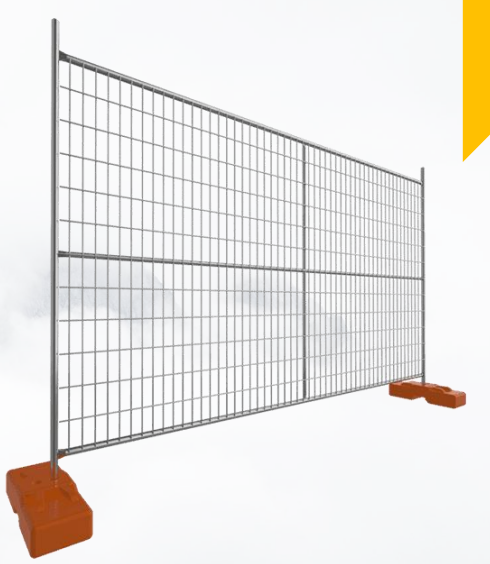
- Welded wire fences are made from steel wires welded at each intersection to form a rigid grid. The panels are usually coated with galvanization, PVC, or powder to prevent rust and corrosion. They can be installed on metal or concrete posts.
-
Advantages:
- Strength and Durability: Welded wire fences are more robust than chain link fences, offering higher resistance to cutting and impact. This makes them ideal for industrial areas requiring enhanced security.
- Versatility: These fences are available in various mesh sizes and thicknesses, allowing for customization based on security and aesthetic requirements.
- Aesthetic Appeal: The clean and modern look of welded wire fences makes them suitable for industrial facilities that prioritize both security and appearance.
- Low Maintenance: The durable coating reduces the need for frequent maintenance, making these fences cost-effective over their lifespan.
-
Lifespan: Welded wire fences generally last 20 to 25 years, depending on environmental conditions and maintenance practices.
3. Palisade Fences
-
Composition:
- Palisade fences are made from steel or iron and consist of vertical pales attached to horizontal rails. The pales have pointed or rounded tops to deter climbing and intrusion. These fences are often powder-coated or galvanized for added protection.
-
Advantages:
- High Security: Palisade fences offer a high level of security due to their robust construction and anti-climbing features. They are commonly used around high-risk facilities such as power plants, data centers, and military installations.
- Deterrence: The intimidating appearance of palisade fences serves as a strong visual deterrent to potential intruders.
- Durability: Made from strong materials, these fences withstand harsh weather conditions and provide long-term security.
- Customizable: Available in various heights and pale designs, palisade fences can be tailored to specific security needs and aesthetic preferences.
-
Lifespan: With regular maintenance, palisade fences can last 25 to 40 years. Their durability and strength make them a worthwhile investment for facilities requiring stringent security measures.
4. Expanded Metal Fences
-
Composition:
- Expanded metal fences are made from sheets of steel or aluminum that are cut and stretched to form a mesh-like pattern. The expanded metal panels are then attached to sturdy posts to create a secure barrier.
-
Advantages:
- High Security: The unique design of expanded metal fences makes them difficult to cut or climb, providing excellent security for industrial sites.
- Durability: These fences are highly resistant to impact and corrosion, making them suitable for harsh industrial environments.
- Visibility: The mesh pattern allows for clear visibility, enabling effective surveillance and monitoring.
- Low Maintenance: The corrosion-resistant properties of expanded metal reduce the need for frequent maintenance, making these fences cost-effective over time.
-
Lifespan: Expanded metal fences typically last 20 to 30 years, with minimal maintenance required to maintain their structural integrity and appearance.
5. Electric Fences
-
Composition:
- Electric fences consist of high-tensile wire that carries an electric current. The wire is supported by insulators attached to posts, and the fence is powered by a charger or energizer.
-
Advantages:
- High Security: Electric fences provide a strong deterrent to intruders by delivering a non-lethal electric shock upon contact. This makes them suitable for high-security areas such as industrial complexes and research facilities.
- Cost-Effective: Compared to traditional security measures, electric fences offer a cost-effective solution for large perimeters.
- Adaptability: These fences can be easily adjusted or relocated, making them flexible for changing security needs.
- Remote Monitoring: Many modern electric fences can be integrated with remote monitoring systems, allowing for real-time security management.
-
Lifespan: Electric fences can last 15 to 20 years with proper maintenance. Regular checks of the electrical system are necessary to ensure consistent performance.
Comparative Analysis of Industrial Fence Panels
1. Durability and Maintenance
- Chain Link Fences: Durable and resistant to weather, requiring minimal maintenance.
- Welded Wire Fences: Offer superior strength with low maintenance needs, making them ideal for secure industrial settings.
- Palisade Fences: Highly durable and resistant to environmental factors, requiring regular inspections to maintain security levels.
- Expanded Metal Fences: Provide excellent durability with minimal maintenance, suited for harsh industrial environments.
- Electric Fences: Require regular maintenance of the electrical components to ensure effectiveness.
2. Security Level
- Chain Link Fences: Offer basic security, suitable for areas with lower risk levels.
- Welded Wire Fences: Provide enhanced security due to their rigid construction.
- Palisade Fences: High-security option, ideal for protecting critical infrastructure.
- Expanded Metal Fences: Offer high security with anti-climb features, suitable for sensitive industrial areas.
- Electric Fences: Provide maximum security with a psychological deterrent effect.
3. Aesthetic Appeal
- Chain Link Fences: Functional and utilitarian, not typically chosen for aesthetics.
- Welded Wire Fences: Modern and clean appearance, suitable for facilities where aesthetics are important.
- Palisade Fences: Intimidating look serves as a visual deterrent, though less focused on aesthetics.
- Expanded Metal Fences: Sleek and functional design, offering both security and visual appeal.
- Electric Fences: Primarily focused on security, with aesthetics being a secondary concern.
4. Cost-Effectiveness
- Chain Link Fences: Most economical option for large areas, offering a balance of cost and security.
- Welded Wire Fences: More expensive than chain link but offer higher security and durability.
- Palisade Fences: Higher initial cost, but long lifespan and security benefits justify the investment.
- Expanded Metal Fences: Cost-effective for high-security needs, with a balance of durability and security.
- Electric Fences: Cost-effective for large perimeters, offering high security at a reasonable cost.
Conclusion
Industrial fence panels play a vital role in securing and managing industrial facilities. The choice of fencing material and design depends on specific security requirements, budget constraints, and aesthetic preferences. From the cost-effective chain link to the high-security palisade and electric fences, each type offers unique advantages and challenges. Understanding the composition, benefits, and lifespan of these fences helps industrial facility managers make informed decisions that ensure the safety and security of their operations. By selecting the appropriate fence panels, industries can enhance their security measures while maintaining functionality and aesthetic appeal.
Industrial Fences: Applications, Introduction, and History
Composition, Advantages, and Lifespan of Various Suburban Fence Panels
Related Article