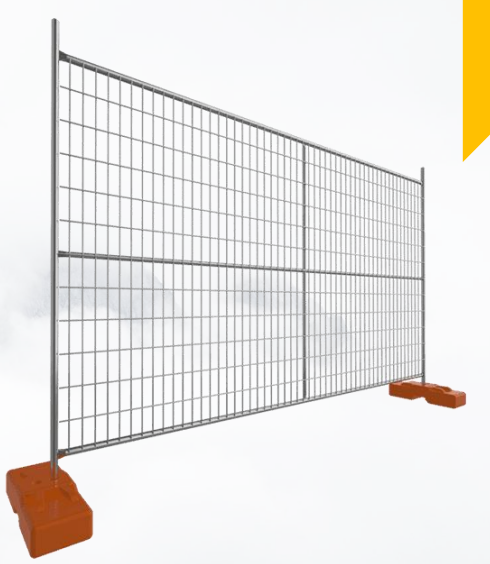
Composition, Advantages, and Lifespan of Various Suburban Fence Panels
Composition, Advantages, and Lifespan of Various Suburban Fence Panels
Introduction
Suburban areas, often characterized by a blend of urban and rural elements, have distinct fencing requirements. In these settings, fences are not only functional but also contribute significantly to the overall aesthetic appeal of the neighborhood. The right fence can enhance privacy, security, and property value while complementing the natural surroundings. This article explores the composition, advantages, and expected lifespan of various suburban fence panels, highlighting their importance in suburban living.
Types of Suburban Fence Panels
-
Vinyl Fences
-
Composition:
- Vinyl fences are made from polyvinyl chloride (PVC), a durable and weather-resistant plastic. The panels are manufactured through extrusion, where melted PVC is shaped into specific profiles. They are available in various colors, textures, and styles, including those that mimic the appearance of wood or stone.
-
Advantages:
- Low Maintenance: Vinyl fences require minimal upkeep. They do not need painting or staining and are resistant to rot, pests, and weather damage. Occasional cleaning with soap and water is usually sufficient to keep them looking new.
- Durability: Vinyl is highly resistant to environmental factors such as UV rays, moisture, and temperature fluctuations. This makes vinyl fences suitable for different climates without deteriorating over time.
- Aesthetic Versatility: With a wide range of designs, colors, and textures, vinyl fences can be customized to match various architectural styles and personal preferences, enhancing the curb appeal of suburban homes.
- Eco-Friendly: Vinyl fences are recyclable, and their production process generates less waste compared to some other materials.
-
Lifespan: Vinyl fences typically last 20 to 30 years or more with proper maintenance. Their longevity and resilience make them a cost-effective option in the long run.
-
-
Wooden Fences
-
Composition:
- Wooden fences are constructed from natural timber such as cedar, pine, or redwood. The panels can be solid, lattice, or picket style, offering a range of visual options. The wood is often treated with preservatives to enhance its durability against insects and rot.
-
Advantages:
- Natural Aesthetic: Wood provides a warm, classic look that blends well with natural landscapes, making it a popular choice for suburban settings. The ability to paint or stain wood allows homeowners to customize the appearance to suit their tastes.
- Versatility: Wooden fences are available in various styles and designs, from traditional picket fences to tall privacy fences. This versatility makes them suitable for a wide range of applications, including defining boundaries, creating private spaces, and enhancing garden areas.
- Eco-Friendly: When sourced from sustainably managed forests, wood is a renewable resource. Additionally, wood fences can be recycled or repurposed at the end of their lifecycle.
-
Lifespan: Wooden fences typically last 10 to 15 years, depending on the type of wood and the level of maintenance. Regular staining, sealing, and repairs can extend their lifespan and maintain their appearance.
-
-
Chain Link Fences
-
Composition:
- Chain link fences are made from galvanized or coated steel wire, woven into a mesh pattern. The wire is stretched between metal posts anchored in concrete, creating a durable and secure barrier.
-
Advantages:
- Cost-Effective: Chain link fences are one of the most affordable fencing options available, making them a popular choice for homeowners seeking functionality without breaking the bank.
- Durability: Resistant to harsh weather conditions and physical damage, chain link fences offer long-lasting security. The galvanized or coated steel wire helps prevent rust and corrosion.
- Low Maintenance: These fences require minimal maintenance, usually only needing occasional cleaning and inspections for any loose wires or damage.
- Visibility: The open mesh design allows for visibility, making it easy to monitor activities within and around the property. This is particularly beneficial in community settings where interaction and communication are valued.
-
Lifespan: Chain link fences can last 15 to 20 years or more with proper care. Routine checks and maintenance help extend their longevity.
-
-
Aluminum Fences
-
Composition:
- Aluminum fences are made from lightweight, corrosion-resistant aluminum. The panels consist of vertical pickets attached to horizontal rails, and they can be powder-coated for additional protection and aesthetics.
-
Advantages:
- Rust Resistance: Aluminum is naturally resistant to rust and corrosion, making it an ideal choice for areas with high humidity or exposure to moisture. This characteristic ensures that aluminum fences maintain their appearance and structural integrity over time.
- Low Maintenance: These fences require little to no maintenance, as they do not need painting or sealing. Occasional cleaning is usually sufficient to keep them in good condition.
- Aesthetic Appeal: Aluminum fences offer a sleek, modern look that complements a variety of suburban home styles. They are available in different colors and designs, allowing homeowners to choose a fence that enhances their property’s curb appeal.
- Eco-Friendly: Aluminum is a recyclable material, making these fences an environmentally responsible choice.
-
Lifespan: Aluminum fences can last 20 to 30 years or more, thanks to their resistance to environmental factors and minimal maintenance requirements.
-
-
Composite Fences
-
Composition:
- Composite fences are made from a combination of wood fibers and recycled plastic. The materials are mixed and molded into panels that resemble natural wood, offering the benefits of both wood and plastic.
-
Advantages:
- Durability: Composite fences are resistant to rot, insects, and weather damage, providing long-lasting protection for suburban properties. They are designed to withstand various environmental conditions without warping or cracking.
- Low Maintenance: Unlike traditional wood fences, composite fences do not require painting, staining, or sealing. Regular cleaning with soap and water is sufficient to maintain their appearance.
- Aesthetic Options: Available in a range of colors and styles, composite fences can mimic the appearance of wood while offering the benefits of synthetic materials. This versatility allows homeowners to choose a fence that suits their aesthetic preferences.
- Eco-Friendly: Made from recycled materials, composite fences are an environmentally friendly choice that reduces waste and conserves natural resources.
-
Lifespan: Composite fences have an impressive lifespan of 25 to 30 years or more, making them a durable and sustainable option for suburban settings.
-
Comparative Analysis of Suburban Fence Panels
1. Durability and Maintenance
- Vinyl Fences: Extremely durable with low maintenance needs, making them suitable for busy suburban homeowners.
- Wooden Fences: Require regular maintenance to prevent rot and insect damage, but offer a natural aesthetic that many homeowners desire.
- Chain Link Fences: Durable and low-maintenance, ideal for cost-effective security solutions.
- Aluminum Fences: Highly resistant to rust and corrosion, with minimal maintenance required.
- Composite Fences: Offer the durability of synthetic materials with the appearance of wood, requiring minimal maintenance.
2. Aesthetic Appeal
- Vinyl Fences: Provide a clean, polished look with various design options.
- Wooden Fences: Offer a warm, traditional appearance that complements natural surroundings.
- Chain Link Fences: Functional and straightforward, best for utilitarian purposes rather than decorative ones.
- Aluminum Fences: Sleek and modern, suitable for contemporary suburban designs.
- Composite Fences: Combine the natural look of wood with modern materials, offering versatile aesthetic options.
3. Environmental Impact
- Vinyl Fences: Made from recyclable materials, but their production involves plastic, which can be a concern for some environmentally conscious homeowners.
- Wooden Fences: Eco-friendly when sourced sustainably, but regular maintenance products can have environmental impacts.
- Chain Link Fences: Generally recyclable, but metal production can have environmental implications.
- Aluminum Fences: Environmentally friendly due to their recyclability.
- Composite Fences: Made from recycled materials, offering an eco-friendly alternative to traditional wood.
Conclusion
In suburban settings, the choice of fence panels plays a significant role in enhancing security, privacy, and property aesthetics. With a range of options available, including vinyl, wooden, chain link, aluminum, and composite fences, homeowners can select the ideal solution based on their specific needs and preferences. Understanding the composition, advantages, and lifespan of each type of fence helps make informed decisions that contribute to the overall quality of suburban living. Whether prioritizing durability, aesthetic appeal, or environmental impact, the right fence can significantly enhance the beauty and functionality of suburban properties.
Composition, Advantages, and Lifespan of Various Industrial Fence Panels
Composition, Advantages, and Lifespan of Various Farm Fence Panels
Related Article