
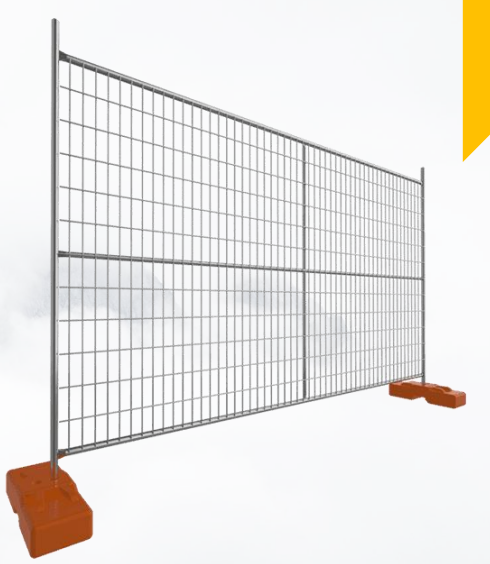
Composition, Advantages, and Lifespan of Various Farm Fence Panels
Farm fence panels are essential for managing livestock, protecting crops, and delineating property boundaries. They come in various materials and designs, each offering unique benefits and serving specific purposes on a farm. This article explores the composition, advantages, and expected lifespans of different types of farm fence panels, highlighting their roles in effective farm management.
Types of Farm Fence Panels
-
Woven Wire Fences
- Composition: Made from galvanized steel wire woven into a mesh pattern. The mesh size can vary depending on the intended use.
- Advantages:
- Strength and Durability: Woven wire fences are strong enough to contain livestock and withstand pressure from animals.
- Versatility: Suitable for various animals, including cattle, sheep, and goats.
- Safety: The smooth wire prevents injuries to animals.
- Lifespan: Typically lasts 15 to 20 years, depending on the quality of the wire and environmental conditions. Regular maintenance can extend the lifespan.
-
Barbed Wire Fences
- Composition: Consist of two or more strands of galvanized steel wire twisted together with sharp barbs spaced at regular intervals.
- Advantages:
- Cost-Effective: Barbed wire fences are relatively inexpensive and easy to install.
- Security: The barbs deter animals and trespassers from crossing the fence.
- Low Maintenance: Requires minimal maintenance once installed.
- Lifespan: Typically lasts 10 to 15 years. Regular inspections and repairs can help maintain their effectiveness.
-
Electric Fences
- Composition: Made from high-tensile wire that carries an electric current, supported by insulators and powered by a charger.
- Advantages:
- High Security: Delivers a mild electric shock to animals and intruders, ensuring they stay within or out of the designated area.
- Flexibility: Easy to install and can be adjusted or relocated as needed.
- Cost-Effective: Low initial cost and maintenance, especially for large areas.
- Lifespan: Can last 20 years or more with proper maintenance. Regular checks of the electrical system are necessary to ensure functionality.
-
Post and Rail Fences
- Composition: Constructed from wooden or metal posts with horizontal rails. The posts are set in the ground, and the rails are attached between them.
- Advantages:
- Aesthetic Appeal: Provides a traditional and visually appealing look.
- Strength: Suitable for larger livestock like horses and cattle.
- Versatility: Can be combined with wire mesh for additional security.
- Lifespan: Wooden post and rail fences typically last 15 to 20 years, while metal ones can last longer, up to 30 years or more, with proper maintenance.
-
Welded Wire Fences
- Composition: Made from steel wires welded at intersections to form a rigid grid.
- Advantages:
- Strength: Strong and durable, suitable for containing smaller livestock and poultry.
- Safety: The smooth surface prevents injuries to animals.
- Versatility: Can be used for various purposes, including garden protection and property delineation.
- Lifespan: Generally lasts 20 to 30 years, depending on the quality of the materials and environmental exposure.
Advantages of Farm Fence Panels
-
Animal Containment and Safety
- Farm fence panels are crucial for containing livestock, preventing them from wandering off and getting injured. They help ensure the safety of animals by providing a secure boundary.
-
Crop Protection
- Fences protect crops from being trampled or eaten by livestock. This is particularly important for farms with mixed-use areas, where animals and crops coexist.
-
Property Delineation
- Clearly defined boundaries help prevent disputes with neighbors and protect property rights. Fences are a visible and practical way to mark the limits of a farm.
-
Pest and Predator Control
- Certain types of fences, such as electric and welded wire fences, help keep pests and predators away from livestock and crops, reducing losses and increasing productivity.
-
Aesthetic Appeal and Farm Organization
- Well-maintained fences enhance the overall appearance of a farm and contribute to its organization. They can be used to create specific zones for different activities, such as grazing, crop cultivation, and storage.
Lifespan and Maintenance of Farm Fence Panels
-
Woven Wire Fences
- Lifespan: 15 to 20 years.
- Maintenance: Regular inspections for broken wires and rust. Tension adjustments and occasional repairs are necessary.
-
Barbed Wire Fences
- Lifespan: 10 to 15 years.
- Maintenance: Regular checks for loose or broken wires. Replace barbs and tighten wires as needed.
-
Electric Fences
- Lifespan: 20 years or more.
- Maintenance: Regular testing of the electrical system, checking for broken insulators, and ensuring the power source is functional.
-
Post and Rail Fences
- Lifespan: 15 to 30 years.
- Maintenance: Regular inspections for rotting or damaged posts and rails. Repainting or staining wooden posts and rails to protect against weathering.
-
Welded Wire Fences
- Lifespan: 20 to 30 years.
- Maintenance: Regular inspections for rust and broken welds. Cleaning and occasional repainting or recoating to prevent corrosion.
Conclusion
Farm fence panels are vital for effective farm management, offering various benefits such as animal containment, crop protection, property delineation, pest control, and aesthetic enhancement. Different types of fences, including woven wire
Composition, Advantages, and Lifespan of Various Suburban Fence Panels
Composition, Advantages, and Lifespan of Various Prison Fence Panels
Related Article