
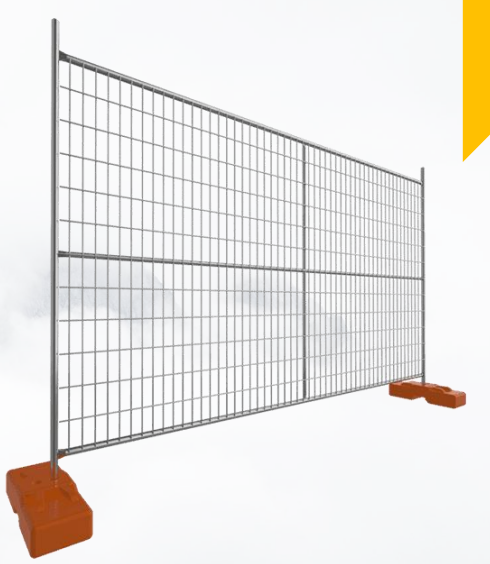
Composition, Advantages, and Lifespan of Various Prison Fence Panels
Introduction
Prison fence panels are critical for ensuring the security and containment of inmates while preventing unauthorized access or escape. They are designed to withstand extreme conditions and provide maximum security. This article explores the composition, advantages, and expected lifespans of various types of prison fence panels, highlighting their effectiveness in correctional facilities.
Composition of Prison Fence Panels
-
Chain Link Fences
- Material: Made from galvanized or coated steel wire, chain link fences are highly durable and resistant to corrosion.
- Structure: These fences consist of interwoven steel wires forming a diamond pattern, attached to steel posts embedded in concrete.
- Additional Features: Often topped with barbed wire or razor wire to enhance security and deter climbing.
-
Welded Wire Fences
- Material: Constructed from heavy-gauge steel wires welded at intersections for superior strength and stability.
- Structure: The welded wire panels are mounted on steel posts and are often coated with a protective layer to prevent rust and corrosion.
- Additional Features: Can include anti-climb mesh designs and additional security features like electrified wires.
-
Expanded Metal Fences
- Material: Made from steel sheets that are slit and stretched to form a mesh-like pattern.
- Structure: These fences are rigid and strong, mounted on sturdy steel frames and posts.
- Additional Features: Often combined with other security measures, such as sensor systems and surveillance cameras.
-
High-Security Palisade Fences
- Material: Composed of steel pales (vertical bars) secured to horizontal rails and posts.
- Structure: The pales are typically D or W-shaped to prevent climbing and tampering.
- Additional Features: Topped with pointed tips or barbed wire for added security.
Advantages of Prison Fence Panels
-
Chain Link Fences
- Visibility: The open weave design provides visibility, allowing guards to monitor activities inside and outside the facility without obstruction.
- Cost-Effective: Chain link fences are relatively inexpensive compared to other high-security options, making them a budget-friendly solution for large areas.
- Durability: Resistant to weather conditions and physical damage, ensuring long-term reliability.
-
Welded Wire Fences
- Strength and Stability: The welded construction provides superior strength, making it difficult to cut or breach the fence.
- Versatility: Available in various mesh sizes and wire thicknesses, allowing customization to meet specific security requirements.
- Aesthetic Appeal: Offers a cleaner and more professional appearance compared to chain link fences.
-
Expanded Metal Fences
- Rigidity and Security: The expanded metal design is extremely rigid, making it nearly impossible to cut through or climb.
- Durability: Resistant to corrosion and weather damage, ensuring long-lasting security.
- Enhanced Protection: The dense mesh pattern prevents objects from being passed through the fence, enhancing overall security.
-
High-Security Palisade Fences
- High Deterrence: The robust construction and pointed tips of the pales act as a strong physical and psychological deterrent to intruders.
- Customization: Can be tailored with various height options and additional security features like anti-tamper fixings.
- Low Maintenance: Requires minimal upkeep, withstanding harsh environmental conditions without significant wear and tear.
Lifespan of Prison Fence Panels
-
Chain Link Fences
- Expected Lifespan: Typically lasts between 15 to 20 years, depending on the quality of materials and environmental conditions.
- Maintenance Requirements: Regular inspections and occasional repairs are needed to maintain optimal security.
-
Welded Wire Fences
- Expected Lifespan: Generally lasts between 20 to 30 years, with proper maintenance and care.
- Maintenance Requirements: Minimal maintenance needed, primarily involving regular inspections and cleaning to prevent rust and corrosion.
-
Expanded Metal Fences
- Expected Lifespan: Can last 30 years or more, given their robust construction and resistance to damage.
- Maintenance Requirements: Requires minimal maintenance, focusing on inspections and addressing any damage promptly.
-
High-Security Palisade Fences
- Expected Lifespan: Typically lasts between 25 to 30 years, depending on environmental exposure and maintenance practices.
- Maintenance Requirements: Low maintenance, mainly involving periodic inspections and addressing any signs of wear or damage.
Conclusion
Prison fence panels are essential for maintaining the security and integrity of correctional facilities. Various types of fences, including chain link, welded wire, expanded metal, and high-security palisade fences, offer unique advantages and have different lifespans. Chain link fences provide visibility and cost-effectiveness, welded wire fences offer strength and stability, expanded metal fences ensure rigidity and enhanced protection, and high-security palisade fences deliver high deterrence and low maintenance.
Choosing the right type of fence depends on the specific security needs and environmental conditions of the correctional facility. Proper maintenance and regular inspections are crucial to ensure the longevity and effectiveness of these security barriers. Understanding the composition, advantages, and expected lifespans of these fences can help facility managers make informed decisions to enhance the safety and security of their institutions.
Composition, Advantages, and Lifespan of Various Farm Fence Panels
Advantages and Lifespan of Metal and Wooden Fence Panels
Related Article