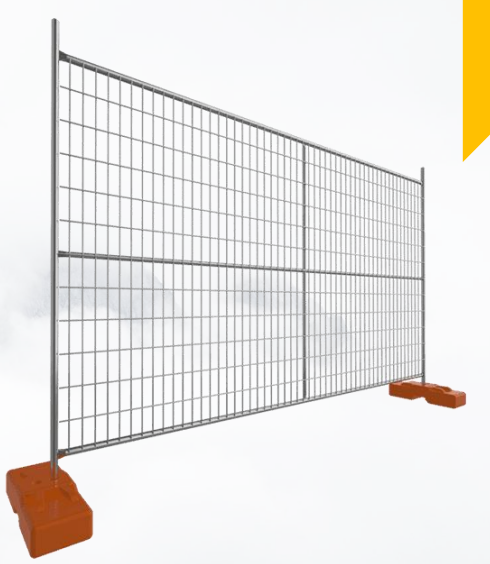
Types of Fence Panels: Materials, Manufacturing Processes, Production Workflow, and Weight Calculation
Types of Fence Panels: Materials, Manufacturing Processes, Production Workflow, and Weight Calculation
Introduction
Fence panels, also known as barrier nets, serve various purposes, including security, privacy, and decoration. They are made from different materials and undergo specific manufacturing processes to meet the requirements of diverse applications. This article explores the materials, manufacturing processes, production workflow, and weight calculation methods for various types of fence panels.
Materials
Different fence panels use various materials based on their intended use. The most common materials include:
- Steel: Steel is a preferred material for its strength and durability. It is often galvanized or powder-coated to prevent rust and corrosion.
- Aluminum: Aluminum is lightweight, corrosion-resistant, and ideal for residential and decorative fences.
- Wood: Wood offers a natural and classic look. Common types include cedar, pine, and redwood, each with varying durability and aesthetic qualities.
- PVC (Vinyl): PVC is low-maintenance, weather-resistant, and available in various styles and colors.
- Composite: Composite materials combine wood fibers and plastic, providing the natural look of wood with the durability of synthetic materials.
Manufacturing Processes
The manufacturing processes for fence panels depend on the material used. Below are detailed processes for the most common types of fence panels.
Steel and Aluminum Fence Panels
- Material Preparation: Steel or aluminum sheets or bars are inspected for quality.
- Cutting: The material is cut into specific sizes and shapes using laser cutters or saws, ensuring precision and consistency.
- Forming: The cut pieces are bent or formed into the desired panel shapes using hydraulic presses or rollers.
- Welding: For steel fences, the pieces are welded together to form the panels. Aluminum panels may use a combination of welding and mechanical fasteners.
- Surface Treatment: The panels are treated to prevent rust and corrosion. This can include galvanizing for steel or anodizing for aluminum.
- Powder Coating: An electrostatic powder coating is applied for color and additional protection. The panels are then baked to cure the coating.
- Quality Control: Each panel undergoes quality checks to ensure durability and aesthetic standards.
Wood Fence Panels
- Material Selection: High-quality wood is selected and inspected for defects.
- Cutting and Shaping: The wood is cut into the desired sizes for posts, rails, and pickets using precision saws and CNC machines.
- Treating: The wood is treated with preservatives to enhance resistance to rot, insects, and weather damage, either through pressure treatment or chemical dipping.
- Assembling: The treated wood pieces are assembled into panels using nails, screws, or other fasteners.
- Sanding and Finishing: The assembled panels are sanded and may be stained or painted for the desired finish.
- Quality Control: Each panel is inspected for structural integrity and finish quality before packaging.
PVC (Vinyl) Fence Panels
- Extrusion: PVC resin is melted and extruded through molds to create fence components such as posts, rails, and pickets, ensuring uniformity.
- Cooling: The extruded components are cooled and cut to the desired lengths.
- Assembling: The cooled components are assembled into panels using specialized connectors and adhesives.
- Reinforcement: Some PVC panels include steel or aluminum reinforcements for added strength, particularly in load-bearing parts.
- Quality Control: Each panel is checked for defects, proper assembly, and color consistency before packaging.
Composite Fence Panels
- Material Mixing: Wood fibers and plastic are combined in specific ratios to create a composite material, often enhanced with UV inhibitors and other additives.
- Extrusion: The composite material is extruded through molds to create fence components.
- Cooling and Cutting: The extruded components are cooled and cut to size.
- Assembling: The components are assembled into panels, similar to the process for PVC fences.
- Finishing: Composite panels may undergo additional finishing processes to enhance appearance and durability.
- Quality Control: Each panel is inspected for quality and consistency before packaging.
Production Workflow
The production workflow for fence panels generally includes the following steps:
- Raw Material Inspection: Incoming materials are inspected to ensure they meet quality standards.
- Cutting and Shaping: Materials are cut and shaped according to design specifications.
- Forming and Assembly: Components are formed and assembled into panels.
- Surface Treatment: Panels undergo surface treatments such as galvanizing, powder coating, or staining.
- Quality Control: Rigorous inspections ensure each panel meets quality standards.
- Packaging and Shipping: Finished panels are packaged securely and prepared for shipment.
Weight Calculation Methods
Accurately calculating the weight of fence panels is essential for shipping, installation, and structural considerations. The weight depends on the material, dimensions, and design.
Steel and Aluminum Fence Panels
- Calculate Volume: Determine the volume of each component by multiplying the cross-sectional area by the length.
- Material Density: Multiply the volume by the material's density (steel ~7.85 g/cm³, aluminum ~2.70 g/cm³).
- Sum Components: Add the weights of all components to get the total panel weight.
Wood Fence Panels
- Calculate Volume: Determine the volume of each wooden component.
- Wood Density: Multiply the volume by the density of the specific wood type (e.g., cedar ~0.38 g/cm³, pine ~0.50 g/cm³).
- Sum Components: Add the weights of all components to get the total panel weight.
PVC (Vinyl) and Composite Fence Panels
- Calculate Volume: Determine the volume of each PVC or composite component.
- Material Density: Multiply the volume by the material's density (PVC ~1.40 g/cm³, composite varies but typically ~1.20-1.40 g/cm³).
- Sum Components: Add the weights of all components to get the total panel weight.
Example Calculation for Steel Fence Panel
- Dimensions: A steel panel with posts (2 m height, 0.1 m width), rails (2 m length, 0.05 m diameter), and mesh (2 m height, 2 m length).
- Volume:
- Post: Volume=Height×Width×Thickness\text{Volume} = \text{Height} \times \text{Width} \times \text{Thickness}Volume=Height×Width×Thickness = 2 m × 0.1 m × 0.01 m = 0.002 m³
- Rail: Volume=Length×Cross-sectional Area\text{Volume} = \text{Length} \times \text{Cross-sectional Area}Volume=Length×Cross-sectional Area (assuming cylindrical) = 2 m × π × (0.05 m / 2)² = 0.00393 m³
- Mesh: Approximated based on wire length and diameter.
- Weight Calculation:
- Post: 0.002m3×7,850kg/m3=15.7kg0.002 m³ × 7,850 kg/m³ = 15.7 kg0.002m3×7,850kg/m3=15.7kg
- Rail: 0.00393m3×7,850kg/m3=30.84kg0.00393 m³ × 7,850 kg/m³ = 30.84 kg0.00393m3×7,850kg/m3=30.84kg
- Mesh: Calculate based on total wire length and density.
Conclusion
Understanding the materials, manufacturing processes, and production workflow of various fence panels helps in selecting the right type for specific applications. Accurate weight calculation is crucial for practical and logistical purposes. Each type of fence panel—whether steel, aluminum, wood, PVC, or composite—offers unique advantages and serves different needs, from security to aesthetic appeal.
Advantages and Lifespan of Various Metal Fence Panels
Types of Fence Panels: Materials, Manufacturing, and Production Process
Related Article