
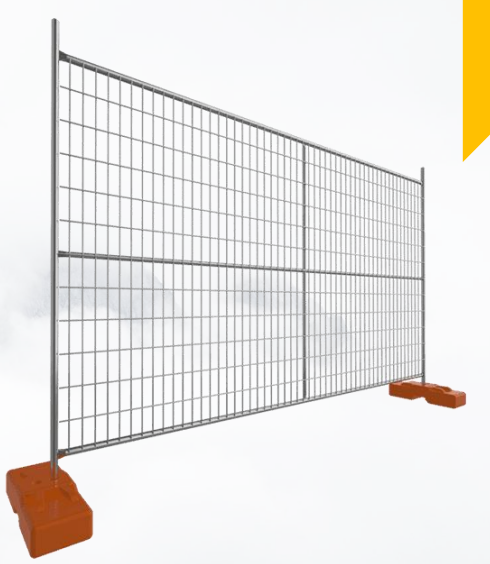
Types of Fence Panels: Materials, Manufacturing, and Production Process
Materials
The materials used in fence panel production vary based on the type and intended application of the fence. Common materials include:
- Steel: Known for its strength and durability, steel is often used for security fences and industrial applications. It can be galvanized or powder-coated to resist rust and corrosion.
- Aluminum: Lightweight and rust-resistant, aluminum is ideal for residential and decorative fences. It can also be powder-coated for additional protection and color options.
- Wood: Traditional and versatile, wood is used for privacy and decorative fencing. Types of wood include cedar, pine, and redwood, each offering different levels of durability and aesthetic appeal.
- PVC (Vinyl): PVC fences are low-maintenance and weather-resistant, making them popular for residential use. They come in various styles and colors.
- Composite: Made from a blend of wood fibers and plastic, composite fences combine the natural look of wood with the durability of synthetic materials.
Manufacturing Processes
The manufacturing process for fence panels varies depending on the material used. Below are detailed processes for the most common types of fence panels.
Steel and Aluminum Fence Panels
- Material Preparation: Steel or aluminum sheets or bars are procured and inspected for quality.
- Cutting: The material is cut into specific sizes and shapes using laser cutters or saws. This step ensures precision and consistency.
- Forming: The cut pieces are then bent or formed into the desired panel shapes using hydraulic presses or rollers. This step is crucial for creating various fence designs.
- Welding: For steel fences, the pieces are welded together to form the panels. Aluminum panels may use a combination of welding and mechanical fasteners.
- Surface Treatment: The panels are then treated to prevent rust and corrosion. This can include galvanizing (coating with zinc) for steel or anodizing for aluminum.
- Powder Coating: An electrostatic powder coating is applied to add color and an additional layer of protection. The coated panels are baked in an oven to cure the coating.
- Quality Control: Each panel undergoes rigorous quality checks to ensure durability and aesthetic standards.
Wood Fence Panels
- Material Selection: High-quality wood is selected and inspected for defects.
- Cutting and Shaping: The wood is cut into the desired sizes for posts, rails, and pickets. Precision saws and CNC machines are often used for this purpose.
- Treating: The cut wood is treated with preservatives to enhance its resistance to rot, insects, and weather damage. This can include pressure treatment or dipping in chemical solutions.
- Assembling: The treated wood pieces are assembled into panels using nails, screws, or other fasteners. This step can be done manually or with automated machinery.
- Sanding and Finishing: The assembled panels are sanded to smooth the surfaces and edges. They may also be stained or painted to achieve the desired finish.
- Quality Control: Each panel is inspected for structural integrity and finish quality before packaging.
PVC (Vinyl) Fence Panels
- Extrusion: PVC resin is melted and extruded through molds to create fence components such as posts, rails, and pickets. The extrusion process ensures uniformity and consistency.
- Cooling: The extruded components are cooled and cut to the desired lengths.
- Assembling: The cooled components are assembled into panels using specialized connectors and adhesives. This process can be automated or done manually.
- Reinforcement: Some PVC panels include steel or aluminum reinforcements for added strength, particularly in load-bearing parts like posts.
- Quality Control: Each panel is checked for defects, proper assembly, and color consistency before packaging.
Composite Fence Panels
- Material Mixing: Wood fibers and plastic are combined in specific ratios to create a composite material. This mixture is often enhanced with UV inhibitors and other additives.
- Extrusion: The composite material is extruded through molds to create fence components.
- Cooling and Cutting: The extruded components are cooled and cut to size.
- Assembling: The components are assembled into panels, similar to the process for PVC fences.
- Finishing: Composite panels may undergo additional finishing processes to enhance their appearance and durability.
- Quality Control: Each panel is inspected for quality and consistency before packaging.
Production Workflow
The production workflow for fence panels generally includes the following steps:
- Raw Material Inspection: Incoming materials are inspected to ensure they meet quality standards.
- Cutting and Shaping: Materials are cut and shaped according to design specifications.
- Forming and Assembly: Components are formed and assembled into panels.
- Surface Treatment: Panels undergo surface treatments such as galvanizing, powder coating, or staining.
- Quality Control: Rigorous inspections ensure each panel meets quality standards.
- Packaging and Shipping: Finished panels are packaged securely and prepared for shipment.
Conclusion
Fence panels are made from various materials, each offering unique benefits and suited for different applications. The manufacturing process involves several steps, from material preparation and cutting to assembling and finishing. A well-structured production workflow ensures consistent quality and efficiency. Understanding these processes can help in selecting the right fence panels for specific needs, ensuring durability, security, and aesthetic appeal.
Types of Fence Panels: Materials, Manufacturing Processes, Production Workflow, and Weight Calculation
Chain Link Fence: Materials, Manufacturing, and Production Process
Related Article