Analyzing the Use of Metal Mesh: Applications, Advantages, and Considerations
Analyzing the Use of Metal Mesh: Applications, Advantages, and Considerations
Introduction: Metal mesh, also known as wire mesh or wire netting, has become an indispensable material in various industries and applications due to its versatility, durability, and strength. From industrial filtration and screening to architectural facades and decorative elements, metal mesh serves a wide range of purposes across diverse sectors. In this analysis, we delve into the applications, advantages, and important considerations associated with the use of metal mesh, shedding light on its multifaceted utility and practicality.
Applications of Metal Mesh:
-
Industrial Filtration: Metal mesh is widely used in industrial filtration applications, where it serves as a crucial component in separating solids from liquids or gases. Mesh screens, made from materials such as stainless steel, brass, or aluminum, are utilized in filtration systems for water treatment, oil refining, chemical processing, and air purification. The precise aperture sizes and mesh configurations of metal mesh screens enable efficient filtration and particle retention, ensuring the purity and quality of the filtered products.
-
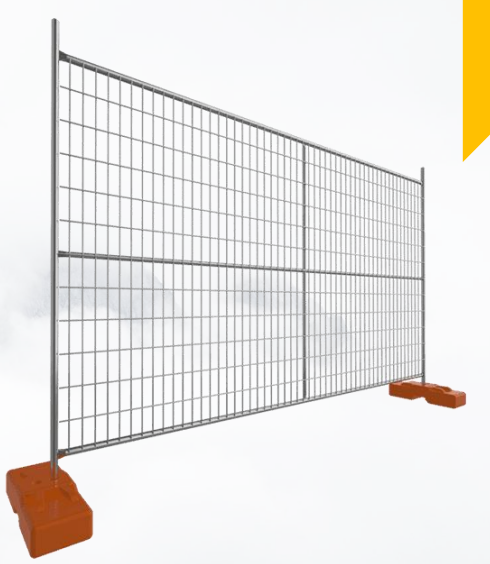
Security Fencing: Metal mesh is commonly employed in security fencing applications to provide perimeter protection and access control for commercial, industrial, and institutional facilities. Welded wire mesh panels, chain-link fencing, and expanded metal mesh are popular choices for security fencing due to their strength, visibility, and deterrence capabilities. Metal mesh fences are often installed around warehouses, construction sites, prisons, and military installations to prevent unauthorized entry and safeguard valuable assets.
-
Architectural Facades: Metal mesh is increasingly being utilized in architectural facades and building exteriors to create visually striking and functional designs. Decorative metal mesh panels, available in a variety of patterns, textures, and finishes, add aesthetic appeal and dimension to buildings while providing sun shading, ventilation, and privacy. Metal mesh curtains and screens are also used as architectural elements to define spaces, create partitions, and enhance interior and exterior environments in commercial and residential settings.
-
Infrastructure and Construction: Metal mesh finds numerous applications in infrastructure and construction projects, where it is used for reinforcement, reinforcement, and safety purposes. Welded wire mesh and rebar mesh are commonly embedded in concrete structures such as bridges, highways, and buildings to enhance structural integrity, prevent cracking, and distribute loads. Metal mesh is also used as scaffolding, safety barriers, and temporary enclosures at construction sites to ensure worker safety and compliance with regulatory standards.
-
Industrial and Agricultural Enclosures: Metal mesh is utilized in industrial and agricultural settings to create enclosures, partitions, and containment systems for various purposes. Wire mesh cages and partitions are used in warehouses, factories, and distribution centers to organize inventory, secure equipment, and control access to restricted areas. In agricultural applications, metal mesh is used for animal enclosures, poultry cages, and crop protection, providing containment, ventilation, and protection from pests and predators.
Advantages of Metal Mesh:
-
Strength and Durability: Metal mesh is renowned for its strength and durability, making it suitable for demanding applications in harsh environments. Stainless steel mesh, in particular, offers exceptional corrosion resistance and longevity, making it ideal for outdoor and industrial applications where exposure to moisture, chemicals, and abrasive materials is common.
-
Versatility: Metal mesh is highly versatile and can be customized to meet specific requirements for aperture size, mesh configuration, material composition, and surface finish. This versatility allows metal mesh to be tailored to a wide range of applications, from fine filtration to heavy-duty security fencing, architectural facades, and industrial enclosures.
-
Visibility and Ventilation: Metal mesh offers excellent visibility and ventilation properties, making it suitable for applications where airflow, natural light, and visibility are essential. Mesh screens and panels allow for unobstructed views while providing airflow and ventilation, making them ideal for security fencing, architectural facades, and interior partitions.
-
Ease of Installation: Metal mesh is relatively easy to install compared to other building materials, thanks to its lightweight nature and modular design. Mesh panels and screens can be prefabricated off-site and installed quickly and efficiently using standard tools and hardware, reducing labor costs and construction time for projects.
-
Cost-Effectiveness: Metal mesh offers a cost-effective solution for a wide range of applications, providing long-term durability and performance at a competitive price point. While the upfront cost of metal mesh may be higher than alternative materials, its longevity, low maintenance requirements, and resistance to corrosion and wear result in cost savings over the lifespan of the product.
Considerations for Metal Mesh:
-
Material Selection: Property owners should carefully consider the material composition of metal mesh based on the specific requirements of their application. Factors to consider include corrosion resistance, strength, conductivity, and aesthetic appearance. Stainless steel, aluminum, brass, and galvanized steel are common materials used in metal mesh production, each offering unique properties and advantages.
-
Mesh Configuration: The aperture size, wire diameter, and mesh configuration of metal mesh should be selected based on the desired functionality and performance requirements of the application. Fine mesh screens are suitable for filtration and separation tasks, while heavy-duty welded wire mesh panels are ideal for security fencing and structural reinforcement.
-
Surface Finish: The surface finish of metal mesh can impact its aesthetic appearance, durability, and corrosion resistance. Options include bare metal finishes, powder-coated finishes, anodized coatings, and painted finishes, each offering varying levels of protection and visual appeal.
-
Installation and Maintenance: Proper installation and maintenance are essential to ensure the effectiveness and longevity of metal mesh installations. Property owners should work with experienced contractors who have the knowledge and expertise to install metal mesh correctly and securely. Routine maintenance, such as cleaning, lubrication, and inspection, should also be performed to prevent corrosion, debris buildup, and mechanical failure.
-
Regulatory Compliance: Property owners should be aware of local building codes, zoning regulations, and safety standards governing the installation and use of metal mesh in their area. Requirements may include height restrictions, setback requirements, and design specifications that must be adhered to for compliance and permitting purposes.
Conclusion: In conclusion, metal mesh offers a versatile, durable, and cost-effective solution for a wide range of industrial, commercial, architectural, and agricultural applications. Its strength, durability, and versatility make it suitable for demanding tasks such as filtration, security fencing, architectural facades, and industrial enclosures. While metal mesh requires careful consideration of factors such as material selection, mesh configuration, surface finish, and installation, its numerous advantages and practicality make it a preferred choice for property owners seeking reliable and versatile solutions for their projects. As technology and materials continue to advance, metal mesh is expected to remain an essential component in various industries and applications, serving as a cornerstone of modern engineering and design.
Chain Link Fence: Materials, Manufacturing, and Production Process
Analyzing the Use of Metal Fencing: Advantages, Applications, and Considerations
Related Article