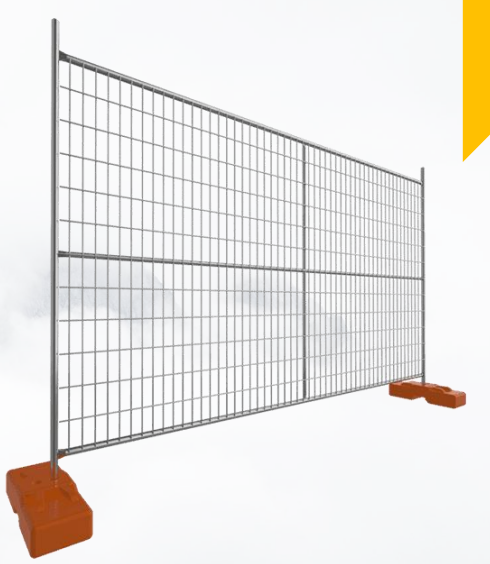
Analyzing the Use of Metal Fencing: Advantages, Applications, and Considerations
Introduction: Metal fencing has become a ubiquitous feature in both residential and commercial settings, offering a versatile and durable solution for property demarcation, security, and aesthetic enhancement. In this analysis, we delve into the various aspects of metal fencing, examining its advantages, applications, and important considerations for property owners.
Advantages of Metal Fencing:
-
Durability: One of the primary advantages of metal fencing is its exceptional durability. Unlike traditional wooden fences, which are susceptible to rot, decay, and insect damage, metal fences are engineered to withstand the elements and maintain their integrity over time. This durability ensures long-term protection for properties and minimizes the need for frequent repairs or replacements.
-
Security: Metal fencing provides superior security compared to other fencing materials. Its robust construction and formidable appearance act as a deterrent to potential intruders, while features such as anti-climb spikes and pointed finials further enhance perimeter protection. Additionally, metal fences can be customized with security enhancements such as electronic gates, surveillance cameras, and motion sensors for added peace of mind.
-
Design Versatility: Metal fencing offers unparalleled design versatility, allowing property owners to choose from a wide range of styles, materials, and finishes to suit their aesthetic preferences and architectural requirements. From ornamental wrought iron fences to sleek aluminum panels, the design options are virtually limitless. Metal fences can also be customized with decorative elements such as scrolls, pickets, and lattice patterns to add visual interest and curb appeal to properties.
-
Low Maintenance: Metal fencing requires minimal maintenance compared to other fencing materials. Unlike wooden fences, which need to be regularly stained, painted, or treated to prevent deterioration, metal fences typically only require occasional cleaning with soap and water to maintain their appearance. Additionally, metal fences are resistant to rot, mold, and insect infestation, further reducing the need for ongoing maintenance.
-
Environmental Sustainability: Metal fencing is an environmentally sustainable choice for property owners. Many metal fences are manufactured from recycled materials, and they can be recycled indefinitely at the end of their service life, reducing waste generation and conserving natural resources. Additionally, metal fences have a long lifespan, reducing the need for frequent replacements and minimizing environmental impact.
Applications of Metal Fencing:
-
Residential Properties: Metal fencing is commonly used in residential settings to demarcate property boundaries, enhance security, and improve curb appeal. Ornamental metal fences are popular choices for front yards and gardens, adding a touch of elegance and sophistication to outdoor spaces. Chain-link fences are often used for backyard enclosures, providing a cost-effective solution for pet containment and privacy.
-
Commercial Properties: Metal fencing is widely utilized in commercial settings for perimeter security, access control, and crowd management. High-security metal fences with features such as razor wire or barbed wire are commonly used around industrial facilities, warehouses, and utility substations to deter trespassers and protect valuable assets. Decorative metal fences are also used in commercial applications, such as restaurants, hotels, and retail establishments, to create inviting outdoor spaces for customers and employees.
-
Public Spaces: Metal fencing is an essential component of public infrastructure, providing safety and security in parks, playgrounds, schools, and transportation facilities. Pedestrian guardrails and handrails are commonly made from metal to prevent accidents and ensure compliance with safety regulations. Temporary metal fencing is also used for crowd control at events, construction sites, and public gatherings, providing a flexible and easily deployable solution for temporary enclosures.
-
Industrial and Agricultural Facilities: Metal fencing plays a crucial role in industrial and agricultural settings, where security, durability, and functionality are paramount. Metal fences are used to secure perimeters, protect equipment, and control access to sensitive areas in manufacturing plants, agricultural fields, and storage facilities. Galvanized steel fences are particularly well-suited for agricultural applications, as they are resistant to rust and corrosion caused by exposure to harsh environmental conditions.
Considerations for Metal Fencing:
-
Cost: While metal fencing offers numerous advantages, it is typically more expensive upfront compared to other fencing materials such as wood or vinyl. However, the long-term durability and low maintenance requirements of metal fencing can result in cost savings over time.
-
Installation: Proper installation is essential to ensure the effectiveness and longevity of metal fencing. Property owners should work with experienced professionals who have the knowledge and expertise to install metal fences correctly and securely.
-
Local Regulations: Property owners should familiarize themselves with local zoning laws, building codes, and homeowner association guidelines governing the installation of metal fencing. These regulations may specify height restrictions, setback requirements, and design standards that must be adhered to.
-
Maintenance: While metal fencing requires minimal maintenance compared to other materials, property owners should still perform routine inspections and maintenance to ensure its continued functionality and appearance. This may include cleaning, lubricating hinges and latches, and repairing any damage or corrosion.
Conclusion: In conclusion, metal fencing offers numerous advantages for property owners, including durability, security, design versatility, and environmental sustainability. Its applications range from residential properties to commercial and public spaces, where it provides safety, security, and aesthetic enhancement. While metal fencing may entail higher upfront costs and require proper installation and maintenance, its long-term benefits make it a worthwhile investment for property owners seeking durable and effective fencing solutions. As technology and materials continue to advance, metal fencing will likely remain a preferred choice for property demarcation, security, and aesthetic enhancement in the years to come.
Analyzing the Use of Metal Mesh: Applications, Advantages, and Considerations
Modernization of Fencing: A Comprehensive Evolution from Primitive Wooden Barriers to Contemporary Metal Fencing
Related Article