
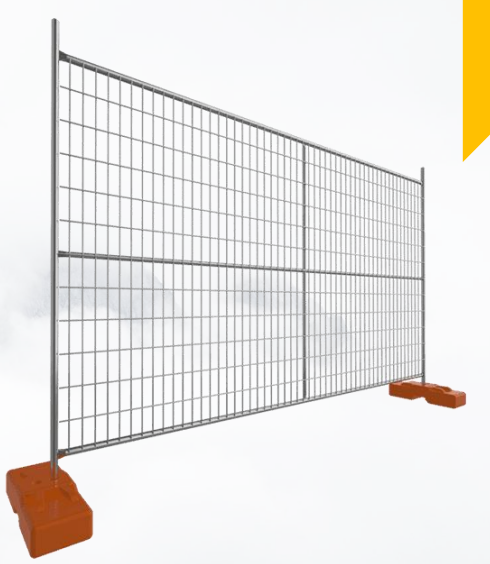
Modernization of Fencing: A Comprehensive Evolution from Primitive Wooden Barriers to Contemporary Metal Fencing
Introduction: In recent years, there has been a notable trend towards the modernization of fencing systems, with property owners increasingly opting for contemporary metal fences over traditional wooden barriers. This shift represents a significant evolution in the field of fencing, driven by advancements in materials, design, and construction techniques. In this news report, we explore the journey of fencing from its primitive origins to the sleek and durable metal fences of today, while highlighting the various advantages conferred by this transition.
Origins of Fencing: Fencing, as a means of demarcating boundaries and providing security, has ancient origins dating back to early human civilizations. The earliest forms of fencing were simple wooden barriers erected by ancient societies to protect their settlements, crops, and livestock from external threats. These primitive fences, while effective at the time, lacked the durability, security, and aesthetic appeal of modern fencing systems.
Transition to Conventional Wooden Fences: As human societies evolved and agricultural practices became more widespread, there arose a need for more robust and durable fencing solutions. This led to the transition from primitive wooden barriers to conventional wooden fences, constructed from treated lumber or hardwoods such as oak and cedar. Conventional wooden fences offered greater longevity, structural integrity, and security compared to their primitive counterparts. However, they still required regular maintenance to prevent decay, rot, and insect damage.
Emergence of Modern Metal Fencing: The emergence of modern metal fencing marked a significant milestone in the evolution of fencing technology. Unlike wooden fences, which are susceptible to weathering and deterioration, metal fences are engineered to withstand the elements and maintain their integrity over time. Various metals, including steel, aluminum, wrought iron, and galvanized steel, are utilized in the construction of modern metal fences, each offering unique advantages in terms of strength, corrosion resistance, and design flexibility.
Advantages of Contemporary Metal Fencing: The adoption of contemporary metal fencing has brought about a host of advantages for property owners, including:
-
Enhanced Security: Metal fences provide superior security and deterrence compared to wooden fences, thanks to their robust construction and formidable appearance. Features such as anti-climb spikes and pointed finials further enhance perimeter protection and prevent unauthorized access.
-
Longevity and Durability: Modern metal fences are engineered to withstand the rigors of the environment and maintain their structural integrity over time. Steel and aluminum fences, in particular, are renowned for their corrosion resistance and minimal maintenance requirements.
-
Design Versatility: Metal fences offer unparalleled design versatility, allowing property owners to customize their fences to complement the architectural style and landscaping of their premises. From ornamental wrought iron to sleek aluminum designs, the options are virtually limitless.
-
Environmental Sustainability: Metal fencing is inherently more sustainable than wooden fencing due to its longevity, recyclability, and minimal environmental impact. Steel and aluminum fences are manufactured from recycled materials and can be recycled indefinitely at the end of their service life, reducing waste generation and conserving natural resources.
Conclusion: In conclusion, the modernization of fencing represents a significant evolution in the field of property security and boundary demarcation. The transition from primitive wooden barriers to contemporary metal fencing has brought about numerous advantages for property owners, including enhanced security, longevity, design versatility, and environmental sustainability. As the demand for modern fencing solutions continues to grow, it is expected that metal fencing will remain at the forefront of the industry, offering innovative solutions to meet the evolving needs of property owners worldwide.
Analyzing the Use of Metal Fencing: Advantages, Applications, and Considerations
Evolution of Modern Fencing: Transition from Primitive Wooden Fences to Contemporary Metal Fencing
Related Article