
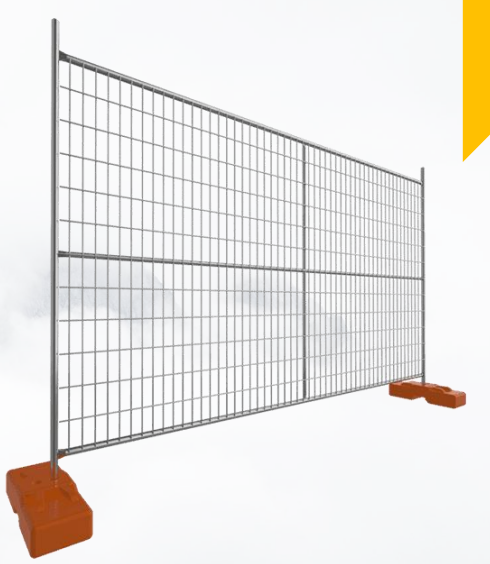
Evolution of Modern Fencing: Transition from Primitive Wooden Fences to Contemporary Metal Fencing
Fencing, once a rudimentary means of demarcating boundaries and securing property, has evolved into a sophisticated system characterized by a variety of materials, designs, and functionalities. From its humble origins as wooden barriers erected by early civilizations to the sleek and durable metal fences of today, the evolution of fencing represents a testament to human ingenuity and the quest for efficiency, security, and aesthetic appeal. In this comprehensive exploration, we delve into the historical trajectory of fencing, tracing its evolution from primitive wooden fences to contemporary metal fencing, while elucidating the myriad advantages conferred by this paradigm shift.
Origins of Fencing:
The origins of fencing can be traced back to ancient civilizations such as Mesopotamia, Egypt, and China, where wooden barriers were erected to delineate property boundaries, protect crops from foraging animals, and fortify settlements against intruders. Early fences were typically constructed from locally available materials such as timber, branches, and woven reeds, offering rudimentary protection and containment. While effective at a basic level, these primitive fences were susceptible to decay, damage, and circumvention, necessitating ongoing maintenance and reinforcement.
Transition to Conventional Wooden Fences:
The transition from primitive wooden barriers to conventional wooden fences marked a significant milestone in the evolution of fencing. This shift, which gained momentum during the Middle Ages and the early modern period, was driven by the need for more robust and durable enclosure systems to support agricultural expansion, livestock management, and urban development. Conventional wooden fences, constructed from treated lumber or hardwoods such as oak and cedar, offered several advantages over their primitive counterparts, including increased longevity, greater structural integrity, and enhanced aesthetics. However, these fences still required regular maintenance to prevent rot, warping, and termite damage.
Emergence of Modern Metal Fencing:
The advent of modern metal fencing revolutionized the field of fencing, ushering in an era of unprecedented durability, versatility, and aesthetic appeal. Unlike wooden fences, which are susceptible to weathering, rot, and insect infestation, metal fences are engineered to withstand the elements and maintain their integrity over time. Various metals, including steel, aluminum, wrought iron, and galvanized steel, are utilized in the construction of modern metal fences, each offering unique advantages in terms of strength, corrosion resistance, and design flexibility.
Advantages of Contemporary Metal Fencing:
The adoption of contemporary metal fencing has conferred a myriad of advantages upon property owners, spanning security, longevity, and design versatility.
Enhanced Security:
Metal fences provide superior security and deterrence compared to their wooden counterparts, thanks to their robust construction, impenetrability, and formidable appearance. Metal fences can be customized with features such as anti-climb spikes, pointed finials, and integrated security systems to further enhance perimeter protection and prevent unauthorized access. Additionally, metal fences offer clear visibility, allowing property owners to monitor activities outside their premises and deter potential intruders effectively.
Longevity and Durability:
One of the most significant advantages of metal fencing is its exceptional longevity and durability. Unlike wooden fences, which are susceptible to decay, rot, and insect damage, metal fences are engineered to withstand the rigors of the environment and maintain their structural integrity over time. Steel and aluminum fences are particularly renowned for their corrosion resistance, making them ideal for coastal and humid climates where moisture exposure is a concern. Additionally, metal fences require minimal maintenance compared to wooden fences, saving property owners time and money in the long run.
Design Versatility and Aesthetic Appeal:
Contemporary metal fencing offers unparalleled design versatility and aesthetic appeal, allowing property owners to customize their fences to complement the architectural style and landscaping of their premises. Metal fences are available in a wide range of styles, including ornamental wrought iron, sleek aluminum, and modern steel, each offering unique aesthetics and design elements. Additionally, metal fences can be powder-coated or painted in a variety of colors to match existing structures or create visual contrast for enhanced curb appeal.
Environmental Sustainability:
Metal fencing is inherently more sustainable than wooden fencing due to its longevity, recyclability, and minimal environmental impact. Steel and aluminum fences are manufactured from recycled materials and can be recycled indefinitely at the end of their service life, reducing the demand for virgin resources and minimizing waste generation. Additionally, metal fences require fewer raw materials and energy inputs compared to wooden fences, further reducing their environmental footprint and contributing to overall sustainability efforts.
Conclusion:
In conclusion, the evolution of fencing from primitive wooden barriers to contemporary metal fencing represents a transformative journey characterized by innovation, durability, and design versatility. The transition from conventional wooden fences to metal fences has ushered in a new era of security, longevity, and aesthetic appeal, positioning metal fencing as the preferred choice for property owners seeking to enhance their perimeter protection and elevate the visual aesthetics of their premises. As technology continues to advance and societal preferences evolve, it is imperative for fencing manufacturers and designers to embrace sustainable practices and innovative solutions that meet the evolving needs of property owners while minimizing environmental impact.
Modernization of Fencing: A Comprehensive Evolution from Primitive Wooden Barriers to Contemporary Metal Fencing
The Production Process of Chain Link Fences
Related Article