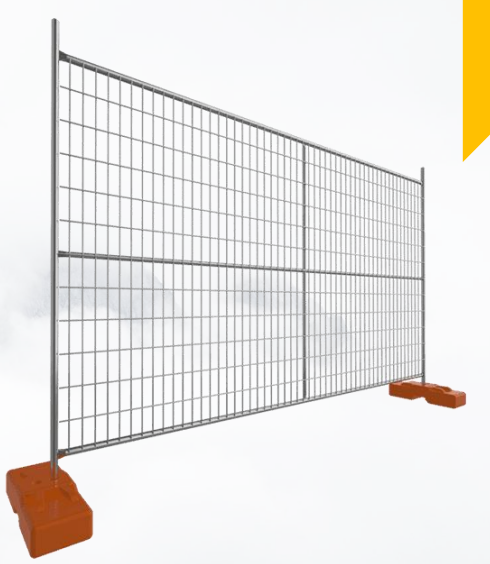
The Efficacy and Implementation of Anti-Climb Fences: A Comprehensive Analysis

Design Features:
Anti-climb fences are characterized by specific design features that contribute to their effectiveness. These features include:
-
High Perimeter Height: Anti-climb fences are typically taller than standard fences, creating a formidable barrier that discourages individuals from attempting to climb over.
-
Anti-Climb Toppings: Various anti-climb toppings such as rotating spikes, angled barriers, or concertina wire are often added to the fence to further discourage climbing attempts.
-
Minimal Handholds and Toe Holds: The design minimizes the availability of handholds and toe holds, making it challenging for individuals to find stable points for climbing.
-
Strong and Durable Materials: These fences are constructed using durable materials such as steel or aluminum, ensuring longevity and resistance against tampering.
Applications:
Anti-climb fences find applications in a diverse range of environments, including:
-
Critical Infrastructure Protection: Facilities such as power plants, telecommunication centers, and water treatment plants use anti-climb fences to safeguard critical infrastructure.
-
Correctional Facilities: Prisons and detention centers deploy anti-climb fences to enhance security and prevent escapes.
-
Military Installations: Military bases utilize anti-climb fences to secure sensitive areas and protect against unauthorized access.
-
Commercial and Industrial Facilities: Warehouses, factories, and corporate offices employ anti-climb fences to safeguard valuable assets and sensitive information.
Effectiveness:
The effectiveness of anti-climb fences lies in their ability to act as a strong deterrent and delay intrusion. Some key points include:
-
Deterrence Factor: The intimidating appearance of anti-climb fences discourages potential intruders, reducing the likelihood of security breaches.
-
Delaying Intrusion: Even if an individual attempts to breach the fence, the design features create significant obstacles, buying time for security personnel to respond.
-
Adaptability: Anti-climb fences can be customized based on specific security requirements, allowing for flexibility in implementation across various environments.
Considerations for Implementation:
Implementing anti-climb fences requires careful consideration of several factors:
-
Regulatory Compliance: Ensure that the installation complies with local regulations and standards related to fencing and security measures.
-
Environmental Impact: Assess the environmental impact of the fence installation, considering factors such as wildlife migration and landscape preservation.
-
Integration with Security Systems: Integrate anti-climb fences with other security systems such as surveillance cameras and access control systems for comprehensive security coverage.
-
Regular Maintenance: Periodic maintenance is essential to ensure the continued effectiveness of anti-climb fences. Regular inspections and repairs should be conducted to address wear and tear.
Conclusion:
Anti-climb fences play a crucial role in enhancing security across various sectors by providing a formidable barrier against unauthorized access. The careful consideration of design features, applications, effectiveness, and implementation considerations contributes to the successful deployment of these specialized security measures. As security challenges continue to evolve, anti-climb fences remain a valuable tool in the protection of critical assets and infrastructure.
Chain Link Fences: Combinations, Advantages, and Versatile Applications
Breakthrough in Safety Barriers: Introducing Our New Folding Guardrails
Related Article