
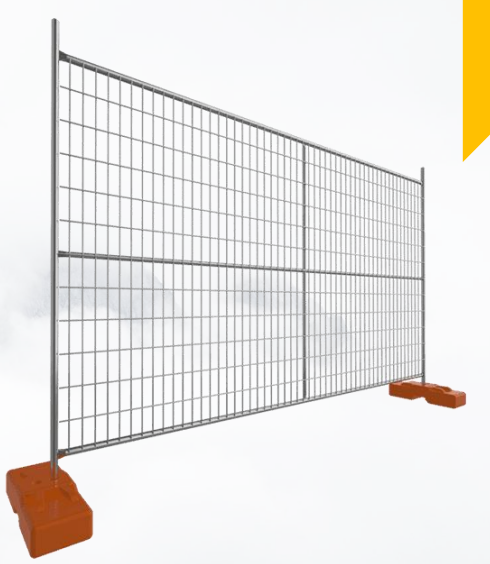
Advantages and Lifespan of Metal and Wooden Fence Panels
Introduction
Fence panels are an essential aspect of any property, providing security, privacy, and aesthetic enhancement. They come in various materials, with metal and wood being the most popular choices. Each material offers unique advantages and has different lifespans, which influence the decision-making process for homeowners and property managers. This article explores the advantages and expected lifespans of various metal and wooden fence panels.
Metal Fence Panels
Advantages
- Durability: Metal fences are known for their exceptional strength and durability. They can withstand harsh weather conditions, including heavy rain, strong winds, and extreme temperatures, making them a long-lasting fencing solution.
- Low Maintenance: Unlike wooden fences, metal fences require minimal maintenance. They do not need regular painting or staining and are resistant to pests and rot. This makes them a cost-effective choice over the long term.
- Security: Metal fences, such as chain link, welded wire, and ornamental steel fences, provide high security. They are difficult to breach, making them ideal for protecting properties.
- Aesthetic Versatility: Metal fences are available in a variety of designs and finishes. Ornamental steel and aluminum fences can enhance the visual appeal of a property while offering robust security.
- Environmental Resistance: Metal fences, especially those made from galvanized steel or aluminum, are resistant to rust and corrosion, making them suitable for humid and coastal environments.
Types of Metal Fences and Their Lifespans
- Chain Link Fences: Made from galvanized or coated steel wire, chain link fences are cost-effective and easy to install. With proper maintenance, they can last between 15 to 20 years or more.
- Welded Wire Fences: Constructed by welding wires at intersections, welded wire fences are strong and stable. They are versatile and can be used in various applications, from agricultural to residential uses. Their lifespan typically ranges from 20 to 30 years, depending on the quality of materials and environmental conditions.
- Ornamental Steel Fences: Offering high security and aesthetic appeal, ornamental steel fences are often coated with powder or paint to prevent rust and corrosion. With proper care, these fences can last 25 to 30 years or more.
- Aluminum Fences: Lightweight, corrosion-resistant, and requiring little to no maintenance, aluminum fences are ideal for humid and coastal areas. They generally last between 20 to 30 years or more.
Wooden Fence Panels
Advantages
- Aesthetic Appeal: Wooden fences provide a natural, warm look that blends seamlessly with various landscape designs. They add a rustic charm and can be customized in different styles and finishes.
- Privacy: Solid wooden panels offer excellent privacy, making them ideal for residential areas. They block noise and provide a sense of seclusion.
- Eco-Friendly: Wood is a renewable resource, making wooden fences an environmentally friendly option. When sourced responsibly, they have a lower carbon footprint compared to synthetic materials.
- Versatility: Wooden fences can be painted, stained, or left to weather naturally. This allows for a wide range of aesthetic options to match any property’s design.
- Easy Repair: Damaged wooden panels can be easily replaced without the need to overhaul the entire fence, making repairs straightforward and cost-effective.
Types of Wood Fences and Their Lifespans
- Cedar Fences: Known for their natural resistance to insects and rot, cedar fences are durable and require less maintenance than other wood types. They typically last between 15 to 20 years.
- Pine Fences: Treated pine fences are resistant to rot and insects, but they may require regular maintenance to extend their lifespan. They generally last between 10 to 15 years.
- Redwood Fences: Redwood is naturally resistant to decay and insects, making it a long-lasting option. With proper care, redwood fences can last 20 to 25 years.
- Composite Wood Fences: Made from a blend of wood fibers and plastic, composite wood fences offer the natural look of wood with enhanced durability. They require minimal maintenance and can last 25 to 30 years or more.
Comparison of Metal and Wooden Fences
Durability and Lifespan
- Metal Fences: Generally more durable and long-lasting than wooden fences. They can withstand extreme weather conditions and are resistant to pests and rot. Metal fences typically have a lifespan of 15 to 30 years or more, depending on the type and maintenance.
- Wooden Fences: While aesthetically pleasing, wooden fences are more susceptible to weather damage, pests, and rot. They require more maintenance to extend their lifespan, which typically ranges from 10 to 25 years, depending on the wood type and care.
Maintenance Requirements
- Metal Fences: Require minimal maintenance, primarily involving occasional cleaning and inspections for rust or damage. Coated metal fences may need recoating every few years to maintain their protective layer.
- Wooden Fences: Require regular maintenance, including painting, staining, sealing, and treating for pests and rot. Regular inspections and repairs are necessary to keep wooden fences in good condition.
Aesthetic and Environmental Impact
- Metal Fences: Offer a modern and industrial look with various design options. They are more environmentally friendly if made from recyclable materials like aluminum.
- Wooden Fences: Provide a natural and rustic appearance that blends well with different landscapes. They are eco-friendly when sourced from sustainable forests and have a lower carbon footprint compared to synthetic materials.
Conclusion
Both metal and wooden fence panels offer unique advantages and have different lifespans. Metal fences are durable, low-maintenance, and provide high security, making them ideal for various applications, including residential, commercial, and industrial uses. Wooden fences offer aesthetic appeal, privacy, and versatility, making them suitable for residential areas where appearance and natural integration are prioritized. Understanding the advantages and expected lifespans of these materials can help homeowners and property managers make informed decisions that best meet their needs and preferences.
Composition, Advantages, and Lifespan of Various Prison Fence Panels
Advantages and Lifespan of Various Metal and Wood Fence Panels
Related Article