
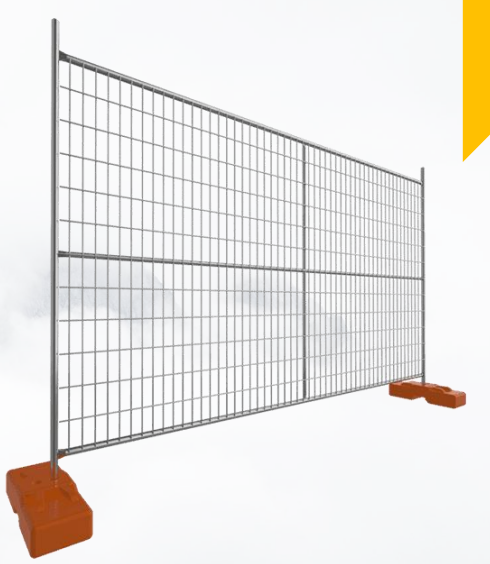
A Comprehensive Guide to Installing Anti-Climb Fencing for Enhanced Security
1. Assessment and Planning:
Before embarking on the installation of an anti-climb fence, conduct a thorough assessment of the site to determine the specific security needs and potential vulnerabilities. Consider the perimeter dimensions, access points, and any unique features that may influence the design and layout of the fence. Develop a detailed plan that includes the type of anti-climb fence, its height, and the placement of gates and access points.
2. Choose the Right Type of Anti-Climb Fence:
Anti-climb fences come in various designs, each with its unique features and level of security. Select the type of anti-climb fence that best suits the requirements of the site. Common options include:
- Mesh Fencing: Mesh panels with small openings that prevent climbing.
- Rotational Anti-Climb Topping: Angled rotating blades or wires at the top of the fence to discourage climbing.
- Rigid Spikes or Razor Wire: Sharp spikes or razor wire installed along the top of the fence for added deterrence.
3. Gather Necessary Materials and Tools:
Ensure you have all the necessary materials and tools for the installation. This may include:
- Anti-climb fence panels: The main components of the fence.
- Posts: Provide structural support for the fence.
- Clamps and fasteners: Securely connect panels to posts.
- Rotational anti-climb topping, if applicable: Additional deterrent features.
- Concrete and anchors: Secure posts into the ground.
- Safety gear: Gloves, safety glasses, and any other protective equipment.
4. Mark and Set Fence Line:
Use markers or stakes to indicate the planned fence line. Ensure the line is straight and aligns with the predetermined layout. This step is crucial for maintaining a uniform and aesthetically pleasing fence.
5. Install Corner and Gate Posts:
Begin by installing corner posts and gate posts at designated locations. These posts provide structural support and stability to the fence. Use a level to ensure posts are straight and plumb. If gates are part of the design, install gate posts to accommodate them.
6. Secure Fence Panels:
Attach anti-climb fence panels to the posts using clamps or fasteners. Ensure that panels are level and securely attached. Leave no gaps between panels to maintain the integrity of the fence. Consider the recommended spacing for the specific type of anti-climb fence being installed.
7. Add Rotational Anti-Climb Topping:
If rotational anti-climb topping is part of the design, carefully install it along the top of the fence panels. Follow manufacturer guidelines for proper installation to ensure its effectiveness as a deterrent.
8. Secure Panels to the Ground:
To prevent attempts to lift or dig under the fence, secure the bottom of the panels to the ground. This can be achieved by using additional anchors or by embedding the lower portion of the panels in concrete.
9. Install Gates and Access Points:
If gates are part of the fence design, install them at designated locations. Ensure that gates are equipped with secure locking mechanisms. Access points should be limited and controlled to maintain the overall security of the fenced area.
10. Test and Inspect:
After the installation is complete, conduct a thorough inspection of the entire anti-climb fence. Test its integrity by applying pressure and attempting to climb. Address any issues immediately, ensuring that all components are secure and functioning as intended.
11. Implement Security Measures:
Consider additional security measures to complement the anti-climb fence, such as surveillance cameras, motion sensors, or security lighting. Integrating these measures enhances the overall security posture of the protected area.
12. Regular Maintenance and Inspection:
To ensure the ongoing effectiveness of the anti-climb fence, establish a routine maintenance and inspection schedule. Regularly check for signs of wear, damage, or attempted breaches. Promptly address any issues to maintain the optimal security of the fenced perimeter.
Conclusion:
Installing an anti-climb fence requires meticulous planning, attention to detail, and adherence to best practices. The effectiveness of the fence in deterring unauthorized access depends on the proper selection of materials, precise installation, and ongoing maintenance. By following these comprehensive instructions, property owners and security professionals can create a robust anti-climb fencing solution that not only enhances security but also provides a visible deterrent against potential intruders. Remember that each site is unique, and customization based on specific security needs is crucial to achieving the desired level of protection.
Understanding the Usage of Welded Wire Mesh: An Overview
The Strategic Benefits of Employing Temporary Fencing Solutions
Related Article